
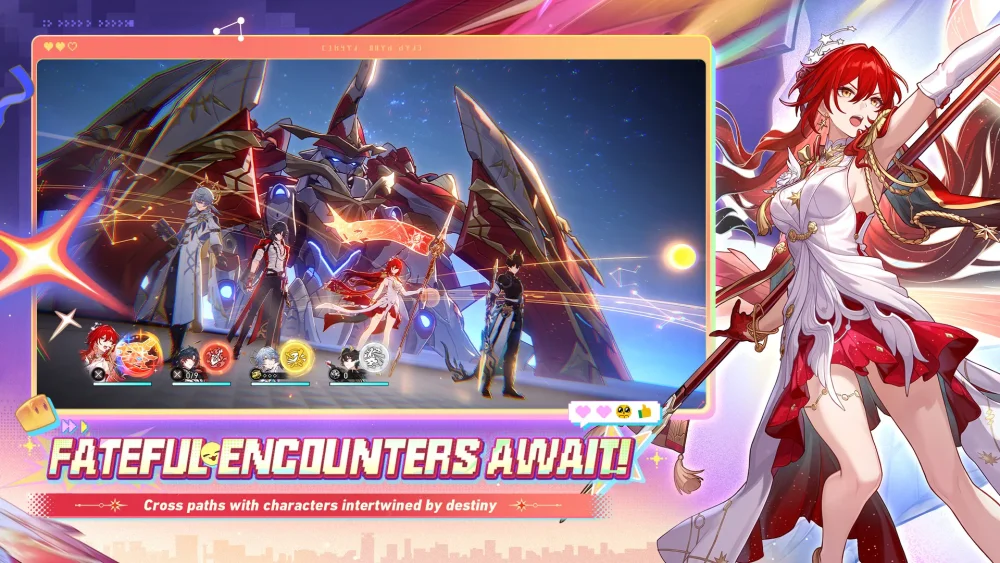
In Honkai: Star Rail, character depth is rarely confined to dialogue boxes and quest logs. The game’s highly stylized short animations, such as "Your End, My Beginning" (あんたの終点、私の始まり), serve as critical narrative pillars that reveal the psychological underpinnings of the game's roster. For dedicated Trailblazers, these shorts are not merely promotional material; they are dense, symbolic maps that foreshadow upcoming narrative conflicts and explain the intrinsic link between a character’s trauma and their mechanical design.
The Significance of Narrative Foreshadowing in Honkai: Star Rail
Narrative foreshadowing in Honkai: Star Rail operates on the principle that a character's past is the blueprint for their future combat performance. When HoYoverse releases a short animation, they are providing a lens through which to view the character's "stasis"—the moment they become defined by a specific regret or loss.
By analyzing these shorts, you gain a competitive edge in understanding the "why" behind the "how." For instance, a character plagued by the memory of a failed defense will often have kits optimized for damage mitigation or sustain, directly mirroring their narrative desire to ensure no one else under their protection falls.
Decoding Symbolic Motifs: The "Phantom Moon Game"
The short animation "Your End, My Beginning" introduces the "Phantom Moon Game" (幻月遊儀) as a central motif. This is not just a dream sequence; it is a manifestation of unresolved trauma. In the context of the game’s lore, this "game" represents a recursive loop of "what-if" scenarios.
- The Cycle of Regret: The motif suggests that the character is trapped in a mental simulation where they constantly re-evaluate a past catastrophe.
- The Weight of Survival: The dialogue—"If you had been the one to survive... you would have done better"—highlights the character’s internal struggle with self-worth and tactical efficacy.
- Visual Cues: Pay close attention to environmental shifts within these animations. When the scenery becomes distorted or ethereal, it signifies a character’s departure from reality and their immersion into a state of high emotional vulnerability, often signaling an impending shift in the main story arc.
The Role of Regret as a Mechanical Driver
One of the most profound aspects of Honkai: Star Rail is how emotional baggage is translated into combat mechanics. Regret is rarely just a story beat; it is a design philosophy.
When a character is driven by survivor’s guilt, their kit often leans into "protective" or "reactive" roles. They are designed to prevent the loss they previously failed to stop. By recognizing this, players can infer a character's role before they even hit the battlefield:
- Reactive Kits: Characters haunted by loss often feature abilities that trigger off-turn or respond to enemy actions, symbolizing their hyper-vigilance.
- Sacrificial Utility: Some characters possess mechanics that favor the team’s survival over their own, reflecting the narrative theme that they would have gladly traded places with those they lost.
- Time-Based Mechanics: Characters obsessed with "changing the past" often have mechanics involving action advances, speed manipulation, or "second life" passives.
Connecting Lore to Strategic Decision-Making
Understanding these narrative threads allows players to make more informed decisions regarding roster investment and team composition.
- Prioritize Investment Based on Arcs: If a short animation highlights a character’s internal growth, that character is likely to remain relevant in future story patches. Investing in them is an investment in a character with long-term narrative utility.
- Anticipating Meta Shifts: Narrative crises often coincide with mechanical power-ups in the story. If a character is moving toward a resolution of their "Phantom Moon Game," expect their later forms or associated equipment to reflect a newfound clarity or power.
- Synergy Mapping: When you understand the psychological profile of a character, you can better pair them with others. A character who is self-sacrificial (narratively) pairs perfectly with a support who can manage their health or shield them, creating a thematic and mechanical harmony that is highly efficient in high-difficulty content like Memory of Chaos.
The "Phantom Moon Game" Cycle as a Strategic Warning
The cyclical nature of the "Phantom Moon Game" serves as a warning of impending vulnerability. In Honkai: Star Rail, when a character is stuck in a loop of regret, they are susceptible to manipulation by the Stellaron or other cosmic entities.
Players should treat these narrative moments as indicators of a character’s susceptibility to "Corruption" or "Regression" within the storyline. If your favorite hero is undergoing a period of intense reflection in an animation, anticipate that they may undergo a significant change in their role or allegiances in the subsequent Trailblaze Mission. Preparing your roster for these narrative shifts ensures you are never caught off-guard when a character’s kit evolves to match their story.
Limitations of Lore-Based Analysis
While narrative analysis provides context, it must be balanced with objective mechanical evaluation. It is a mistake to ignore a character’s mathematical output in favor of their lore significance.
- Performance vs. Personality: A character may be the most compelling figure in the game, but if their multipliers are low or their kit lacks synergy, they will struggle in endgame content.
- Contextual Flexibility: Remember that Honkai: Star Rail is a game of shifting meta-trends. A character’s "tragic" kit might be considered weak today but could become top-tier with the release of a new Relic set or a new support unit that happens to align with their specific mechanical niche.
Conclusion: Elevating Your Experience
Analyzing shorts like "Your End, My Beginning" transforms Honkai: Star Rail from a simple turn-based RPG into a deeply immersive space opera. By deciphering the symbolic motifs of the "Phantom Moon Game" and recognizing the shadow of regret in a character’s kit, you engage with the game on a level that goes far beyond simple stat-crunching.
True mastery of the game comes from the intersection of tactical precision and narrative understanding. When you understand the "why" of a character’s existence, their combat performance becomes more than just numbers on a screen—it becomes the resolution of their struggle, and you, the Trailblazer, are the witness to their journey. Always look for the breadcrumbs left in the animation; they are the keys to unlocking the true potential of your roster.

Free Honkai: Star Rail Codes
Current active codes and how to redeem them.

Michael Smith
Michael covers live-service games, events, reward systems, and efficient daily routines, turning frequent updates into clear actions for players.
COMMUNITY
Player Comments
86 players commented on this guide.
Nice guide. I am checking the other Honkai: Star Rail articles next.
I tried this today and it worked better than my old setup.
Can you add more details about heroes in a future update?
The tips are practical and easy to follow.