
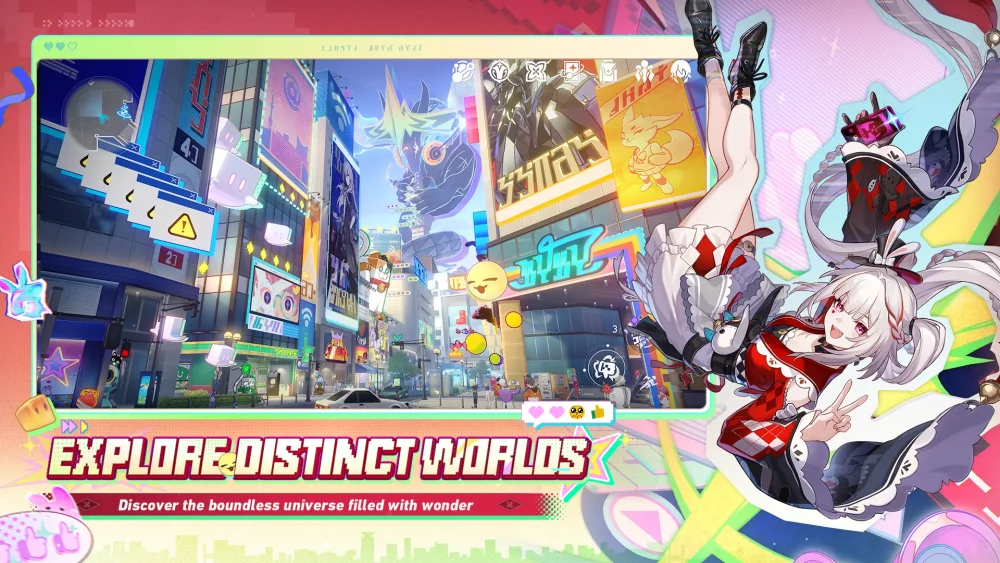
In Honkai: Star Rail, the difference between a character who stays in your active rotation for months and one who gathers dust often comes down to more than just raw damage numbers. While meta-analyses are essential for clearing endgame content like Memory of Chaos or Apocalyptic Shadow, the emotional resonance of a character—frequently brought to life by the nuanced performances of their voice actors—plays a critical role in account satisfaction and long-term engagement. Understanding the motivations and internal conflicts of characters like Aventurine or Jing Yuan through the lens of their voice actors allows you to make more informed, satisfying pull decisions that go beyond simple stat-padding.
The Intersection of Performance and Personality
In a space fantasy RPG like Honkai: Star Rail, character "vibes" are a core component of the gameplay loop. Because you will hear the same voice lines hundreds of times while farming relics or completing daily commissions, the personality of your units is a functional part of the game’s accessibility and enjoyment.
Voice actors (VAs) are often the first to interpret a character's complex lore, translating written dialogue into the subtle shifts in tone that define a character’s identity. When a VA understands the "why" behind a character’s stoicism or their cynical bravado, that performance creates a stronger player connection. This connection is not merely aesthetic; it is a strategic asset that keeps you invested in the character's growth and narrative arc throughout the life of your account.
Case Study: Aventurine and the Complexity of Duality
Aventurine is a prime example of a character whose mechanical utility is deeply intertwined with his psychological complexity. His voice actor often highlights the duality of the character: the high-stakes, flamboyant gambler who uses charisma as armor against deep-seated trauma and vulnerability.
When building a team around Aventurine, it is helpful to view him as more than a "sustain" unit. His voice lines during follow-up attacks are not just auditory cues; they are expressions of his desperate need for control and validation. Players who recognize this internal struggle often find it easier to justify the heavy investment required for his build. By understanding that his defensive barriers are a manifestation of his desire to survive at all costs, the player gains a deeper appreciation for his role as the anchor of any team composition.
Jing Yuan: Stoic Leadership and Tactical Precision
Jing Yuan, the Arbiter-General of the Luofu, represents a different archetype: the embodiment of "still water runs deep." His voice actor frequently emphasizes the character's quiet strength and the weight of the responsibilities he carries. In Honkai: Star Rail, this characterization aligns perfectly with his role as a reliable, consistent damage dealer.
For players, this "General" persona provides a sense of tactical stability. When you utilize Jing Yuan in challenging content, his calm, deliberate voice lines reinforce the precision required to maximize his Lightning-Lord strikes. If you value characters that feel like reliable pillars of your account, Jing Yuan’s consistent, authoritative performance is a perfect match. He is not a character who relies on frantic outbursts; he is a calculated force, and his voice performance mirrors that planning-ahead mentality.
The Strategic Value of "Character Resonance"
When deciding between two high-tier units, it is easy to get caught up in spreadsheet math. However, the most successful players often look for "character resonance." This is the feeling that a character fits your specific playstyle and aesthetic preferences.
Why Voice Performance Matters for Strategy:
- Preventing Character Fatigue: You will repeat combat cycles constantly. Choosing characters with vocal performances that you find rewarding—rather than grating—is essential for avoiding burnout.
- Identifying Narrative Depth: Characters with more complex voice directions often have more "soul," meaning they are less likely to be power-crept in terms of player interest, even if new units eventually surpass their combat stats.
- Interpreting Lore: VAs often reveal insights into a character’s true feelings during emotional story moments, which can help you understand how that character might interact with future teammates or story beats.
Making the Decision: Utility vs. Characterization
When you are deciding whether to pull for a banner, consider these three pillars of evaluation to ensure your resources are spent wisely:
- Mechanical Utility: Does the character fill a gap in your roster? (e.g., an elemental coverage need or a lack of defensive sustain).
- Emotional Resonance: Do the voice actor’s choices and the character’s personality align with your "main" preferences? If you don't enjoy the character's presence, the most "meta" unit will eventually feel like a chore to play.
- Longevity Expectations: Look for characters whose voice work suggests a multifaceted personality. Complex characters tend to remain central to the Honkai: Star Rail narrative, ensuring they remain relevant to the game's evolving world-building.
Avoiding "Meta-Only" Mistakes
A common mistake for newer players is ignoring the "vibe" factor in favor of short-term meta dominance. If you pull a character solely because a tier list ranks them as "SS-Tier," you may find yourself struggling to stay engaged if that character’s personality or voice performance doesn't resonate with you.
Honkai: Star Rail is a long-term investment. The most effective accounts are those that balance the mechanical necessity of pulling for meta units with the personal enjoyment of the characters. By listening to the VA insights and community discussions regarding a character's "soul," you can bypass the "meta trap" and build a team that feels uniquely yours.
Conclusion: Elevating Your Roster
Ultimately, the best Honkai: Star Rail team is one that combines mechanical efficiency with a cast of characters you genuinely respect and enjoy. Whether it is the gambling-addicted vulnerability of Aventurine or the stoic, tactical authority of Jing Yuan, the voice actors provide the essential bridge between lines of code and the characters we fight alongside. By weighing these performances alongside your tactical needs, you ensure that every resource spent on your account leads to a more immersive, rewarding, and sustainable gaming experience.

Free Honkai: Star Rail Codes
Current active codes and how to redeem them.

Emily Johnson
Emily writes practical mobile strategy guides with a focus on resource planning, base progression, and the early decisions that shape a long-term account.
COMMUNITY
Player Comments
115 players commented on this guide.
The explanation is clear, especially for beginners.
The tips are practical and easy to follow.
Nice guide. I am checking the other Honkai: Star Rail articles next.
This helped me understand heroes much better.