
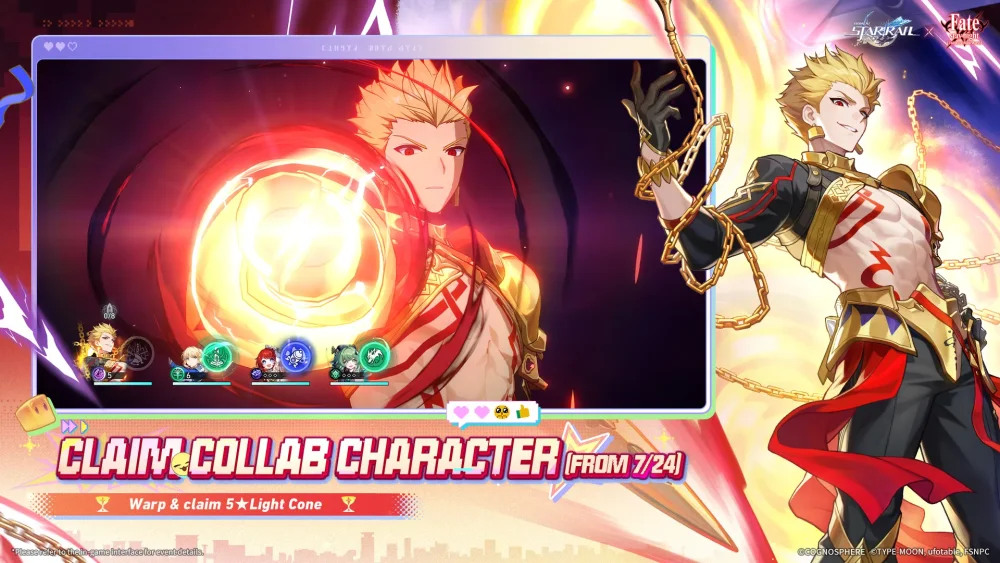
Honkai: Star Rail is a sophisticated space fantasy RPG that demands a tactical mindset. Moving away from the real-time action of other titles, this game centers on deliberate, turn-based decision-making where your preparation often matters more than your reflexes. Whether you are navigating the icy corridors of Jarilo-VI or the high-tech expanse of the Xianzhou Luofu, success hinges on how you manage your resources, deploy your team, and exploit enemy vulnerabilities.
Understanding the Turn-Based Combat Flow
Combat in Honkai: Star Rail is governed by the "Speed" statistic, which dictates the turn order displayed in the Action Bar on the top left of your screen. Because every action costs a turn, the game becomes a complex puzzle of resource management.
The Skill Point Economy
One of the most common mistakes for beginners is ignoring the shared Skill Point (SP) pool.
- Basic Attacks: These are your primary SP generators. Use them when you don’t need to trigger a character’s specific utility.
- Skills: These consume SP to trigger powerful effects. If you use a skill on every character every turn, you will quickly find your team unable to cast life-saving ultimates or shields.
- Strategy: Always plan two or three turns ahead. Identify which character needs to use their skill to maintain a buff or cleanse a debuff, and identify which characters can afford to "ping" the enemy with a basic attack to keep the SP pool healthy.
Maximizing Weakness Break Mechanics
The "Weakness Break" system is the core engine of Honkai: Star Rail’s combat. Every enemy has a white Toughness bar above their HP. Reducing this to zero triggers a "Weakness Break," which delays the enemy's turn and inflicts a significant damage multiplier.
How to Leverage Weakness Breaks:
- Match the Element: Only attacks that match an enemy’s elemental weakness will deplete the Toughness bar.
- The Advantage of Delay: A broken enemy is a non-threatening enemy. By timing your hardest-hitting attacks (or Ultimates) to coincide with an enemy’s break, you can skip their most dangerous phases entirely.
- Team Composition: Build your team with elemental variety. If your team only uses Physical damage, you will hit a "damage wall" against enemies resistant to it. Aim for a roster that can cover at least three different elemental weaknesses.
Strategic Character Investment and Roster Building
In the early game, players often fall into the trap of trying to level every character they pull. This is inefficient. Honkai: Star Rail rewards focused investment.
- The Core Four: Choose four characters to act as your "Main Team." Prioritize one DPS (Damage Dealer), one Sustain (Healer or Shielder), and two versatile Supports (buffers or debuffers).
- Light Cones and Traces: Do not neglect these. A character’s level is only half the story. Light Cones provide massive stat boosts, and upgrading "Traces" (the skill tree) is often more impactful than simply increasing a character's base level.
- Why Supports Outlast DPS: Power creep is a reality in all RPGs. A damage dealer might be replaced by a newer, flashier character, but a top-tier support—like one who provides team-wide speed buffs or damage boosts—will remain relevant for months. Invest heavily in your supports early; they provide the most long-term value to your account.
Managing Trailblaze Power and Daily Objectives
Resource scarcity is your greatest adversary. Trailblaze Power (the stamina system) is finite, and spending it poorly can set your progress back by days.
- Targeted Farming: Only spend Trailblaze Power on the specific materials needed for your current ascension level. Avoid "general farming" until you have finished building your core team.
- Daily Missions: Always clear your daily missions. These are the most consistent source of Stellar Jade and Trailblazer EXP.
- Simulated Universe: Treat this as a priority. It provides high-quality Relics and Herta Bonds, which allow you to acquire powerful, free-to-play Light Cones from the Herta Store.
Avoiding Common Progression Pitfalls
To ensure your journey through the galaxy remains smooth, be wary of these common mistakes:
- Over-investing in Sub-DPS: If you are struggling with content, it is almost always because your sustain unit (healer/shielder) isn't strong enough. A dead team deals zero damage. Prioritize survivability first.
- Ignoring Enemy Data: Before entering a boss fight or a challenge node, check the "Enemy Info" button. If the boss is weak to Lightning and Ice, bring characters of those elements even if they are slightly lower level than your "main" units.
- Hoarding Materials: While you shouldn't waste resources, you shouldn't hoard them to the point of stagnation either. If you are stuck on a story boss, spend your materials to upgrade your main team's gear. Progression in Honkai: Star Rail is cyclical; you need stronger gear to farm better gear.
Final Thoughts: Building for the Long Game
The key to Honkai: Star Rail is recognizing that it is a marathon, not a sprint. By focusing on turn-based mastery—specifically how you manage Skill Points and break enemy Toughness bars—you can overcome challenges that seem impossible on paper.
Build your roster with a focus on elemental coverage, prioritize your supports, and be disciplined with your daily resource allocation. If you follow these essentials, you will find yourself clearing the most difficult content, such as Memory of Chaos and high-level Simulated Universe, with a robust and versatile team that adapts to whatever the Stellaron crisis throws your way. Always look ahead, plan your pulls based on your account's specific needs, and enjoy the journey across the stars.

Free Honkai: Star Rail Codes
Current active codes and how to redeem them.

Emily Johnson
Emily writes practical mobile strategy guides with a focus on resource planning, base progression, and the early decisions that shape a long-term account.
COMMUNITY
Player Comments
50 players commented on this guide.
The tips are practical and easy to follow.
Good guide for Honkai: Star Rail players. The early game part was useful.
Can you add more details about early game in a future update?
This helped me understand early game much better.