
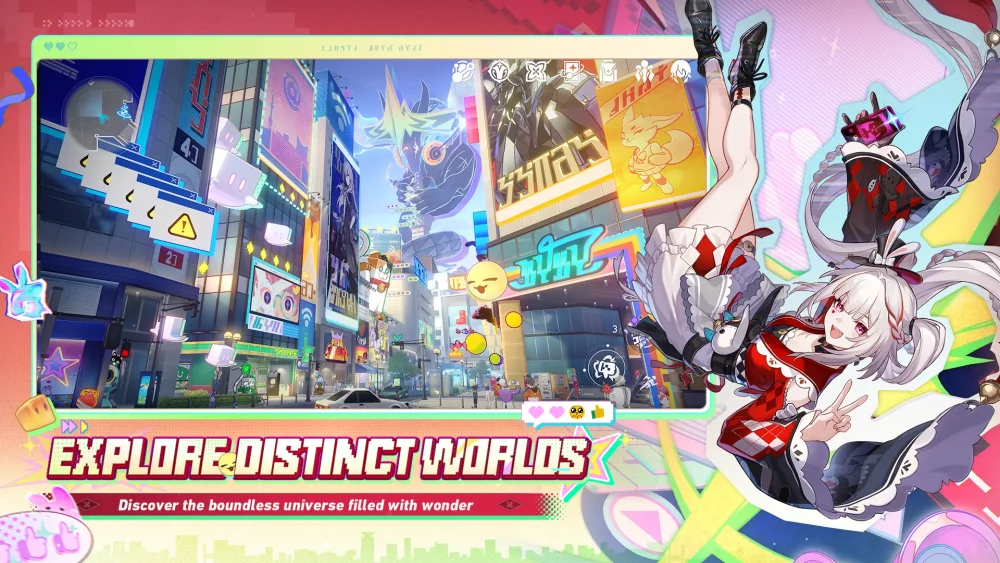
In Honkai: Star Rail, the difference between a casual player and a dedicated Trailblazer often lies in their engagement with the game’s dense narrative tapestry. While the turn-based combat and tactical team building provide the mechanical foundation, it is the game's short animations—such as the evocative "Ripples of Past Reverie" featured in the Version 3.7 era—that provide the emotional anchor. These cinematic pieces serve as essential lore-delivery vehicles, offering insights into character motivations, tragic histories, and the cosmic stakes of the Stellaron crisis that text-based logs cannot fully convey.
Decoding the Narrative Weight of Version 3.7
Animations in Honkai: Star Rail are never merely aesthetic filler; they are sophisticated storytelling devices designed to bridge the gap between gameplay segments. The "Ripples of Past Reverie," featuring the haunting vocals of Cassie Wei from Mili, acts as a primary vessel for conveying the internal struggle of characters like Kyrene.
When you encounter these shorts, treat them as vital data points. They often foreshadow character arcs or reveal psychological burdens that define why a character acts the way they do during the main quest. If you find yourself struggling to relate to a character’s motivations in the main story, returning to these short-form animations often provides the "missing link" in their characterization. By analyzing the intersection of vocal performance and visual symbolism, you can move from simply observing a plot to understanding the thematic foundation of the game’s universe.
The Role of Musical Motifs in Emotional Storytelling
Music in Honkai: Star Rail functions as a narrative shorthand. The composition of "Ripples of Past Reverie" is a masterclass in using sound to mirror the "ripples" of history that plague the characters. For players, this is an invitation to engage with the game on a deeper level:
- Lyrical Analysis: Look for keywords in lyrics that correlate with fragmentation, lost time, or the burden of duty. These lyrics are often written from the perspective of the character, providing a window into their private thoughts.
- Audio-Visual Sync: Pay attention to tempo shifts. A change from a slow, somber melody to a frantic, layered crescendo usually signals a psychological turning point or a realization of trauma within the character’s arc.
- The Composer's Intent: Collaborations with artists like Mili are intentional. The "Mili style"—often characterized by ethereal, melancholic soundscapes—is specifically chosen to emphasize the fragility of the Honkai: Star Rail setting, where entire civilizations can be wiped away by a Stellaron.
Connecting Lore to Character Progression
Understanding the lore presented in these animations fundamentally changes how you play the game. When you recognize the tragedy behind a character’s design, their presence in your party transitions from a simple collection of stats and elemental weaknesses to a narrative choice.
For example, when deploying a unit whose history is steeped in the loss depicted in a short animation, you begin to appreciate the nuance of their idle animations, their ultimate voice lines, and even their combat style. This "thematic synergy" makes the game more rewarding. You aren't just farming for relics; you are empowering characters whose journeys you are personally invested in. This shift in perspective is what elevates Honkai: Star Rail from a standard RPG to an immersive, evolving epic.
Maximizing Narrative Immersion During Events
Short animations frequently debut during major events, acting as a narrative "time capsule." To ensure you don't miss these critical beats, utilize the following strategies:
- Revisit the Archive: Never skip the cinematic logs. The in-game archive is your best tool for re-watching sequences. View them on a high-quality display with audio turned up to catch subtle sound design cues that might be missed on a mobile device.
- Engage with Community Translations: The community often deconstructs lyrics and visual frames for hidden meanings. For tracks like those from the Version 3.7 content, user-created breakdowns often uncover cultural references or lore connections that are easy to overlook.
- Thematic Mapping: Look for recurring symbols across different animations. Water, mirrors, and shifting color palettes often represent the fluidity of memory or the duality of the Trailblazer’s nature. Keeping track of these symbols helps you predict future plot beats.
Why Narrative Engagement Matters for Long-term Players
While banner planning and meta-defining team compositions are essential for clearing end-game content like the Memory of Chaos or Pure Fiction, the true longevity of the Honkai: Star Rail experience lies in its story. Players who engage with the lore through these short animations report significantly higher satisfaction levels because they understand the why behind the what.
When you understand the history of the worlds you traverse and the pain of the companions you meet, major plot twists carry genuine weight. You are not just clicking through dialogue boxes to reach the next boss fight; you are witnessing the resolution of long-standing cosmic conflicts.
Practical Tips for Deep Lore Analysis
- Pause and Observe: Don't hesitate to pause an animation during a visual shift. Honkai: Star Rail developers often hide details—such as specific books in the background, character expressions, or environmental clues—that give context to the current patch's story.
- Cross-Reference with Data Bank: If a term or event is mentioned in a short animation, search for it in your in-game Data Bank. The game’s codex is surprisingly robust and often contains the "historical" explanation for the emotional beats shown in the animations.
- Focus on the "Small" Stories: Often, the most impactful lore isn't about the grand cosmic struggle, but about how that struggle affects the individual. Focus on the personal losses and small victories shown in the shorts; these are the human experiences that ground the sci-fi setting.
Final Thoughts: The Trailblazer’s Perspective
The narrative depth of Honkai: Star Rail is a deliberate design choice that rewards curiosity. By treating short animations like "Ripples of Past Reverie" as essential reading rather than optional content, you unlock a richer experience. The next time you find yourself interacting with new content, look past the objective markers. Ask yourself how the visual and auditory cues change your perception of the protagonist's goals or the threats they face.
This level of engagement transforms the game into more than just a series of combat encounters. It makes you a part of the universe, providing the necessary context to appreciate the development of the crew and the weight of their decisions. In a game defined by the struggle against the unknown, understanding the past is the only way to effectively navigate the future. Stay observant, keep exploring, and never underestimate the story behind the stats.

Free Honkai: Star Rail Codes
Current active codes and how to redeem them.

Michael Smith
Michael covers live-service games, events, reward systems, and efficient daily routines, turning frequent updates into clear actions for players.
COMMUNITY
Player Comments
100 players commented on this guide.
This guide answered the exact question I had.
The tips are practical and easy to follow.
Good guide for Honkai: Star Rail players. The heroes part was useful.
I tried this today and it worked better than my old setup.