
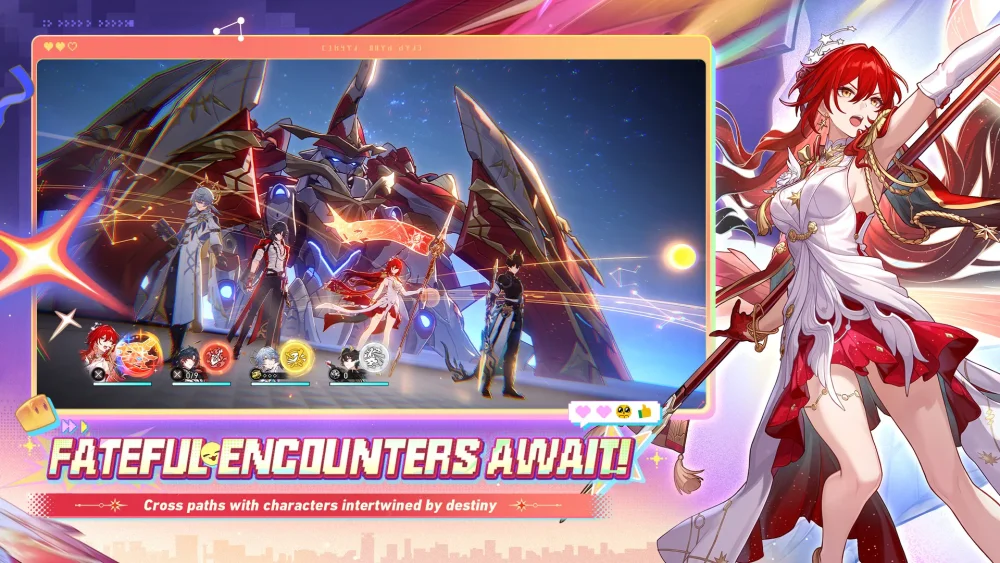
Exploring the narrative depth of Phynon in Honkai: Star Rail involves recognizing the intentional thematic mirroring of legendary archetypes like Gilgamesh. By evaluating his motivations and character design within the "Lost Paradise" content, players can gain a more nuanced appreciation for his role in the Trailblaze Mission. This analysis focuses on the literary and visual cues that connect his identity to historic mythological figures, providing context for his actions and philosophical outlook during the current arc.
Thematic Connections to Gilgamesh
Phynon’s character trajectory in Honkai: Star Rail reflects the classic "King of Heroes" archetype, specifically drawing inspiration from Gilgamesh. The parallels are primarily found in his pride, his relationship with divinity, and his eventual confrontation with the inevitable nature of existence.
- Philosophical Arrogance: Much like Gilgamesh’s early journey, Phynon displays a sense of superiority that borders on divine detachment. This serves as a core motivator for his initial defiance against established cosmic orders.
- The Quest for Immortality: The narrative surrounding Phynon often hints at a desperate search for permanence in a universe defined by transience, mirroring the Epic of Gilgamesh’s search for eternal life.
Visual and Narrative Cues in Lost Paradise
The "Lost Paradise" section of the Trailblaze Mission emphasizes the shift from Phynon's initial presentation to his true, complex nature. Developers use specific visual markers to ground these parallels for the audience.
| Element | Gilgamesh Parallel | Phynon Context |
|---|---|---|
| Pride | Divine right to rule | Belief in his own path despite cosmic consensus |
| Conflict | Struggle against the gods | Resistance against Aeon-governed destinies |
| Legacy | The search for fame | Establishing a mark on the universe post-destruction |
Interpreting Phynon’s Arc
Understanding Phynon requires players to look past the surface-level villainy or antagonism often associated with his faction. His character arc is essentially a tragedy of ego. When observing his cutscenes and dialogue, consider the following:
- The "Daybreak" Motif: The references to "Daybreak" in his dialogue act as a symbolic anchor, representing the hope for a new beginning that ultimately fuels his destructive tendencies.
- Narrative Resolution: His journey does not end in a simple victory or defeat; it ends in the realization that his defiance was perhaps the only way to validate his own existence against the backdrop of an uncaring universe.
By identifying these literary influences, players can better anticipate the emotional beats of the "Lost Paradise" mission and connect more deeply with the overarching lore of Honkai: Star Rail.

Free Honkai: Star Rail Codes
Current active codes and how to redeem them.

James Brown
James focuses on Android gaming on PC, emulator setup, controls, performance tuning, and practical troubleshooting for longer play sessions.
COMMUNITY
Player Comments
78 players commented on this guide.
The tips are practical and easy to follow.
This saved me time in the early game.
I wish I had read this before upgrading the wrong thing.
Nice guide. I am checking the other Honkai: Star Rail articles next.