
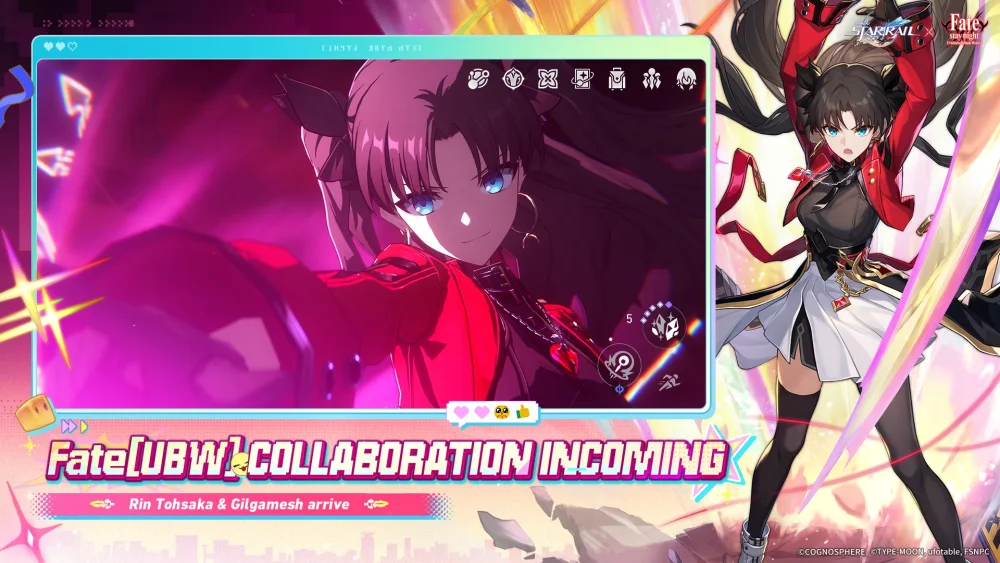
To excel in the "Money Wars" event in Honkai: Star Rail, players must pivot from traditional turn-based combat mindsets to a proactive economic strategy. The core of this challenge lies in managing event-specific currency as a compounding asset rather than a static reward. By treating your resources as a growth engine, you can unlock combat multipliers that render high-difficulty encounters trivial. This guide details the prioritization logic required to dominate the event’s economic systems and maximize your total rewards.
The Economic Foundation: Why Income Beats Combat Stats
The most common mistake players make in Honkai: Star Rail’s Money Wars is prioritizing immediate offensive power at the expense of long-term scaling. While raw damage increases feel satisfying in the short term, they lack the sustainability required for the event's later stages.
In this mode, your goal is to establish a "snowball" effect. By investing your initial currency into Passive Income Upgrades—often labeled as "Interest" or "Revenue Streams" in the event interface—you increase your currency gain per turn. This creates a compounding advantage:
- Early Game: Every credit spent on income generation is an investment in your future purchasing power.
- Mid Game: The increased passive flow allows you to afford higher-tier combat buffs that your opponents simply cannot access.
- Late Game: You reach a threshold where your passive currency generation is so high that you can cycle through combat-ready buffs every single turn, effectively overwhelming the enemies with superior financial firepower.
The Reinvestment Cycle: Never Let Credits Sit Idle
Resource hoarding is the enemy of efficiency. In Money Wars, currency sitting in your wallet is a wasted opportunity. To master this mode, you must adopt a strict "reinvestment" cycle.
The goal is to reach a "break-even" point where your current passive income allows you to purchase the next tier of power-ups every two to three turns. Use this hierarchy when evaluating your shop purchases:
- Passive Income Generators: Always prioritize these until you reach the mid-to-late stage of the event. If a shop offers an upgrade to increase currency gain, take it immediately.
- Cost-Reduction Modifiers: Once your income is stable, focus on modifiers that reduce the cost of future purchases. This effectively grants you a "discount" on endgame power, allowing you to buy more expensive upgrades sooner.
- Combat Multipliers: Only pivot to these once your economy can support recurring costs. Combat buffs should be treated as "expendable assets" that you purchase just before a major difficulty spike.
Managing Wave Progression and Difficulty Spikes
Honkai: Star Rail designs its events to include specific difficulty thresholds where enemy strength spikes significantly. Managing these requires tactical foresight. Instead of brute-forcing waves with low-level characters, use your currency to bypass challenges.
If you know a boss wave is approaching, shift your spending from income generation to "Burst Combat Buffs" exactly one turn before the engagement. By maintaining a high income during easy waves and converting that wealth into combat power during boss encounters, you maintain an aggressive stance without sacrificing long-term efficiency. If you find yourself struggling to clear a wave, it is almost always a sign that you have neglected your economic base rather than a flaw in your character team composition.
Identifying RNG Constraints and Tactical Trade-offs
Money Wars is inherently dependent on the available shop inventory. Because the game utilizes RNG-based drops or rotating store stocks, a "perfect" build is not always possible.
Flexibility is your greatest asset. If the shop fails to offer income-boosting items in the early game, you must be prepared to pivot to combat-focused upgrades sooner than the optimal model suggests. Keep a close eye on the "Time-to-Clear" limitations. If your economy-focused build takes too long to ramp up, you risk failing the event objective due to the turn-based limitations.
- When to abandon the economy: If your health is rapidly depleting and you are within two turns of a boss wave, stop buying passive income and dump all remaining currency into immediate damage and survivability buffs.
- The "Rule of Two": If an upgrade does not provide a noticeable increase in your currency gain within two rounds, avoid it in future runs in favor of more efficient alternatives.
Expert Strategies for Long-Term Success
To truly master the Money Wars event, treat every run as an experiment in optimization. Track which buffs provide the highest return on investment (ROI).
Key Takeaways for Success:
- Don't Over-Specialize: While income is king, a pure income build with zero combat power will eventually be defeated. Maintain a 70/30 split between economy and combat until the final waves.
- Understand Enemy Weaknesses: Money Wars buffs often interact with specific damage types. Always align your purchases with your team’s current Element types to maximize the efficacy of your purchased multipliers.
- The "Compounding" Logic: Calculate your total income potential. If an item costs 100 credits and increases your income by 10 per turn, it pays for itself in 10 turns. If the event lasts longer than 10 turns, the purchase is a net positive.
By prioritizing economic growth, maintaining a strict reinvestment cycle, and timing your power-ups to meet specific wave difficulty, you will consistently outperform the standard progression path. This approach allows you to clear the most challenging tiers of the Money Wars event with ease, turning the game's economic systems into the most powerful weapon in your arsenal.

Free Honkai: Star Rail Codes
Current active codes and how to redeem them.

James Brown
James focuses on Android gaming on PC, emulator setup, controls, performance tuning, and practical troubleshooting for longer play sessions.
COMMUNITY
Player Comments
146 players commented on this guide.
This guide answered the exact question I had.
Nice guide. I am checking the other Honkai: Star Rail articles next.
Good guide for Honkai: Star Rail players. The resources part was useful.
The explanation is clear, especially for beginners.