
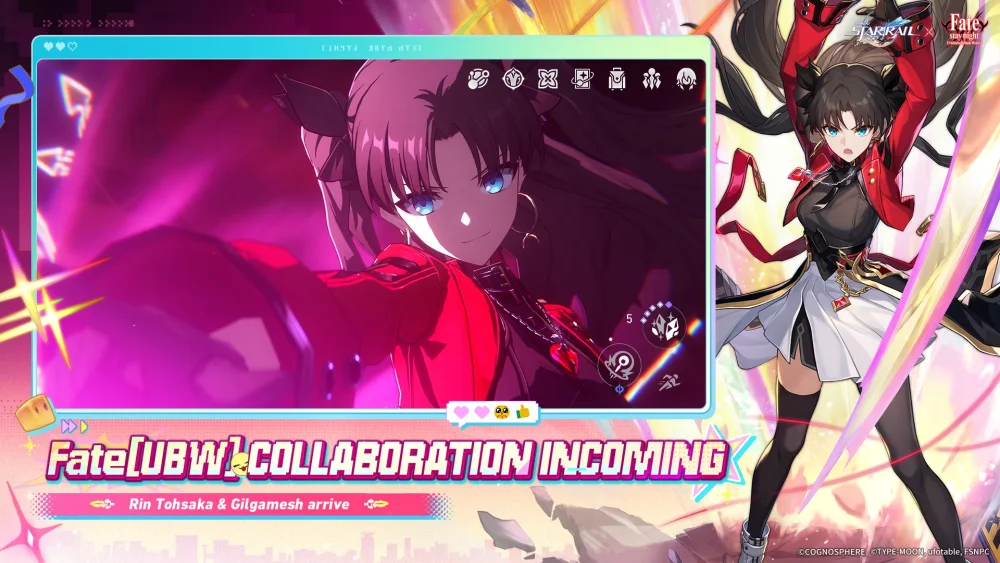
In Honkai: Star Rail, resource management is the single most important skill for long-term account health. As Version 4.5 approaches, players are presented with two of the most impactful units in the game’s current meta: Robin and Aventurine. Whether you are a free-to-play trailblazer or a light spender, choosing between these two depends on your account’s specific needs regarding offensive amplification and defensive sustainability.
This guide provides an expert breakdown of how these characters function, who they best support, and how to determine which unit will provide the highest return on your Stellar Jade investment.
Analyzing the Strategic Value of Robin
Robin is widely considered a "meta-defining" Harmony unit. Her primary function is to provide team-wide offensive buffs that scale with her own stats, making her a plug-and-play support for almost any damage-dealing team.
Why Robin is a Top-Tier Investment:
- The Concerto Mechanic: Robin’s Ultimate, "Vox Harmonique, Opus Cosmique," enters her into the Concerto state, which advances the actions of all allies by 100% and provides a flat damage boost. This is arguably the strongest offensive utility in the game, allowing your team to dump massive damage in a single window.
- Energy Generation: Her kit is designed to cycle her Ultimate frequently. When paired with characters who have frequent follow-up attacks or high-speed rotations, Robin’s energy regeneration becomes self-sustaining, ensuring near-constant uptime for her buffs.
- Versatility: Unlike niche supports that only boost specific elements or damage types, Robin’s buffs are universal. She is equally effective in hyper-carry teams as she is in dual-DPS or follow-up attack archetypes.
The Verdict: Pull for Robin if you find that your teams are struggling to clear Memory of Chaos or Pure Fiction within the required turn counts. If your DPS units are well-built but lack that final "push" to clear elite enemies, Robin is your solution.
Evaluating Aventurine as a Sustain Pillar
Aventurine is a Preservation unit who excels at "offensive sustain." While traditional healers like Huohuo or Lynx focus on restoring lost HP, Aventurine prevents damage from ever occurring through his high-frequency shielding.
Why Aventurine is a Sustain Pillar:
- Proactive Mitigation: His Skill provides a stackable shield that is refreshed and strengthened through his follow-up attacks. This makes him nearly impossible to drain in sustained combat, as he generates shields faster than most enemies can break them.
- Sub-DPS Potential: Aventurine scales purely off of Defense, meaning you can build him to be exceptionally tanky while still contributing significant Imaginary damage. In high-level endgame content, this extra chip damage is often the difference between a 0-cycle clear and a failure.
- Debuff Resistance: His ability to grant Effect RES to the party is invaluable in boss fights where crowd control (CC) can lead to a cascading failure of your team rotation.
The Verdict: Pull for Aventurine if your current sustain units (like Gepard or March 7th) are failing to keep your team alive, or if you are running a follow-up attack team (such as those centered around Dr. Ratio or Topaz). His synergy with follow-up-heavy teams is unmatched.
Comparing Roles: Who Should You Prioritize?
To make an informed decision, you must look at the "gaps" in your current roster. Use the following decision matrix to evaluate your account:
| Priority | If you have... | Prioritize |
|---|---|---|
| Offensive Gap | Strong sustain, but low damage | Robin |
| Defensive Gap | High damage, but frequent deaths | Aventurine |
| Follow-up Synergy | Dr. Ratio, Topaz, or Feixiao | Aventurine |
| General Utility | Need a support for any team | Robin |
The "Synergy Check"
Before spending, consider your current team compositions. Robin is a "force multiplier"—she makes already good teams incredible. Aventurine is a "foundation piece"—he ensures your team stays on the field. If you are struggling with survival in endgame modes like Apocalyptic Shadow, Aventurine is the objectively better pull. If you are surviving comfortably but hitting "enrage" timers, Robin is mandatory.
Common Mistakes When Pulling on Reruns
Players often fall into the trap of "hype pulling" rather than strategic pulling. Here are the most common errors to avoid:
- Ignoring Pity Thresholds: Never pull on a banner unless you have enough Stellar Jades to hit hard pity (around 160–180 pulls for a guarantee). If you have 50 pulls, you are gambling on luck rather than planning for success.
- Overlooking Eidolons: For both Robin and Aventurine, E0 (zero eidolons) is perfectly capable of clearing all content in Honkai: Star Rail. Do not feel pressured to pull for copies unless you are a veteran player looking to optimize specific speed-running teams.
- Neglecting Light Cones: While characters are important, a character’s performance is often tied to their Light Cone. If you pull a character but have no viable 4-star weapon for them, they will underperform. Always check if you have a suitable F2P-friendly weapon for the character you intend to pull.
Long-term Account Progression
Honkai: Star Rail is a game of shifting metas. However, units that provide fundamental services—Sustain and Harmony—age significantly better than DPS units. Because power creep is inevitable for damage dealers, investing in high-utility supports and tanks like Robin and Aventurine is the most effective way to "future-proof" your account.
By focusing on these units, you are building a stable floor for your account. Once your support and sustain slots are filled by top-tier units, you can then afford to pull for your favorite DPS characters without worrying about whether your team can actually survive or support them. In Version 4.5, both Robin and Aventurine remain at the top of the tier list, ensuring that your investment today will continue to pay dividends in upcoming updates.

Free Honkai: Star Rail Codes
Current active codes and how to redeem them.

Sarah Williams
Sarah specializes in RPG and collection games, explaining team building, character growth, and beginner-friendly ways to avoid expensive early mistakes.
COMMUNITY
Player Comments
149 players commented on this guide.
The tips are practical and easy to follow.
Good guide for Honkai: Star Rail players. The strategy part was useful.
Can you add more details about strategy in a future update?
This saved me time in the early game.