
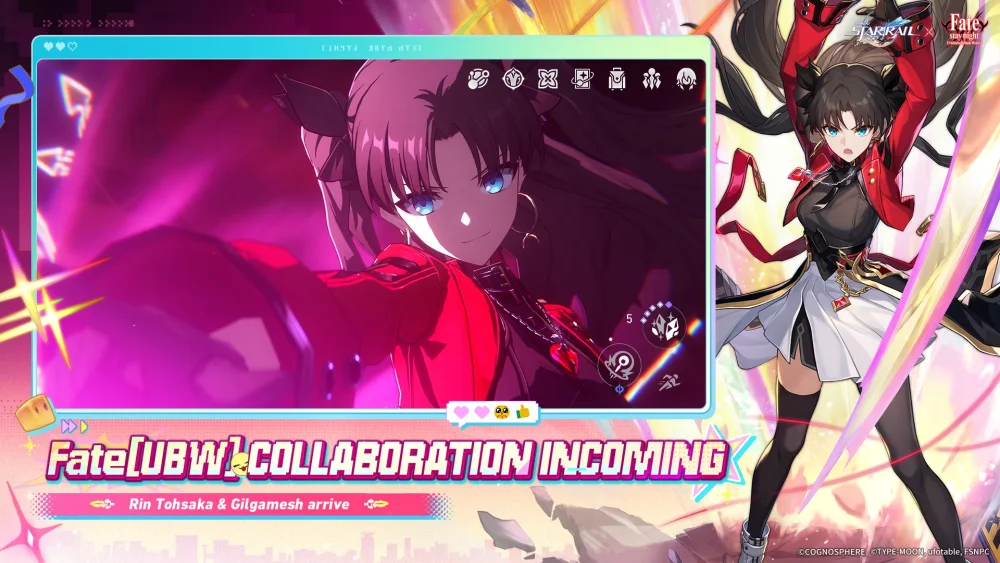
In Honkai: Star Rail, the story extends far beyond the dialogue boxes of the Trailblaze Missions. The game’s frequent release of high-fidelity animated shorts—such as "Hello, World"—functions as a sophisticated narrative tool. These shorts are not merely promotional content; they are essential pieces of lore that provide the subtext for character motivations, ideological shifts, and the overarching cosmic struggle against the Stellaron. By learning to decode the visual language used by HoYoverse, players can gain a deeper appreciation of the narrative stakes, allowing them to predict character trajectories and understand why specific figures receive focus in upcoming updates.
The Mechanics of Visual Storytelling
Honkai: Star Rail rarely relies on heavy-handed exposition to explain character trauma or ambition. Instead, it utilizes visual metaphors. When analyzing an animation, the "mechanics" of the storytelling are found in transition states.
Consider the transition from a place of "past regrets" to a "vision of a newborn future." In cinematic terms, this shift represents a character’s internal resolution. When you see a character moving from a dark, constrained environment into a space flooded with light, you are witnessing the "shedding" of their past identity.
Key Visual Indicators to Watch:
- Lighting Shifts: A transition from warm, nostalgic hues to cool, clinical, or bright, hopeful tones usually signals a change in the character’s allegiance or internal purpose.
- Atmospheric Density: Characters surrounded by clutter or "heavy" visual elements are often trapped by their history. Conversely, characters depicted in open, airy spaces have usually achieved a state of emotional clarity.
- Symbolic Motifs: Look for recurring symbols—water, stars, mirrors, or specific flora—that link a character to their home planet or their Path.
Decoding "Hello, World": A Case Study in Rebirth
The animated short "Hello, World" serves as an archetype for how Honkai: Star Rail communicates growth. The narrative premise—bidding farewell to a beautiful world while looking toward a future of new beginnings—is a foundational theme in the game.
When a character is shown in the act of "looking back," it is a narrative marker indicating that they have reached a point of no return. In the context of the game’s lore, this is the moment a character stops being a victim of their circumstances and becomes an architect of their own destiny. For the player, this is a signal that the character is about to transition from a secondary role to a primary mover in the main plot.
Predicting Character Arcs and Future Stakes
One of the most practical benefits of analyzing these animations is the ability to anticipate narrative beats. If a short emphasizes themes of "no more regrets," it implies that the character has finished their internal conflict. Narratively, this usually precedes a period of high risk.
How to Track Character Progression:
- Identify the "Weight" of the Short: Is the animation melancholic (past-focused) or energetic (future-focused)?
- Connect to the Path: Does the animation reflect the values of the Path they follow? For example, an Erudition character’s animation might focus on the acquisition of knowledge or the solving of a complex puzzle, while a Destruction character’s animation might focus on the physical toll of their conviction.
- Align with the Current Patch: If the animation is released shortly before or during a major version update, the visual cues provided often mirror the "theme" of the new world the Astral Express is visiting.
Thematic Motifs as Narrative Shorthand
Developers use visual shorthand to communicate complex emotional states without dialogue. By deconstructing these motifs, you can better understand the "weight" of a character’s struggle.
- Crying and Rebirth: Tears in Honkai: Star Rail animations are rarely just about sadness; they are often symbolic of a "cleansing" or the pain associated with shedding an old self to accommodate a new reality.
- Light as Guidance: Light serves as a beacon. When a character reaches toward light, it confirms their commitment to their current cause. If they turn away from it, you can expect a darker or more conflicted character arc in the next story chapter.
- The "Stellaron" Shadow: Whenever the influence of a Stellaron is present—even symbolically through visual corruption or interference—the character’s animation will usually feature jagged, rhythmic, or "glitching" movements. This is a visual indicator that the character is under external pressure.
Why Narrative Analysis Matters for Players
You might wonder how analyzing an animation helps your gameplay. While it does not change your combat stats, it fundamentally changes your engagement with the game’s meta-storytelling.
Enhancing Your Player Experience:
- Contextualizing Ultimate Animations: When you understand the narrative arc of a character, their Ultimate animations feel more impactful. You aren’t just pressing a button; you are witnessing the culmination of the character’s emotional journey.
- Informed Investment: Knowing which characters are being positioned as "narrative pillars" helps you decide where to invest your resources. Characters with deep, evolving arcs are more likely to receive recurring screen time and relevance in future story expansions.
- Understanding the Factions: Animating the distinct visual styles of the Stellaron Hunters versus the Astral Express provides essential context for the political and ideological tension in the universe.
Common Mistakes in Narrative Interpretation
A common error players make is assuming that all animations are "canon" in a linear sense. In reality, many shorts are abstract representations of a character’s inner life rather than a literal depiction of an event.
Mistake to Avoid: Don’t treat every symbolic visual as a literal plot point. If a character is shown "shattering" in an animation, it does not mean they are dying; it means their previous belief system is being broken. Focus on the emotional truth of the animation rather than the literal logistics.
Strategic Engagement with Lore
To fully solve the intent behind these shorts, you must combine visual analysis with the in-game archives. Read the character’s lore entries after watching their dedicated animation. You will often find that the text provides the intellectual reason for their struggle, while the animation provides the emotional texture.
By treating these animations as essential chapters in the story of Honkai: Star Rail, you move from being a casual observer to an active participant in the game’s evolving universe. The next time a new short drops, don’t just watch it for the spectacle—look for the shift in light, the change in the character’s gaze, and the symbolic rebirth that signals the next phase of the Trailblaze. This is how you master the narrative depth of the game, ensuring you are always one step ahead in understanding the motivations of the companions you carry into battle.

Free Honkai: Star Rail Codes
Current active codes and how to redeem them.

Sarah Williams
Sarah specializes in RPG and collection games, explaining team building, character growth, and beginner-friendly ways to avoid expensive early mistakes.
COMMUNITY
Player Comments
29 players commented on this guide.
Can you add more details about heroes in a future update?
The explanation is clear, especially for beginners.
Good guide for Honkai: Star Rail players. The heroes part was useful.
I wish I had read this before upgrading the wrong thing.