
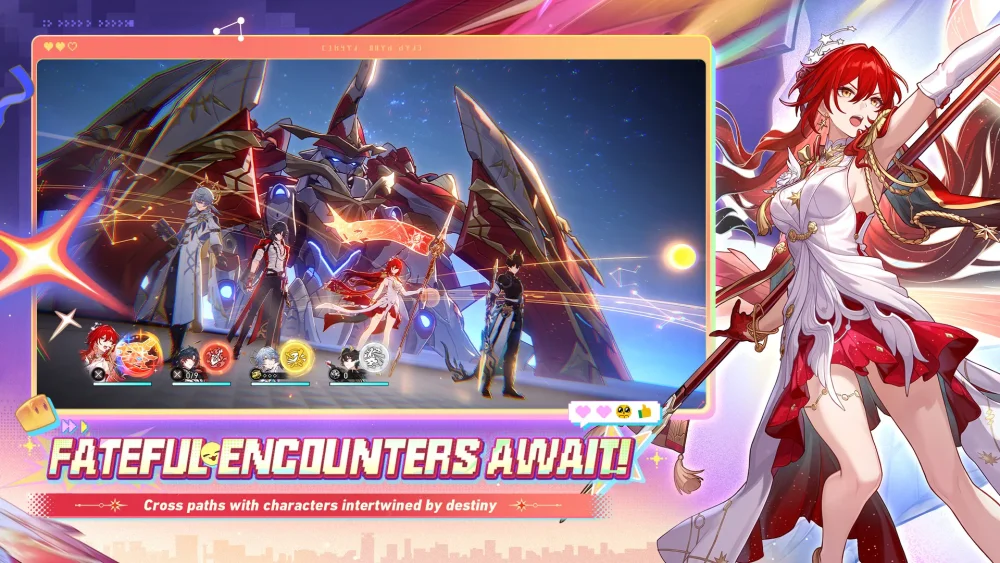
In Honkai: Star Rail, your most valuable resource is not just Stellar Jade—it is your time and the investment required to build a character. Deciding whether to pull on a new banner requires moving beyond the initial marketing blitz and evaluating a character’s true "meta-longevity." To build a sustainable account, players must learn to distinguish between high-utility units that offer lasting impact and niche characters who may be outclassed by the next update’s mechanics.
Understanding the Lifecycle of Hype
The "Hype Cycle" in Honkai: Star Rail is a predictable phenomenon. Upon a new character’s release, community enthusiasm often inflates a unit's perceived value. This is driven by showcase videos, early-access content, and the natural desire for something new. However, a character's initial performance in a vacuum rarely tells the full story of how they will fare in endgame modes like the Memory of Chaos or Pure Fiction two or three patches later.
To avoid the "hype trap," adopt a wait-and-see approach. Allow the initial wave of fervor to subside. Observe how the community’s top theory-crafters evaluate the character after the first week of live usage. If a character’s utility is tied strictly to a narrow gimmick—such as a specific elemental weakness breaking or a single-target buff that doesn't scale with multi-target endgame content—their value is likely to decline as the game’s complexity increases.
The Pitfalls of Niche Specialization
Niche units are often designed to solve a specific, temporary problem in the Honkai: Star Rail meta. While they may dominate a single game mode or boss encounter, they often struggle when the environment shifts. For free-to-play (F2P) and low-spending players, investing in a unit that is highly specialized is a significant risk.
When evaluating a character, ask yourself: "Is this unit a foundation or a luxury?"
- Foundations: These are versatile units (typically Sustain or Support characters) that function across almost every team composition and game mode. Their value remains high regardless of the specific enemies on the field.
- Luxuries: These are highly specialized DPS units or niche sub-DPS characters that require specific team configurations to shine. While powerful, they are easily rendered obsolete when a more efficient or "power-crept" version of their role is released.
Assessing Mechanical Power Creep
Power creep in Honkai: Star Rail rarely happens overnight; it usually arrives through incremental improvements in efficiency. When a character’s influence wanes—much like we have seen with early-game units whose roles were eventually streamlined by newer releases—it is because the game introduced units that provide higher utility with less team-building friction.
When analyzing a kit, focus on these three mechanical pillars:
- Role Consolidation: Does this character combine two roles into one (e.g., a healer who also buffs)? These units almost always have better long-term longevity than single-role characters.
- Team Independence: Does the character function well with a wide range of teammates, or are they "married" to one specific partner? Characters that rely on a single, expensive support unit to be viable are inherently more fragile in the meta.
- Mechanical Footprint: Does the character’s kit rely on numbers that can be easily power-crept, or does it offer unique utility (like action advancement, debuff cleansing, or break-effect manipulation) that remains useful even if their damage output is eventually surpassed?
Strategic Resource Management: The Art of the Skip
The most successful players in Honkai: Star Rail share one trait: the discipline to skip banners. Strategic resource management is about understanding the gaps in your own account rather than reacting to the banner schedule.
Before committing your limited Warps, perform an "Account Audit":
- Elemental Coverage: Are you lacking a strong DPS for a specific element? This is a valid reason to pull.
- Sustain Gaps: Do you have at least two strong, reliable sustain units (Healers/Shielders) for the two teams required in endgame content? If not, prioritize these over DPS units.
- The "Core" Check: Does this character replace an existing unit in your main team, or are they just a side-grade? If they don't significantly improve your ability to clear high-level content, it is often better to save your Jade for a banner that offers a genuine upgrade.
Learning from Community Sentiment Shifts
Community sentiment is a volatile but essential indicator of a character's long-term worth. Early feedback is frequently clouded by emotional bias. However, as the weeks pass, you will notice a "settling" of the discourse.
Watch for these signals in the community:
- Usage Rate Stability: Are high-level players still using this character in the hardest content months after release?
- The "Downfall" Narrative: When a character is frequently discussed in terms of "falling off" or being replaced, take note of the specific reasons why. Is it because they lack damage, or because their mechanics are being countered by new enemy types?
- Synergy Evolution: Sometimes, a character’s value actually increases over time as new support units are released that synergize perfectly with their kit. Look for characters who are "meta-adjacent"—units that might be strong now but are clearly waiting for a specific support partner to reach their full potential.
By maintaining a critical eye and prioritizing your account's specific needs over the temporary excitement of a new banner, you ensure that every Honkai: Star Rail Warp you spend contributes to a more powerful, flexible, and future-proof roster. Remember: the best pull is the one that still feels like a smart investment six months down the road.

Free Honkai: Star Rail Codes
Current active codes and how to redeem them.

Emily Johnson
Emily writes practical mobile strategy guides with a focus on resource planning, base progression, and the early decisions that shape a long-term account.
COMMUNITY
Player Comments
30 players commented on this guide.
Can you add more details about heroes in a future update?
Nice guide. I am checking the other Honkai: Star Rail articles next.
This guide answered the exact question I had.
This saved me time in the early game.