
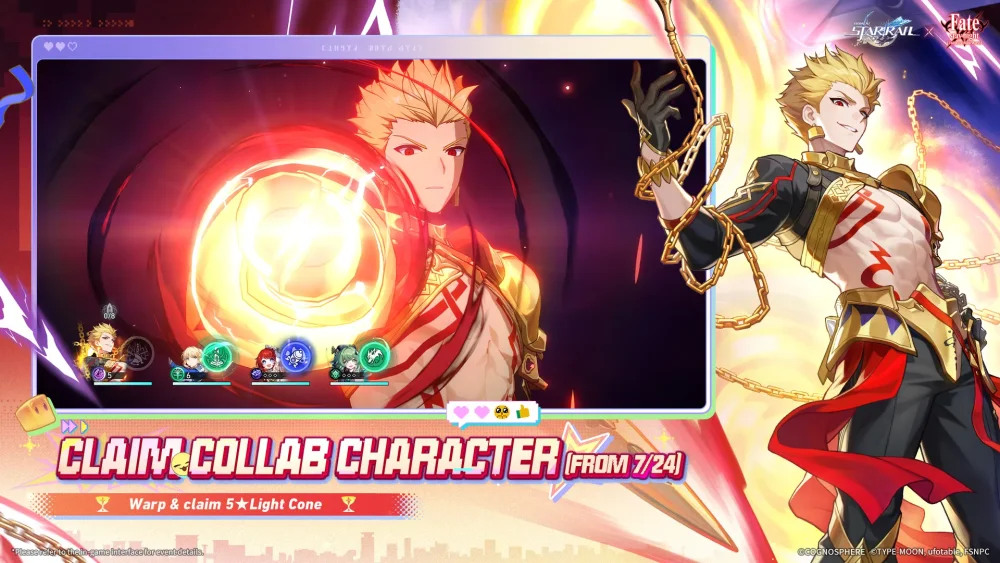
In Honkai: Star Rail, character design and narrative cinematics often transcend simple aesthetic choices, acting as sophisticated visual metaphors that reveal deeper truths about the universe. From the haunting imagery of the "Beyond This Station" promotional material to the specific, cryptic admonitions shared by your companions, the game utilizes a dense layer of symbolism to foreshadow upcoming narrative shifts.
By learning to interpret these motifs—such as the concept of the "final resting place" or the metaphor of a finished painting—players can gain a significant advantage in anticipating emotional stakes, identifying thematic shifts, and preparing for the mechanical challenges that accompany major story beats. This guide breaks down how to read these signs and integrate them into your broader gameplay strategy.
Interpreting Symbolic Journeys and Resting Places
In the vast expanse of the cosmos, the concept of a "final resting place" in Honkai: Star Rail serves as more than just an environmental detail; it is a recurring character motif. When a traveler or NPC speaks of seeking rest, it is rarely a literal desire for sleep. Instead, it signals an internal crisis or the culmination of a long-term goal.
Decoding the Weary Traveler
Characters who fixate on "rest" are often those who have been burdened by the Stellaron’s influence or the weight of their own history. As a player, recognizing this motif helps you identify which characters are nearing a pivotal point in their personal arc.
- The Warning Sign: If a character repeatedly mentions exhaustion or the end of a road, expect a significant boss encounter or a major choice that will define their future.
- Narrative Milestones: View these locations not as static zones, but as narrative thresholds. When the story leads you to a "final resting place," you are usually being prepared for a transition that will fundamentally change the character’s Path or perspective.
The Significance of Artistic and Visual Motifs
Honkai: Star Rail frequently employs the metaphor of a "painting" to describe the unfolding of reality. When trailers or cutscenes reference the "end of the painting," they are signaling the conclusion of a specific narrative sequence or a thematic arc.
Visual Cues to Watch For
The game’s aesthetic is meticulously crafted to communicate tone. Pay close attention to:
- Color Palettes: Shifts from vibrant, high-saturation environments to muted, desaturated, or monochromatic tones are intentional indicators of introspection. When the environment loses its vibrancy, the narrative is shifting toward a philosophical confrontation.
- Compositional Stability: If a cutscene utilizes static, balanced framing, it often denotes a moment of clarity or the "final" decision. Conversely, chaotic, dynamic camerawork often precedes a shift into a new, unknown world or a disruptive story event.
- The "Painting" Metaphor: Treat every zone as a canvas. When the imagery suggests that the "painting" is being completed, you are likely nearing the final act of that world’s Trailblaze Mission.
Connecting Admonitions to Player Objectives
Character admonitions—those cautionary pieces of dialogue delivered by key companions—are functional gameplay guides disguised as flavor text. They are rarely incidental; they are rooted in the character's experience and serve as foreshadowing for the specific mechanical demands of the next major challenge.
Translating Dialogue into Strategy
When a character warns you about the "weight of history" or the "difficulty of the road ahead," consider these practical translations:
- Dialogue Clues: If an NPC expresses urgency, expect high-speed combat scenarios where you need to manage turn order or break bars rapidly.
- Thematic Alignment: If the narrative focus is on "longevity" or "endurance," the upcoming enemies likely rely on attrition tactics. This is your cue to prioritize Preservation or Abundance units that provide shields and sustained healing to survive the encounter.
- Environmental Cues: Background art often reflects the energy types prevalent in the upcoming area. If the art features icy or crystalline motifs, ensure your team’s elemental damage types are prepared to exploit those specific weaknesses.
Strategic Integration: Balancing Narrative and Mechanics
While thematic analysis is a rewarding way to engage with the story, it is vital to avoid "narrative bias." You cannot win battles on interpretation alone; you must balance your curiosity with the practical realities of Honkai: Star Rail gameplay.
Avoiding Common Pitfalls
- Don't Ignore Resource Management: Do not let the emotional weight of a story segment distract you from the necessity of farming Relics or leveling Light Cones. Narrative intuition should supplement, not replace, your preparation.
- Cross-Reference Clues: A narrative hint should be confirmed by game mechanics. If you interpret a theme of "fragility" in the story, check your team’s defensive stats. If they are low, the game is likely signaling that you need to shift your build to accommodate a high-difficulty combat spike.
- The "Long-Term" vs. "Brute-Force" Decision: If the story’s theme focuses on "traveling to the end," it often indicates a multi-phase boss encounter. Brute-force tactics often fail here because the game is intentionally designing the encounter to test your sustainability over time.
Practical Steps for the Engaged Trailblazer
To truly master the narrative landscape of Honkai: Star Rail, follow these steps during your next session:
- Analyze the Opening Cinematic: When entering a new world, pay attention to the lighting and color. Is it hopeful or melancholic? This sets the stage for the combat intensity you will encounter.
- Listen to NPC Admonitions: Take a screenshot or note down when a companion warns you. If they mention "patience," build a team that thrives on energy regeneration and slow, methodical breaking rather than glass-cannon DPS.
- Evaluate Your Path: Does your current team roster match the theme of the world? Sometimes, the game rewards players who align their team’s Path (e.g., Destruction, Hunt, Erudition) with the environmental theme.
- Review Combat Results: If you struggled with a boss, look back at the dialogue that preceded it. Did the characters warn you about "persistence"? If so, you likely lacked the sustain required to survive the encounter's later phases.
By treating the narrative of Honkai: Star Rail as a guide rather than just a story, you transform from a passive observer into a proactive player. This deeper level of engagement ensures that you are not only witnessing the epic journey of the Astral Express but are also expertly prepared for the challenges that lie beyond every station.

Free Honkai: Star Rail Codes
Current active codes and how to redeem them.

Michael Smith
Michael covers live-service games, events, reward systems, and efficient daily routines, turning frequent updates into clear actions for players.
COMMUNITY
Player Comments
35 players commented on this guide.
I tried this today and it worked better than my old setup.
Good guide for Honkai: Star Rail players. The heroes part was useful.
The tips are practical and easy to follow.
Can you add more details about heroes in a future update?