

To survive the punishing world of Hyper Light Drifter, you must embrace an aggressive, high-stakes combat rhythm that mirrors the physical fragility and urgency of the protagonist. Developed by Heart Machine’s Alx Preston, the game is a direct reflection of a life-long battle with heart disease, manifesting as a game where movement is survival. By treating every encounter as a test of spatial awareness and timing rather than a traditional hack-and-slash experience, you can mitigate the game's brutal difficulty. This guide explores the mechanical nuances of Hyper Light Drifter to help you transition from struggling to survive to mastering the dance of its combat.
Mastering the Rhythmic Flow of Combat
The combat in Hyper Light Drifter is fundamentally built around "frantic precision." Because the protagonist is constantly fighting against a failing physical state, the game mechanics reward players who move with absolute purpose. You must treat your dash ability not just as a traversal tool, but as your primary defensive measure.
Staying in one place is the fastest way to trigger a "Game Over" screen. By utilizing the dash to weave between enemy projectiles and closing the distance for melee strikes, you maintain the momentum required to survive. If you find yourself pinned against a wall or surrounded, prioritize dashing toward open space before attempting to re-engage with your sword or energy-based weaponry. The key is to avoid "panic-dashing," which leads to exhaustion and predictable positioning; instead, dash in short, rhythmic bursts that coincide with the enemy’s attack animations.
The Energy Economy: Managing Resource Scarcity
Resource management in Hyper Light Drifter is intentionally restrictive to force you into making high-stakes decisions. Your energy pool is limited, and every shot fired with your ranged weapons depletes it significantly. This creates a constant trade-off: do you conserve energy for a potential escape dash, or do you exhaust your resources to finish off a dangerous enemy?
- Melee Strikes: These are your primary source of energy replenishment. Aggression is rewarded because hitting enemies is the only reliable way to recharge your gun.
- Ranged Attacks: These should be reserved for crowd control, interrupting enemy charges, or picking off weakened enemies from a distance. Avoid spamming shots, as you will quickly find yourself unable to dash away from incoming counter-attacks.
- The Risk/Reward Loop: The game forces you to step into harm's way to refill your energy, reinforcing the theme of a character struggling for survival while pushing their body to the limit. If you are low on health or energy, you must decide if the risk of a melee engagement is worth the potential return of a full energy bar.
Interpreting Visual Cues and Environmental Hazards
The visual design of Hyper Light Drifter serves as a critical gameplay mechanic rather than mere aesthetic. Heart Machine designed the world to communicate danger through color palettes and silhouette shifting. When you enter a new area, pay attention to the lighting and the saturation of the environment; these visual cues often telegraph the intensity of the incoming enemy waves or the presence of hidden traps.
Because the game lacks traditional dialogue, the environment acts as the primary storyteller. The decay and mechanical ruin you traverse are mirrors of the protagonist's internal condition. Recognizing that these visual motifs represent the fragility of life can help you adjust your playstyle; if an area feels claustrophobic or overly dense, anticipate that the combat encounters will be equally cramped and require tight, controlled movements rather than wide, sweeping dashes. Always scan the floor for subtle indicators of incoming hazards, such as glowing tiles or shifting shadows, which often precede devastating environmental attacks.
Adapting to the Game’s High-Stakes Pacing
The pacing of Hyper Light Drifter is designed to be relentless, mirroring the uncertainty of living with a chronic condition. There are few moments of true safety, even in the game's quieter hub areas. To succeed, you must learn to read the "heartbeat" of the combat encounters. Enemies often telegraph their attacks through specific animations; learning these patterns is the difference between a successful run and a swift defeat.
Understand that the game’s difficulty is not meant to be "unfair," but rather a representation of a struggle against overwhelming odds. When you hit a wall, recognize it as a design limitation intended to force you to rethink your approach. If a particular boss or enemy cluster keeps defeating you, stop and analyze the movement pattern. The game rewards players who internalize the rhythm of the screen, allowing you to eventually "dance" through encounters that once seemed impossible.
Tactical Progression and Upgrades
Your progression in Hyper Light Drifter should be dictated by your combat needs. While it is tempting to unlock new weapons immediately, your priority should always be movement and survivability.
- Dash Upgrades: Prioritize the Chain Dash. This is the single most important ability in the game. It allows for sustained, high-speed movement that is essential for surviving late-game boss fights.
- Health Kits: Always maintain a stockpile of health kits. Because you are constantly in the fray, mistakes are inevitable, and your healing capacity is your buffer against the game's high-damage enemies.
- Weapon Specialization: Choose one ranged weapon that complements your playstyle. If you prefer keeping distance, the railgun-style weapons are superior; if you prefer high-risk melee, the shotgun is vital for clearing space when you are surrounded.
Strategic Decision Making: Why It Works
Every mechanic in Hyper Light Drifter—from the dash to the blade—is an extension of the developer's personal narrative. By understanding that the game was built to express the urgency of a life-threatening illness, you can better anticipate the game's demands on your reflexes. The game is not designed for slow, methodical clearing; it is designed for bursts of extreme effort followed by desperate recovery.
- Prioritize Mobility: Always keep moving. A stationary player is a dead player.
- Focus on Pattern Recognition: Since the game is built on precise, rhythmic combat, spend time observing enemy "tells" rather than rushing into damage zones.
- Embrace the Frustration: Use the game's punishing nature to refine your focus. Each death is not a failure, but an opportunity to learn the specific, required timing for that encounter's unique "pulse."
By internalizing these lessons and viewing the game through the lens of its design philosophy, you will find that the difficulty of Hyper Light Drifter becomes a manageable challenge. You aren't just playing a game; you are participating in a rhythmic, desperate, and ultimately rewarding struggle for survival. Focus on the dash, manage your energy reserves with discipline, and listen to the rhythm of the combat to overcome the odds.
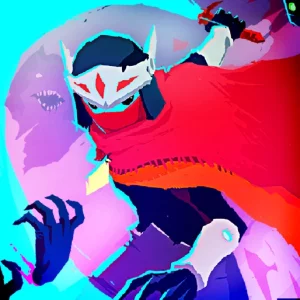
Free Hyper Light Drifter Codes
Current active codes and how to redeem them.

Sarah Williams
Sarah specializes in RPG and collection games, explaining team building, character growth, and beginner-friendly ways to avoid expensive early mistakes.
COMMUNITY
Player Comments
58 players commented on this guide.
This saved me time in the early game.
This guide answered the exact question I had.
Can you add more details about strategy in a future update?
The explanation is clear, especially for beginners.