
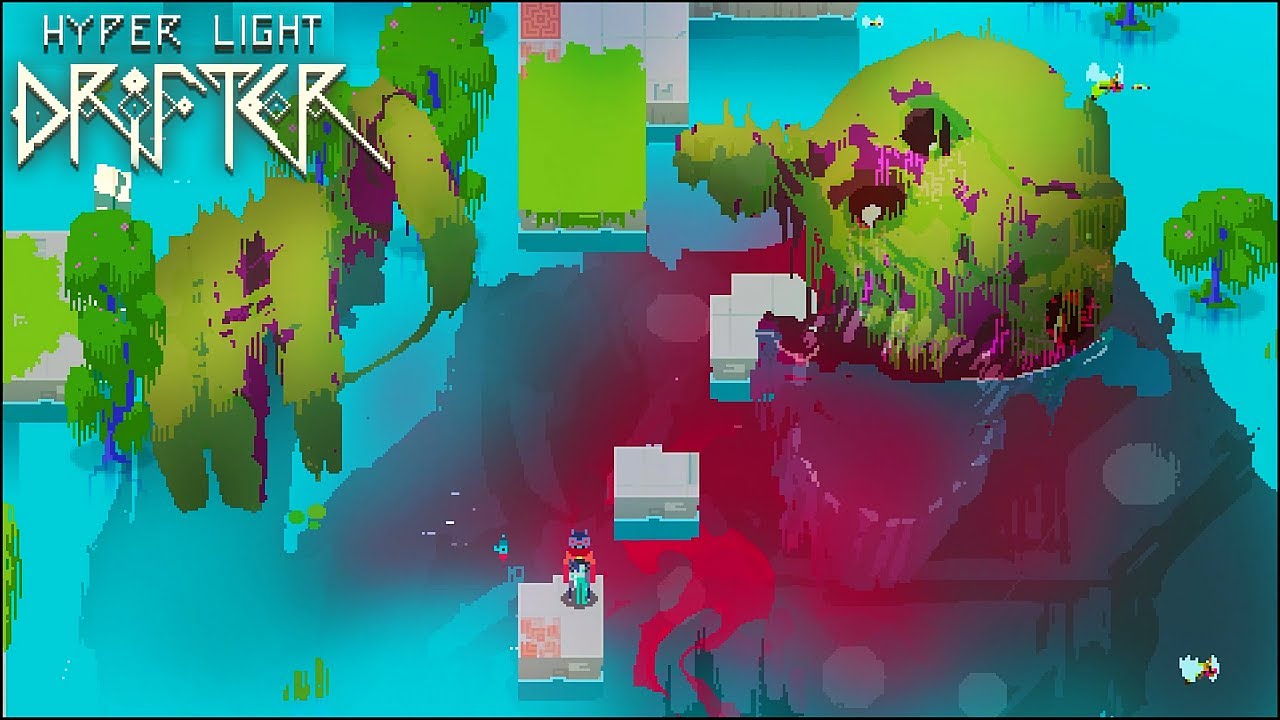
Achieving 100% completion in Hyper Light Drifter is a task that demands more than just mechanical skill; it requires a systematic approach to exploration and resource management. Because the game is non-linear and leaves much of its world design to environmental storytelling, players often find themselves backtracking through hostile territory. This guide provides the strategic framework to clear every zone efficiently, ensuring you secure every module, monolith, key, and outfit without wasted effort.
Understanding the Core Loop: Modules as Progression Currency
Modules are the lifeblood of your progression in Hyper Light Drifter. You need a specific number of modules to unlock the central gates in the hub area, which in turn grant access to the four cardinal zones (North, South, East, and West).
- The Cardinal Rule: Do not treat zones as linear paths to a boss. Instead, treat each zone as a treasure-hunting grid.
- Module Density: Each zone contains a set number of modules. If you reach a boss gate but haven't hit the module threshold for that zone, stop and sweep the map. Look for "dead ends" on your map; in this game, a path that looks like a dead end is almost always a secret area containing a module or a health pack.
- Visual Cues: Pay close attention to subtle shifts in lighting and floor patterns. If a wall looks slightly different or is covered in distinct moss/debris, strike it. Secret rooms in Hyper Light Drifter are frequently hidden behind destructible walls that don't immediately look breakable.
Decoding Monoliths: More Than Just Lore
While monoliths are primarily known for providing the game's cryptic, wordless narrative, they serve a functional purpose for the completionist. They act as "navigation anchors."
- The Connection: Monoliths are almost always placed in areas that require high-level movement skills, such as long-distance dash-chaining or multi-platform navigation. If you find a monolith, look around it carefully—the developer often places a secret chest or a hidden path leading to a module within the same screen or an adjacent room.
- Lore Insight: Translated monoliths reveal the history of the Drifter and the world, but they also provide hints about the specific dangers of a zone. Understanding the lore helps you identify where "technological" secrets (like keys) are more likely to be hidden compared to "organic" secrets (like outfits).
Strategic Resource Management: Keys and Outfits
Keys are the most finite resource in the game. Using them on the wrong door can delay your progress significantly.
- Prioritize Outfits: Always prioritize unlocking doors that contain outfits. Outfits are not just cosmetic; they offer mechanical advantages that change your playstyle. For example, some outfits increase your dash distance, while others decrease the cooldown on your health packs. Before spending a key on a chest, check if there is an outfit room nearby.
- The Shortcut Rule: Use keys to unlock shortcuts that connect the hub to the deep parts of a zone. If you find yourself dying repeatedly to a boss, having a shortcut gate opened will save you several minutes of traversal time, allowing you to get back into the rhythm of the fight much faster.
Mastering Traversal: The Dash-Chain
Efficiency in Hyper Light Drifter is dictated by your movement speed. The dash-chain is the most important mechanic to master for exploration.
- The Chain Rhythm: Practice your dash timing until you can consistently chain dashes without pausing. This isn't just for combat—it is essential for crossing large gaps that hide secret islands.
- Verticality and Scouting: Use the dash to quickly move between vertical platforms, especially in the North zone. From a high vantage point, you can often spot "flickering" or distinct environmental objects that indicate a secret path. If you are struggling to reach a ledge, check if you have an outfit equipped that improves dash capacity; swapping gear can be the difference between reaching a secret and falling into a pit.
Systematic Clearing: The 100% Checklist
Many players miss the 100% mark because they stop searching once the boss is defeated. The game’s world is designed to be fully explored even after the main threats are neutralized.
- The Hub Check: Use the warp points to return to the hub. Check the door panels to see which zone is missing modules.
- Post-Boss Sweeps: Return to the boss arenas and the rooms immediately preceding them. Many secret paths only become accessible or obvious once you have cleared the area of enemies, as the constant combat pressure often causes players to overlook subtle environmental cues.
- The "Border" Strategy: When exploring, hug the edges of the map. Most developers hide secrets in the corners of the screen where the camera is less likely to focus. If you see a faint trail or a light path extending off the edge of the walkable platform, dash toward it—it usually leads to a hidden area.
Common Mistakes to Avoid
- Ignoring Health Packs: Don't hoard them. If you are low on health, find a save point or use a pack. Dying and having to re-clear a room is a major efficiency killer.
- Ignoring Audio Cues: Hyper Light Drifter uses sound to indicate hidden rooms. Keep your volume up; you will often hear a distinct "chime" or sound effect when you are standing near a hidden passage.
- Forgetting to Save: Always save at every checkpoint you find. If you find a secret, save immediately. If you die before reaching a save point, you lose the progress of discovering that secret, which can be incredibly frustrating.
By following this methodical approach—treating zones as grids, prioritizing outfits, and mastering the dash-chain—you will move through Hyper Light Drifter with precision. The game rewards those who pay attention to the environment; stay disciplined, scan every wall, and treat every monolith as a map marker rather than just flavor text.

Free Hyper Light Drifter Codes
Current active codes and how to redeem them.

Sarah Williams
Sarah specializes in RPG and collection games, explaining team building, character growth, and beginner-friendly ways to avoid expensive early mistakes.
COMMUNITY
Player Comments
124 players commented on this guide.
This helped me understand early game much better.
This guide answered the exact question I had.
I tried this today and it worked better than my old setup.
The tips are practical and easy to follow.