
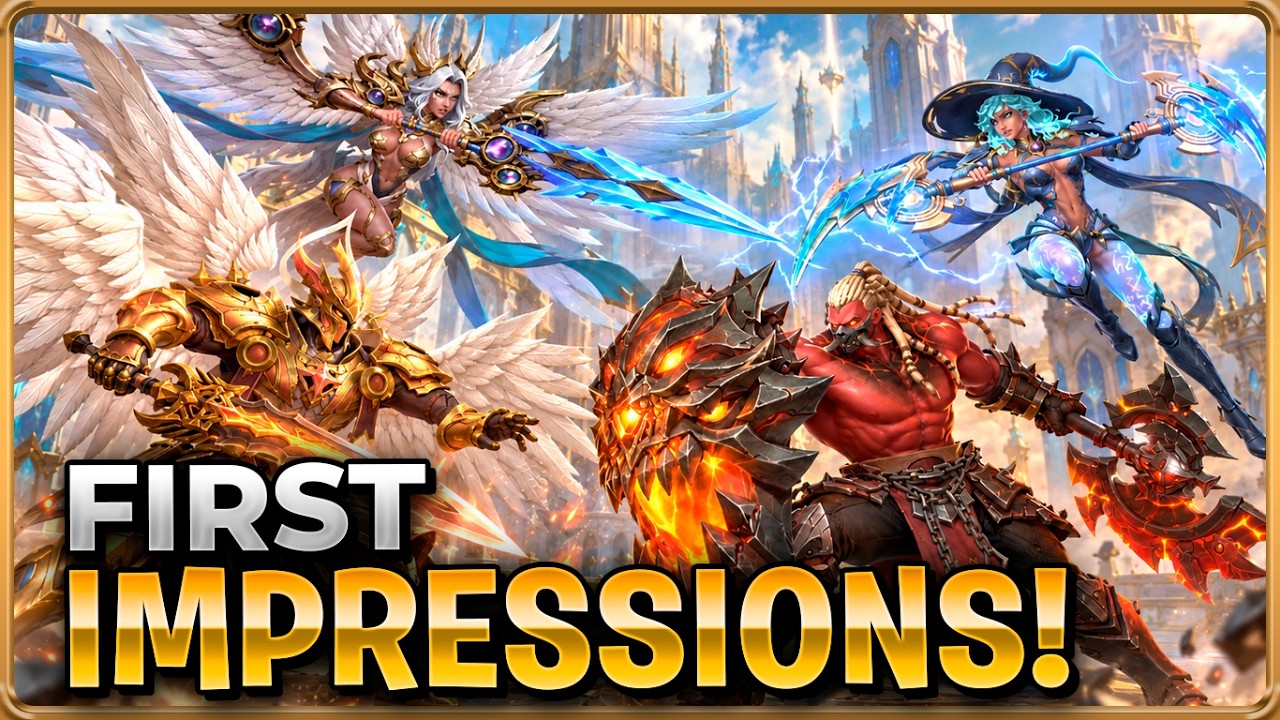
To clear difficult campaign encounters in Invokers: Titan Legacy, deploy durable tanks on the front grid to draw enemy attacks, place fragile damage dealers and supports in the back rows, and trigger Titan summons manually during high-threat enemy phases rather than relying on auto-battle.
Grid Positioning by Role
Standard formations rely on five hero slots. Melee units deployed in forward slots immediately engage opposing front-row units, giving backline allies the uninterrupted uptime required to generate energy for their abilities.
| Hero Archetype | Recommended Grid Position | Primary Combat Role | Tactical Trade-Off |
|---|---|---|---|
| Guardian / Tank | Front Row | Absorbs direct attacks, holds aggro, provides team shields | Suffers high damage; deals minimal damage |
| Warrior / Bruiser | Front or Mid Row | Deals sustained melee damage; acts as secondary off-tank | Vulnerable to clustered enemy burst if unsupported |
| Mage | Back Row | Deals area-of-effect magic damage; applies crowd control | Low defense; vulnerable to enemy flankers |
| Ranger | Back Row | Delivers sustained single-target physical damage | Narrow targeting focus; requires uninterrupted uptime |
| Priest / Support | Mid or Back Row | Restores health, applies shields, cleanses debuffs | Minimal personal damage; team collapses if defeated early |
Frontline Setup
Assign your primary tank to absorb the heaviest direct pressure. If the enemy deployment preview shows high physical damage clustered on one side of the battlefield, place your main Guardian directly across from that cluster to prevent enemies from marching past toward your damage dealers. Adding a secondary Warrior distributes incoming damage, preventing your primary tank from collapsing against concentrated burst.
Backline Setup
Keep Mages, Rangers, and Priests in the rear slots. Support units require safety to cast healing and cleansing spells without interruption. Position single-target Rangers directly across from priority targets to eliminate them quickly, and place area-of-effect Mages centrally to maximize ability coverage across enemy rows.
Timing Titan Summons and Ability Rotations
Attacking and casting hero skills gradually charges the shared Titan energy gauge. While automated combat triggers the Titan as soon as the meter fills, this often wastes massive damage on low-health minions. Take manual control of the summon to disrupt dangerous enemy actions.
- Wait for high-threat phases: Hold the Titan gauge until a boss prepares a channeled ability or an elite reinforcement wave enters the field.
- Apply hero crowd control: Use hero stuns or knockbacks to lock key enemies in place before calling the Titan.
- Trigger the Titan summon: Unleash the Titan to interrupt the enemy attack and deal broad area damage across the field.
- Discharge hero ultimates: Fire your backline Mages' and Rangers' offensive skills immediately after the summon lands to capitalize on disrupted enemies.
Adjusting for Boss Cleaves and Flankers
Static grid layouts fail against specialized enemy mechanics. Check the deployment screen before starting an encounter to counter two common threats:
- Directional boss cleaves: Many bosses use cone attacks aimed at their primary target. When facing a cleaving boss, place your primary tank alone on one edge of the frontline grid and position the rest of your team on the opposite side to keep collateral damage off other units.
- Backline flankers: Certain enemy assassins jump past the front row to strike rear tiles. When flankers appear in the preview, move an off-tank or durable Warrior into the back row next to your Priests and Mages to intercept the dive.
Free Invokers: Titan Legacy Codes
Current active codes and how to redeem them.

Michael Smith
Michael covers live-service games, events, reward systems, and efficient daily routines, turning frequent updates into clear actions for players.
COMMUNITY
Player Comments
48 players commented on this guide.
This guide answered the exact question I had.
I wish I had read this before upgrading the wrong thing.
Can you add more details about strategy in a future update?
This saved me time in the early game.