
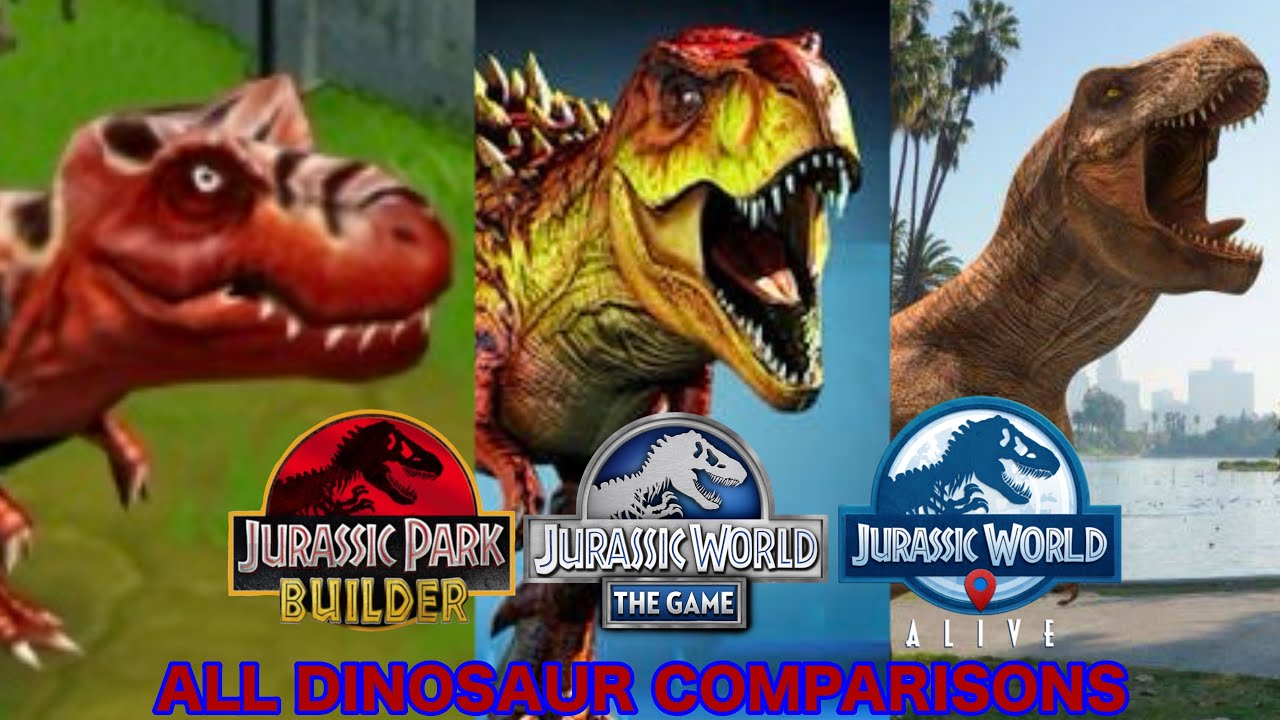
To master your collection in Jurassic World™: The Game, you must treat your park not just as a battleground, but as a living timeline of franchise design. The most effective players balance the nostalgia of legacy creatures—many of which trace their lineage back to earlier mobile titles—with the high-fidelity, complex models of modern hybrids. By understanding the design philosophy behind your dinosaurs, you can make more informed decisions about which creatures to prioritize for both aesthetic appeal and combat efficiency.
Understanding Visual Continuity and Design Lineage
In Jurassic World™: The Game, the visual fidelity of your roster is a testament to the evolution of mobile gaming graphics. Many dinosaurs in your park are refined versions of legacy assets that date back to older titles like Jurassic Park Builder. Recognizing these roots is essential for players aiming to build a cohesive, thematic park.
Modern models in the game feature significantly higher polygon counts, more complex shader textures, and fluid, life-like idle animations compared to their ancestors. When you curate your park, grouping these creatures by "design generation" allows for a more immersive experience. You might create a "Legacy Zone" featuring classic designs to contrast with a "Genetic Innovation" wing housing the latest high-tier hybrids. This approach transforms your island from a random assortment of stats into a curated museum of the franchise’s visual history.
Strategic Value of Legacy Assets
Legacy dinosaurs are more than just nostalgic placeholders; they are the foundational workhorses of your early-to-mid-game progression. These creatures typically have well-established upgrade paths, making them reliable choices for players focusing on resource management before diving into the complex world of hybrid DNA synthesis.
How to Leverage Legacy Creatures:
- Cost-Efficiency: Because legacy dinosaurs are often easier to hatch and evolve, use them to pad your secondary rosters for events or resource gathering.
- Thematic Consistency: If you are building a park based on the original Jurassic Park films, prioritize these legacy models. Their designs are specifically tailored to match the franchise's iconic look.
- Predictable Performance: Since these creatures have been in the game for years, their combat behaviors are well-documented within the community, allowing you to plan your Battle Arena strategies with confidence.
The Impact of Model Complexity on Player Progression
As you advance in Jurassic World™: The Game, the complexity of your dinosaur models serves as a visual indicator of your progress. High-tier hybrids represent the cutting edge of the game’s design technology. Unlike the basic species, these hybrids possess intricate animations—such as unique tail flicks, head tilts, and aggressive idle stances—that make them stand out in any enclosure.
When deciding where to spend your DNA, weigh the "visual payoff" against the functional cost. A high-tier hybrid like an Indominus Rex or Monostegotops provides a significant boost to your park’s prestige and visual impact, while also acting as a powerhouse in the Battle Arena. Balancing your roster between these "spectacle" creatures and the reliable, simpler models is the key to maintaining a park that is both economically efficient and visually stunning.
Distinguishing Between Franchise Titles
It is a common point of confusion for new players to compare the models in Jurassic World™: The Game with those found in other titles like Jurassic World Alive. While both games share the same IP, they utilize vastly different artistic directions.
- Stylization: Jurassic World™: The Game leans into a distinct, slightly exaggerated art style that prioritizes readability on mobile screens, making it easier to identify creature types during fast-paced combat.
- Mechanical Separation: Never assume that a dinosaur’s stats or combat utility in one game will mirror another. Each title is built on unique mechanical frameworks. Focus your research strictly on data provided for this specific game to avoid wasting evolution resources on assumptions derived from other platforms.
Designing Your Roster for Long-Term Success
Your roster is a reflection of your commitment to the game. To maximize long-term value, you should categorize your dinosaurs by their utility and their place in the game's evolution.
Decision-Making Framework for Your Collection:
- Identify Your Goals: Are you building for maximum combat power (favoring hybrids) or for aesthetic collection (favoring legacy species)?
- Evaluate Evolution Costs: Before investing in a new creature, check its evolution path. High-tier creatures often require specific, rarer materials; ensure you aren't neglecting your foundational dinosaurs in the process.
- Assess Combat Synergy: Ensure your roster includes a mix of classes (Herbivore, Carnivore, Amphibian, Pterosaur). A visually stunning collection is only useful if it can hold its own in the Battle Arena.
- Stay Updated: As the developers release new creatures, compare their design quality to your current top-tier units. If a new addition offers both superior combat stats and a more modern visual design, it should jump to the top of your priority list.
Why Design Matters for Your Park’s Economy
Beyond the visual appeal, the design of your dinosaurs dictates how they function within your park’s economy. Complex, high-tier dinosaurs often have unique enclosure requirements and produce higher coin rates. By mastering the balance between legacy creatures and modern, high-complexity hybrids, you optimize your park for both beauty and profit.
Players who ignore the "visual history" of their roster often end up with a disjointed park that feels messy or unorganized. By treating your dinosaur collection as a deliberate curation project, you ensure that every addition—whether it’s a simple legacy model or a groundbreaking new hybrid—serves a specific purpose.
Ultimately, the most successful players in Jurassic World™: The Game are those who treat the game as a comprehensive experience. By understanding the lineage, visual evolution, and mechanical distinctiveness of your creatures, you turn your island into a masterclass of park management. Whether you are a long-term veteran aiming to preserve the classic look of the franchise or a newcomer chasing the latest hybrid designs, your decisions today will shape the legacy of your park for seasons to come. Always check the specific visual and mechanical requirements of a new creature, and never be afraid to prune your roster to make room for the next generation of prehistoric marvels.

Free Jurassic World™: The Game Codes
Current active codes and how to redeem them.

Emily Johnson
Emily writes practical mobile strategy guides with a focus on resource planning, base progression, and the early decisions that shape a long-term account.
COMMUNITY
Player Comments
75 players commented on this guide.
The tips are practical and easy to follow.
The explanation is clear, especially for beginners.
I tried this today and it worked better than my old setup.
Good guide for Jurassic World™: The Game players. The strategy part was useful.