
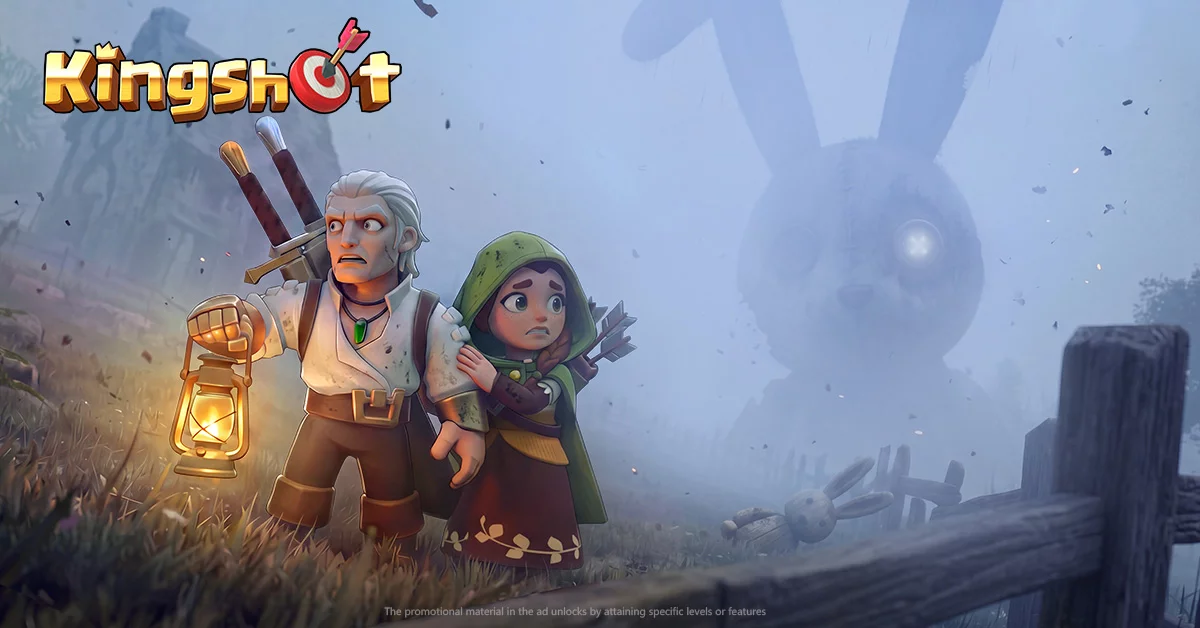
In the idle medieval world of Kingshot, the Fantasy Theater event stands out as a high-variance challenge that tests both your tactical roster and your resource management discipline. While the event promises lucrative rewards, it is fundamentally built on RNG mechanics that can quickly deplete the reserves of even the most seasoned players.
For free-to-play (F2P), low-spenders, and mid-tier spenders, success in the Fantasy Theater isn't about clearing every stage—it is about knowing exactly when to walk away. This guide breaks down the mechanics of the event, the psychological traps to avoid, and the precise mathematical approach to identifying your personal "stop-loss" point.
Understanding the Fantasy Theater Risk Model
The Fantasy Theater in Kingshot operates on a volatile probability model. Unlike standard event shops where currency is traded at a fixed rate for items, the Theater utilizes a randomized board or progression system that creates the illusion of "almost winning."
From an expert perspective, the event is designed to trigger the "Near-Miss Effect." When a player gets close to a high-value reward but fails, the game creates a psychological urge to spend more to "finish" the task. However, because the outcome is determined by RNG, the house retains a significant mathematical edge. To navigate this:
- Acknowledge the Variance: Accept that no amount of strategy can force a favorable roll. The game is designed to encourage impulsive spending.
- The Sunk Cost Fallacy: The most common mistake players make is believing that because they have spent 500 gems, they are "due" for a win. In Kingshot, each pull is independent; past losses do not increase the probability of future success.
- Resource Preservation: Treat your gems and event tickets as your primary combat power. If they are wasted on low-probability event stages, your heroes will fall behind in essential progression metrics like gear upgrades and level caps.
Identifying Optimal Stopping Points
A "stop point" is a pre-determined limit where you cease participation in the event, regardless of how close the next reward appears to be. For Kingshot players, these points should be dictated by your spending tier.
1. The F2P Strategy: The "First-Milestone" Rule
As a free player, your resources are finite. Your goal is to extract the "low-hanging fruit"—the rewards that require the fewest event tokens or gems.
- The Strategy: Participate only until the cost of the next attempt exceeds the value of the items you are guaranteed to receive. If an attempt costs more than the equivalent value of a standard shop item, stop.
- The Exit: Once the "easy" rewards are cleared, stop immediately. Do not attempt to push for the "Grand Prize" unless you have accumulated enough free tickets to guarantee it without dipping into your premium gem reserves.
2. Low-to-Mid Spender Strategy: The ROI Threshold
If you spend a small amount on Kingshot, you must treat your event budget like a business investment.
- The Strategy: Assign a "Hard Cap" to your event budget before you even click the event icon. If your budget is 2,000 gems, that is your absolute limit.
- The Exit: Calculate the Return on Investment (ROI). If the expected value (EV) of the rewards in the next tier is lower than the cost to acquire them, your "stop point" has been reached. Use a simple checklist:
- Does this upgrade a core hero?
- Is this item available in the standard shop for cheaper?
- If the answer is no, stop spending.
Avoiding the "Gacha Trap"
The Fantasy Theater layout is intentionally opaque. It obscures the true probability of success, making it difficult to calculate the "cost per reward." To avoid the trap, follow these three rules:
- The 24-Hour Cool-Down: Never finish your event resources in one sitting. By spreading your participation over the duration of the event, you remove the emotional "tilt" that leads to rage-pulling.
- Visual Limitations: If the event screen is visually overwhelming, it is by design. Focus strictly on the item reward icon, not the animations or the "almost there" progress bar.
- The "Walk Away" Victory: In Kingshot, the most strategic move is often to save your resources for a future event with guaranteed outcomes rather than gambling on the current one. If the RNG feels "cold," stop for the day.
Balancing Investment vs. Account Growth
The Fantasy Theater should never take precedence over your account's core progression. If you are struggling to clear campaign stages or climb the competitive leaderboards in Kingshot, your priority must be:
- Hero Fragments: Are these fragments for a meta-defining hero? If yes, the spending threshold can be slightly higher.
- Progression Materials: Are these essential for breaking a level cap?
- Cosmetics: If the reward is purely aesthetic, it should always be the first item you cut from your budget.
If the Fantasy Theater rewards do not directly contribute to these three areas, the opportunity cost is too high. Always prioritize the "Guaranteed Gain" over the "Randomized Gamble."
Final Verdict: When to Stop
To summarize your approach to the Kingshot Fantasy Theater:
- Stop when you reach your pre-set budget limit. Never exceed your plan, even if you are one pull away from a reward.
- Stop when the cost of a single attempt exceeds the value of the reward.
- Stop when you are acting on emotion (frustration or excitement) rather than logic.
By maintaining this disciplined framework, you ensure that your account remains strong, your reserves stay healthy, and you avoid the common traps hidden within the Fantasy Theater. Remember, in Kingshot, long-term growth is won through consistent, efficient resource allocation, not through chasing high-variance event rewards.

Free Kingshot Codes
Current active codes and how to redeem them.

Emily Johnson
Emily writes practical mobile strategy guides with a focus on resource planning, base progression, and the early decisions that shape a long-term account.
COMMUNITY
Player Comments
29 players commented on this guide.
The explanation is clear, especially for beginners.
Can you add more details about resources in a future update?
This guide answered the exact question I had.
I tried this today and it worked better than my old setup.