
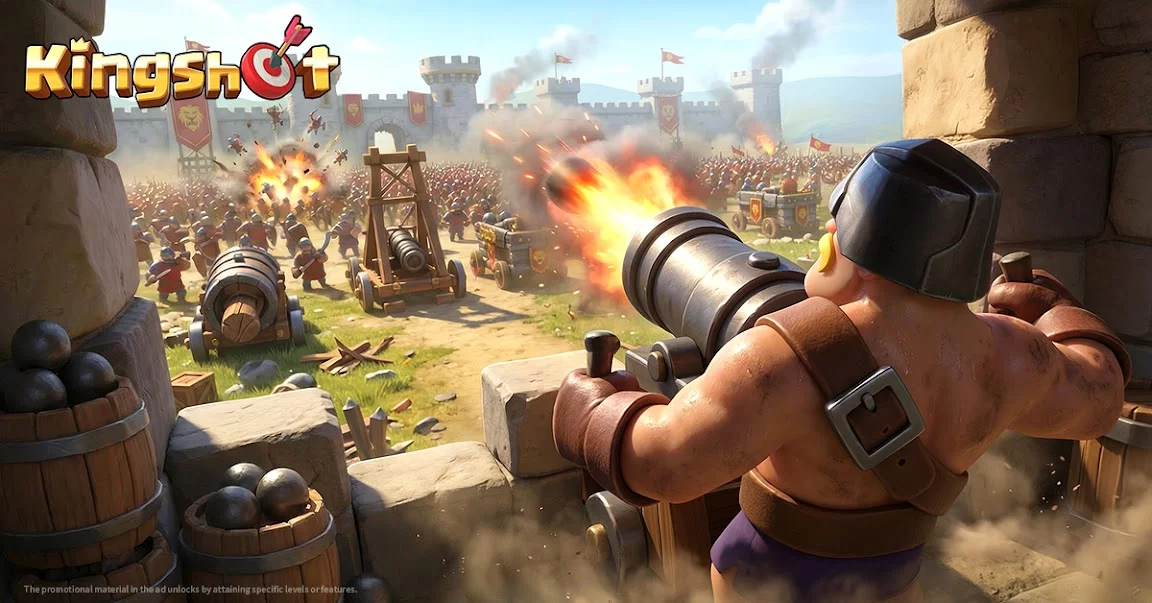
As you reach the Generation 6 era in Kingshot, the game shifts from simple stat-checking to complex, synergy-based tactical warfare. At this stage of the meta, the difference between a top-tier player and a mid-tier struggler is no longer just about raw power—it is about how efficiently you allocate your shards and how perfectly your hero skills layer upon one another.
To succeed in the Gen 6 meta, you must transition away from "generalist" upgrading and move toward a highly specialized "anchor" strategy. This guide breaks down exactly how to prioritize your resources, build unbreakable team synergies, and deploy your forces to dominate the battlefield.
Why Gen 6 Changes Everything: The "Anchor" Strategy
In earlier stages of Kingshot, you could often get away with spreading your resources across several heroes. By the time you reach Gen 6, this approach is a recipe for failure. The power scaling of Gen 6 heroes is exponential rather than linear; they are designed to be the focal point of your entire march.
The "Anchor" strategy dictates that you identify your primary damage dealer and funnel the vast majority of your advancement shards into them immediately. By taking one hero to their maximum potential quickly, you gain a massive power spike that allows you to contribute meaningfully to alliance rallies and hold your own in Kingdom vs. Kingdom (KvK) skirmishes.
Expert Tip: Before committing shards, look for heroes with "Passive Stat Amplification." A hero that provides a permanent 15-20% boost to troop lethality is almost always a better long-term anchor than a hero whose value is tied entirely to a short-lived active skill window.
Master the Synergy Chain
Gen 6 heroes in Kingshot are not intended to be "plug-and-play" units. They function as the engine of a machine, and that machine requires specific parts to run. To optimize your formation, you must look for "Synergy Chains."
Understanding Skill Layering
A Synergy Chain occurs when the debuffs or tactical effects of your secondary and tertiary heroes create the perfect environment for your Gen 6 lead to strike. For example:
- The Debuffer: Identify a support hero who applies a "Defense Break" or "Slow" effect.
- The Enabler: Use a secondary hero that increases critical hit chance or adds a secondary damage tick.
- The Finisher: Your Gen 6 lead, who gains bonus damage against enemies affected by the debuffs applied by the first two slots.
If your Gen 6 lead relies on an enemy having a specific debuff, placing them in a team without that debuff is essentially throwing away 30-40% of your potential damage output. Always review the "Skill Description" tab for every hero and look for keywords that overlap.
Resource Allocation: The 60/30/10 Rule
The scarcity of hero shards in Kingshot is the primary hurdle for F2P and low-spending players. When you reach the Gen 6 tier, you cannot afford to waste resources on secondary projects. Adhere to this allocation hierarchy to ensure your "main march" remains competitive:
- The Primary Anchor (60% of Shards): This is your lead damage dealer. They should be the first to reach maximum skill levels and elite gear tiers. If they aren't fully upgraded, do not move on to other heroes.
- The Core Support (30% of Shards): This hero provides the essential buffs or debuffs required for your anchor to function. They are your second priority.
- The Flex/Situational Slot (10% of Shards): This slot is reserved for utility. Depending on the current meta or the specific enemy you are facing, you might swap this hero for someone with crowd control, healing, or anti-cavalry/anti-marksman passives.
Tactical Deployment and Counter-Play
Even the best Gen 6 hero in Kingshot can be countered if deployed mindlessly. Competitive play requires you to understand the "Rock-Paper-Scissors" nature of the troop types.
Analyzing Battle Reports
After every major engagement, do not just look at the win/loss screen. Open your battle reports and check:
- Damage Distribution: Is your anchor doing at least 50% of the team's total damage? If not, check your gear and hero positioning.
- Targeting Efficiency: Is your Gen 6 hero attacking the enemy's highest-value troop type? If your marksman-based Gen 6 hero is consistently engaging heavy infantry, you are losing potential damage to damage-reduction passives.
Positioning for Victory
In Kingshot, positioning matters. If you are participating in a group rally, coordinate with your alliance members. If you have an anti-cavalry Gen 6 hero, ensure you are the one "leading" the charge against enemy cavalry-heavy formations. Don't waste your specialized Gen 6 hero on a generic, low-threat target just because it's convenient. Save them for the high-value targets where their specific kit can turn the tide of a battle.
Common Mistakes to Avoid
- Spreading Resources Thin: Do not try to build two "main" marches at once. You will end up with two weak teams that lose to a single, hyper-invested Gen 6 squad.
- Ignoring Gear Synergy: Hero skills are only half the equation. Ensure your gear set bonuses match the hero's primary troop type. A Gen 6 Marksman hero equipped with Infantry gear is a wasted investment.
- Neglecting Research: Your heroes are only as strong as the technology backing them. Keep your "Military Academy" or equivalent research branches leveled alongside your heroes.
By focusing your Kingshot progression on these core Gen 6 principles, you ensure that every shard spent provides a tangible increase in combat efficiency. Remember: in the world of Gen 6, focused investment always beats broad, unfocused growth. Keep your team synergy tight, identify your anchor, and always study your battle reports to refine your tactical decisions.

Free Kingshot Codes
Current active codes and how to redeem them.

Emily Johnson
Emily writes practical mobile strategy guides with a focus on resource planning, base progression, and the early decisions that shape a long-term account.
COMMUNITY
Player Comments
47 players commented on this guide.
The explanation is clear, especially for beginners.
This helped me understand heroes much better.
Good guide for Kingshot players. The heroes part was useful.
Can you add more details about heroes in a future update?