
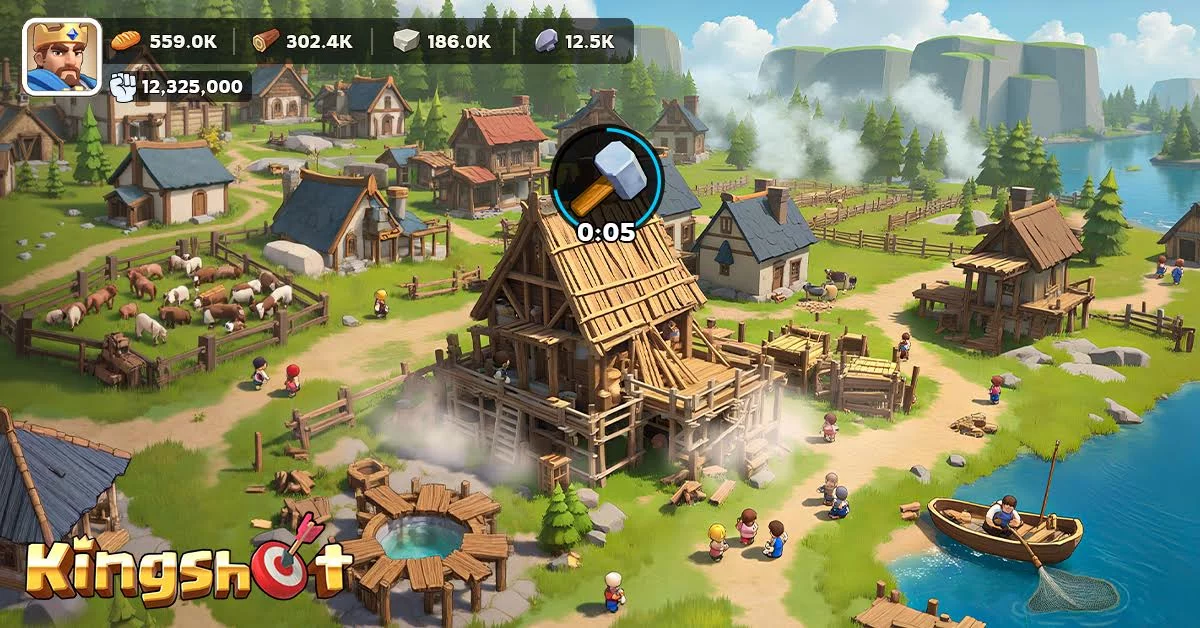
To excel in the Blizzard Brawl event within Kingshot, players must shift from standard idle-management mindsets to high-intensity, proactive battlefield control. This event rewards agility, tactical foresight, and the ability to dictate the pace of combat. By moving away from static defensive formations and embracing mobile, objective-oriented gameplay, you can secure victory and maximize your event rewards. This guide provides the expert strategies needed to thrive in the Blizzard Brawl.
Why Mobility Defines the Blizzard Brawl Meta
In the Blizzard Brawl, movement speed and repositioning capabilities are your most valuable assets. Unlike standard Kingshot modes where sustain often dictates success, the Brawl is a game of tempo. If your formation is too slow, you will be kited by ranged units or flanked before your front line can engage.
Prioritizing "Blink" and "Dash" Mechanics
- Engagement Control: Heroes with dash or blink abilities are mandatory. They allow you to close the distance on high-priority targets or escape when an engagement turns against you.
- Terrain Navigation: The Blizzard Brawl map is filled with obstacles. Selecting heroes that can bypass or vault over terrain allows you to take unconventional paths, flanking opponents who expect a standard lane approach.
- Anti-Kite Measures: If you find yourself struggling against ranged compositions, prioritize heroes with "gap-closer" passives. These prevent enemies from maintaining the distance required to chip away at your health bars safely.
Tactical Map Positioning and Rotation
The most common mistake players make in the Blizzard Brawl is staying in one zone for too long. Static play makes you a predictable target for coordinated strikes.
The Hit-and-Run Philosophy
Adopt a rotating playstyle. Instead of holding a single point, identify high-value objectives and rotate between them. If you notice the enemy team grouping up in force, do not meet them head-on. Instead, rotate to an undefended sector of the map to capture secondary objectives.
- Avoid the "Death Ball": Do not commit to prolonged, resource-draining brawls. If a fight lasts longer than ten seconds without a clear shift in momentum, disengage.
- Force Reactions: By constantly moving, you force the enemy to react to your positioning. A team that is forced to rotate is a team that is not setting up their own traps or defensive perimeters.
Optimal Resource and Cooldown Management
In Kingshot’s Blizzard Brawl, hoarding consumables is a losing strategy. The tempo of the match moves too quickly for you to wait for the "perfect" moment.
The "Use-It-or-Lose-It" Rule
If using an event-specific item or a high-cooldown ability allows you to secure an objective or finish off an isolated enemy, do not hesitate. Managing your team's rotation is essential:
- Monitor Cooldowns: Never initiate a fight if your primary damage-dealing hero has their core ability on cooldown.
- Strategic Cycling: If your primary hero takes significant damage, rotate them to the back of your formation. Allow your secondary units to absorb damage or provide crowd control while the primary hero's health or energy regenerates.
- Consumption Timing: Use movement-speed buffs early to secure position, not as a reaction to being chased. Securing the high ground or a choke point early is worth more than a desperate speed boost when you are already losing a fight.
Leveraging Environmental Awareness
The Blizzard Brawl maps in Kingshot are not just backgrounds; they are tactical tools. Experienced players use the environment to negate enemy advantages.
- Line-of-Sight (LoS) Breaking: Use pillars, debris, and walls to block incoming ranged fire. By hugging corners, you force ranged attackers to move into your effective range.
- Choke Point Manipulation: If you are outnumbered, retreat into narrow corridors. This forces the enemy to engage your front line one by one, effectively negating their numerical advantage.
- Baiting Hazards: If the map contains environmental traps or hazardous zones, position yourself on the opposite side of them. An aggressive, over-extending opponent will often walk into these hazards while trying to secure a kill, giving you a free advantage.
Making the Decision: When to Fight and When to Flee
Success in the Blizzard Brawl is as much about knowing when to quit as it is about knowing when to attack. Recognizing "bad trades" is the key to climbing the event rankings.
The Anatomy of a Winning Engagement
A "bad trade" occurs when you spend more resources (health, energy, or cooldowns) than the enemy without securing a kill or an objective. If you find your team in a "meat grinder" scenario—where both sides are just trading damage—pull back.
- Assess the Roster: If your team lacks the sustain for a long, drawn-out fight, you cannot win a war of attrition. You must win through burst damage and quick objective captures.
- Strategic Retreats: Retreating is not a sign of weakness; it is a tactical reset. By pulling back, you force the enemy to abandon their defensive structure to chase you, often leading them into a poorly supported position where you can turn and counter-attack.
Summary Checklist for Blizzard Brawl Success
To summarize your approach for every match:
- Composition: Ensure at least two heroes have high mobility or displacement.
- Movement: Never stay in one place for more than 30 seconds.
- Engagement: Use your most powerful abilities at the start of a skirmish to secure an early lead.
- Environment: Always fight near cover to break line-of-sight against ranged threats.
- Discipline: If the fight isn't going your way, disengage immediately and pivot to a different part of the map.
By applying these strategies, you stop playing the Blizzard Brawl as a basic combat simulator and start playing it as a high-level tactical event. Focus on speed, prioritize your positioning, and do not be afraid to reset the tempo when the situation turns against you. Happy hunting in Kingshot!
Free Kingshot Codes
Current active codes and how to redeem them.

Sarah Williams
Sarah specializes in RPG and collection games, explaining team building, character growth, and beginner-friendly ways to avoid expensive early mistakes.
COMMUNITY
Player Comments
144 players commented on this guide.
This guide answered the exact question I had.
Can you add more details about heroes in a future update?
The explanation is clear, especially for beginners.
This saved me time in the early game.