
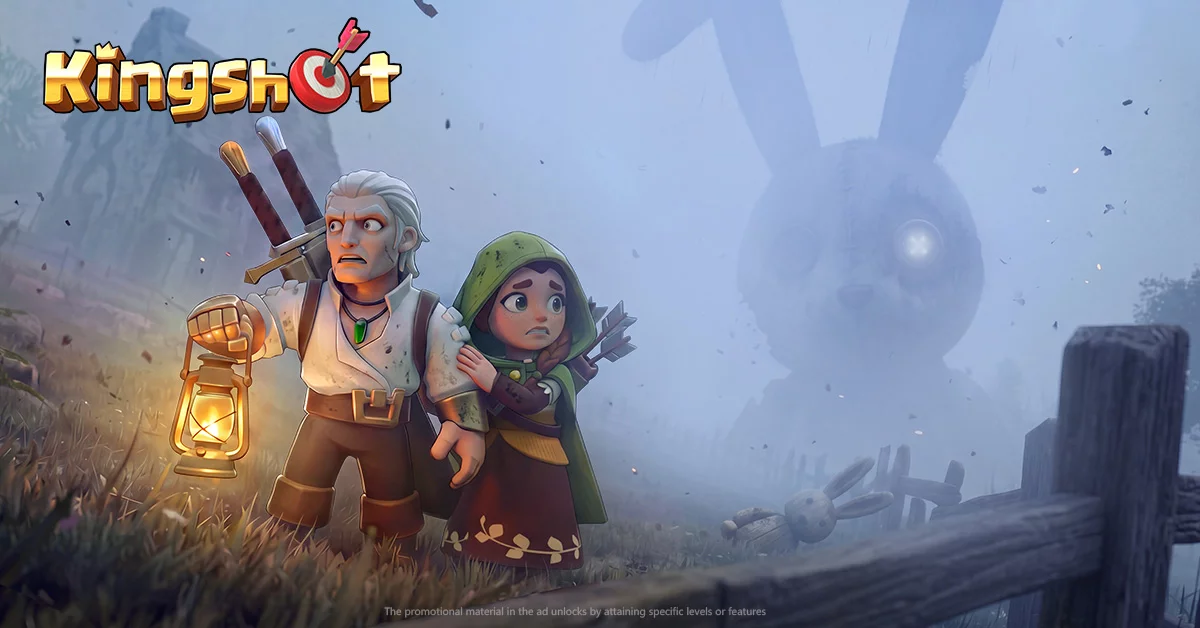
Mastering social deception in Kingshot requires players to shift their focus from raw combat power and idle resource generation to psychological observation and tactical information gathering. In a game defined by strategic town management and competitive combat, the greatest threat to your alliance often isn't an overwhelming enemy army—it is the saboteur operating from within your own ranks. Whether dealing with organized espionage during server-versus-server wars or specific hidden-role alliance events, identifying inconsistencies in player behavior is essential.
By managing group dynamics during high-stakes social events, you can effectively isolate "undercover" agents before they compromise your defenses. This comprehensive guide outlines how to utilize collective surveillance, analyze contribution patterns, and establish defensive town management protocols to maintain control over your team’s objectives while mitigating the disruptive influence of hidden roles.
Understanding the Saboteur Mechanic in Kingshot
In Kingshot, hidden roles and alliance espionage take advantage of the game's cooperative mechanics. Because idle medieval survival relies heavily on shared alliance tech, coordinated rally attacks, and pooled resources, a single bad actor can cause disproportionate damage. Saboteurs typically aim to achieve three primary goals: misdirecting alliance resources, feeding strategic coordinates to rival guilds, and intentionally failing defensive garrisons during competitive combat phases.
To combat this, alliance leaders and officers must cultivate an environment of "trust but verify." You cannot micromanage every player's idle town progression, but you can monitor their active participation during critical server events. Recognizing the difference between a casual player who is simply disorganized and a deliberate saboteur requires a deep understanding of Kingshot’s behavioral tells.
Analyzing Behavioral Anomalies in Hidden Roles
The most reliable way to identify a saboteur in Kingshot is by tracking deviations from established team objectives. Saboteurs often mirror legitimate players' movements but fail to contribute to the core mission, such as high-tier resource collection, alliance tech donations, or objective defense.
The Illusion of Participation
When a player lingers near critical alliance assets—such as the Alliance Fortress or contested resource nodes—without actually interacting with them or sending troops to reinforce them, they are likely attempting to avoid detection while waiting for an opportunity to strike. Saboteurs frequently send minimum-tier units (like T1 infantry) to massive T4 combat rallies. To the untrained eye, their name appears on the participation list, but their actual combat contribution is effectively zero, purposely weakening the rally's overall power.
Neutral Positioning and Self-Preservation
Pay close attention to "neutral" players who consistently shift their focus away from the primary objective during competitive combat. In Kingshot, if a player is consistently positioned in a way that provides their town with an easy shield or escape route rather than holding a defensive advantage for the alliance hive, they are prioritizing self-preservation or preparing to defect. Documenting these town relocation patterns early in a server phase allows you to create a "suspect list" that can be cross-referenced with later, more overt acts of disruption.
Saboteur vs. Genuine Player Comparison
| Behavior Metric | Genuine Alliance Member | Undercover Saboteur |
|---|---|---|
| Resource Donation | Consistently donates to prioritized Alliance Tech. | Spreads donations randomly or hoards resources. |
| Rally Participation | Sends maximum tier and capacity troops to crucial rallies. | Sends single units or low-tier troops just to appear active. |
| Town Placement | Teleports to the alliance hive or defensive chokepoints. | Hovers on the edge of the hive or near rival territory. |
| Communication | Asks for strategic clarification and shares scouting reports. | Asks probing questions about officer online times and rally targets. |
Leveraging Group Consensus to Neutralize Threats
When a potential threat is identified, the most effective tool at your disposal is the power of collective scrutiny. Instead of confronting a suspect individually—which exposes you to immediate retaliation or accusations of toxicity—shift the focus of the group toward the suspicious player. By initiating public discussions or collaborative tasks that force the suspect to reveal their true intent, you can compel them to either abandon their cover or expose themselves through defensive, erratic play.
Effective group pressure in Kingshot involves three distinct strategies:
- Forced Participation Checkpoints: Require the suspected player to contribute to high-visibility tasks where their lack of output will be immediately apparent. For example, mandate that all members link their battle reports in the alliance chat during a specific skirmish. A saboteur will either fail to produce a report or reveal their intentional underperformance.
- Synchronized Surveillance: Assign trusted alliance officers to observe the suspect from different angles. Have one officer monitor their resource donations while another tracks their map movements and scouting targets. It becomes impossible for the saboteur to operate without being spotted when their actions are cross-referenced.
- Information Zoning (The Honey Pot): Withhold sensitive movement plans from the suspect. Provide them with a fake target or a "decoy" rally time. If the rival alliance suddenly reinforces that exact decoy target or shifts their defensive town layouts to counter a plan only the suspect knew about, you have definitive proof they are feeding information to opposing parties.
Defensive Positioning and Town Security
To prevent saboteurs from disrupting your progress, implement rigid defensive positioning and permission management during critical missions. Rather than spreading your alliance permissions thin, create "secure tiers" where players must prove their loyalty before gaining access to high-level town management functions, such as building alliance flags or initiating server-wide buffs.
Overlapping Fields of Vision
If you occupy a critical node on the map, ensure your flanks are covered by trusted allies rather than unknown quantities. Saboteurs often wait for a "blind spot"—such as when key officers log off for the night—to execute their actions, like dropping an alliance shield or initiating an unwinnable rally to waste troops. By establishing a rotating schedule of trusted officers across different time zones, you remove the environmental variables saboteurs rely on to remain hidden.
Restricting Alliance Permissions
Treat any attempt to manipulate your squad’s formation as a potential red flag, especially if a newer player insists on acquiring officer privileges quickly. In Kingshot, rank permissions should be strictly tied to proven, long-term contributions. Never grant a player the ability to dismantle alliance structures or alter diplomatic standings until they have survived multiple server-versus-server wars with your team.
Managing the "Undercover" Psychological Trap
Psychological manipulation is a core mechanic used by saboteurs to deflect blame and sow discord. They will often mirror the behavior of the most vocal player in the alliance, making it difficult to differentiate between a proactive leader and a disruptive spy.
Identifying Performative Helpfulness
To counter this manipulation, look for "performative" helpfulness. A saboteur in Kingshot will often perform small, low-impact tasks to build trust—such as speeding up a low-level building or sending minor resource gifts to the alliance leader. However, they will conveniently be "offline" or "out of resources" when it comes time to commit to a major, costly disruption at a pivotal moment.
Challenging the Decision-Making Process
When you suspect a player is using this tactic, challenge their decision-making process by asking for the logic behind their movements. Genuine teammates in Kingshot typically have a clear, objective-driven rationale for their actions (e.g., "I teleported here to farm higher-level iron nodes"). Saboteurs, by contrast, frequently provide vague or inconsistent explanations that do not align with the team's broader strategy. Trust your analytical assessment over their social posturing; if the math of their combat power contributions doesn't add up, their loyalty is likely compromised.
The Tactical Trade-offs of Aggressive Investigation
While rooting out saboteurs is vital to your medieval survival, you must be acutely aware of the "paranoia cost." Over-investing in identifying an undercover agent can lead to a breakdown in team cohesion and a significant drop in overall task efficiency. If your officers spend the entire session questioning teammates and demanding screenshots of troop deployments, you may lose the very objectives you are trying to protect due to plummeting morale.
Balancing Investigation with Gameplay
Balance your investigation with active gameplay. If the suspected player is not causing immediate, irreparable damage (such as dismantling your Alliance Fortress), it is often better to monitor them closely while continuing to push forward with your primary town management goals. Do not let the hunt for a spy halt your alliance's progression.
Assessing the Cost-to-Benefit Ratio
Always assess the cost-to-benefit ratio of your confrontation. If the suspected player is a "whale" (a high-ranking, high-power member) or possesses critical resources, a premature accusation could cause a schism that destroys your team from within. They might take their friends with them, crippling your competitive combat roster.
Use "soft" pressure first. Restrict their access to sensitive areas, demote them subtly by claiming you are "restructuring ranks," or monitor their output without public accusations. This ensures that even if your suspicion is incorrect, the impact on your team’s progression remains manageable and easily reversible.
Step-by-Step Resolution for Removing a Saboteur
When you have gathered enough evidence and are ready to act, follow this structured approach to remove the threat from your Kingshot alliance without causing internal panic:
- Isolate the Target Strategically: Demote the player to the lowest alliance rank to strip all permissions immediately. Do this during their confirmed offline hours to prevent a retaliatory strike.
- Secure Your Borders: Before officially kicking the player, ensure that all nearby alliance members have activated their town shields. A kicked spy will often immediately teleport their main account or their rival guild's strike force to their location to burn former allies.
- Execute the Expulsion: Remove the player from the alliance and immediately block them from the alliance chat and Discord server to prevent them from spamming toxic messages or attempting to poach other members.
- Communicate the Decision: Transparency is key to preventing paranoia. Briefly and professionally explain to the rest of the alliance why the player was removed, citing the specific behavioral anomalies and data (like zeroed rally participation or leaked coordinates) that led to the decision.
By mastering these social deception strategies, you can turn the psychological warfare of Kingshot into a predictable, manageable system, ensuring your alliance remains unified and dominant in both town management and competitive combat.

Free Kingshot Codes
Current active codes and how to redeem them.

Emily Johnson
Emily writes practical mobile strategy guides with a focus on resource planning, base progression, and the early decisions that shape a long-term account.
COMMUNITY
Player Comments
83 players commented on this guide.
The tips are practical and easy to follow.
Good guide for Kingshot players. The updates part was useful.
This saved me time in the early game.
I wish I had read this before upgrading the wrong thing.