
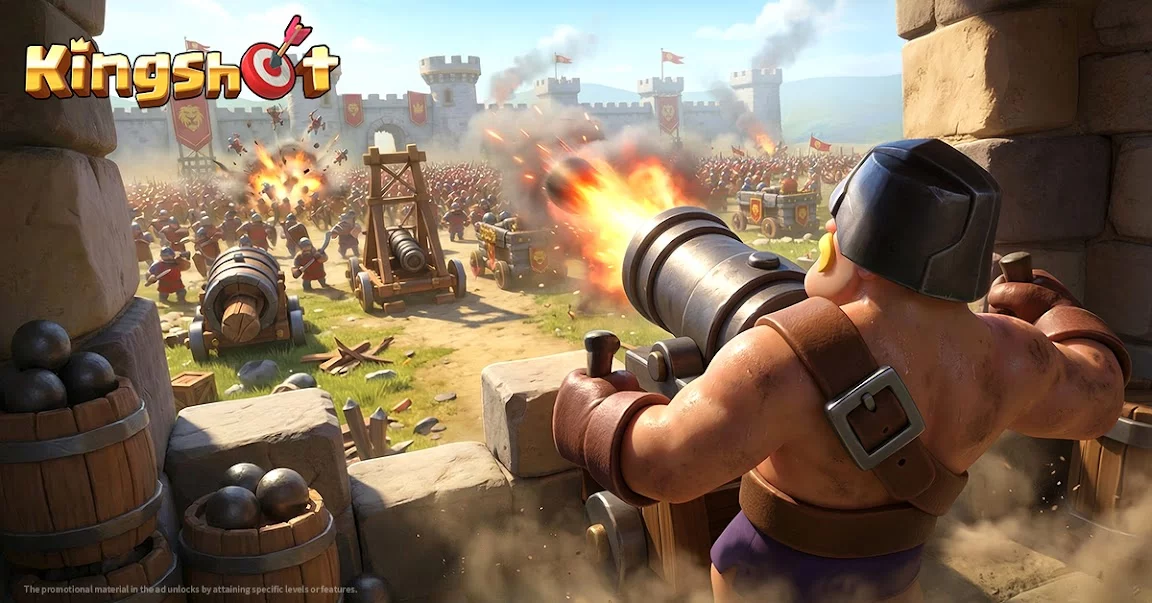
Navigating a "dead state" or a server with declining activity is one of the most challenging phases in Kingshot. As player activity fluctuates, your strategy for resource gathering, alliance management, and growth must shift from aggressive expansion to long-term sustainability. Understanding how to operate within these environments is crucial for players looking to maintain their power level when the server population thins out.
Recognizing the Dead State Environment
A dead state in Kingshot is typically characterized by a sharp decline in active alliance wars, reduced competition for map objectives, and stagnant trade markets. While this can seem negative, it offers a unique opportunity to focus on internal development without the constant pressure of large-scale hostilities.
Key Indicators of a Low-Activity State
- Reduced Resource Competition: Nodes and tiles remain uncontested for longer periods.
- Alliance Consolidation: Smaller alliances merge frequently to fill roster spots.
- Stagnant Leaderboards: The top power rankings remain static for extended durations.
- Event Participation: Difficulty in reaching high-tier rewards due to lower overall server participation in competitive events.
Strategic Adjustments for Low-Population Servers
When activity drops, your progression path in Kingshot should change to prioritize efficiency over rapid, conflict-driven growth.
1. Resource Management
In a quiet state, farming becomes safer, but the potential for alliance-wide resource pooling is lower.
- Prioritize Personal Efficiency: Since you cannot rely on active alliance hubs as heavily, focus on individual tech trees that boost gathering speed and cargo capacity.
- Diversify Income: Shift focus to consistent, non-volatile income sources. If the market is slow, avoid relying on trade for essential materials and focus on upgrading your own production buildings.
2. The Importance of "Master" Units
As the server ages, the pool of "Master" tier units becomes the primary differentiator between players. In a stagnant environment, you have the breathing room to focus on long-term unit cultivation without the immediate threat of losing them in massive KvK-scale battles.
- Focus on Specialization: Instead of training broad army compositions, refine your hero and unit pairings to counter the specific threats that remain in your state.
- Slow-Roll Upgrades: Use the downtime to carefully evaluate which hero upgrades provide the best return on investment for your specific playstyle.
Adapting Your Alliance Strategy
If your alliance is struggling with a shrinking player base, your leadership approach must adapt to prevent total stagnation.
| Strategy | Goal | Benefit |
|---|---|---|
| Active Merging | Consolidate talent into one core group | Maintains social engagement and event participation. |
| State Diplomatic Ties | Establish non-aggression pacts | Reduces troop losses and allows for peaceful farming. |
| New Talent Scouting | Identify active sub-accounts | Keeps the alliance roster full and active for base-level requirements. |
Preparing for Migration
If your state's activity levels have dropped below a sustainable point, the ultimate "dead state" strategy is preparing for migration.
- Maintain Power Ratios: Ensure your power-to-troop ratio is attractive for high-tier alliances in more active servers.
- Resource Hoarding: Before initiating a move, convert your liquid assets into easily transportable items or high-value speedups.
- Networking: Use the slower pace of your current server to reach out to alliances in other states. Building relationships before you migrate is the most effective way to ensure a smooth transition into an active community.
By treating the "dead state" phase of Kingshot as a strategic consolidation period rather than the end of your progression, you can maintain your competitive edge and be ready to jump back into the action when you decide to migrate to a more active server.

Free Kingshot Codes
Current active codes and how to redeem them.

Emily Johnson
Emily writes practical mobile strategy guides with a focus on resource planning, base progression, and the early decisions that shape a long-term account.
COMMUNITY
Player Comments
135 players commented on this guide.
Can you add more details about strategy in a future update?
I wish I had read this before upgrading the wrong thing.
Good guide for Kingshot players. The strategy part was useful.
This guide answered the exact question I had.