
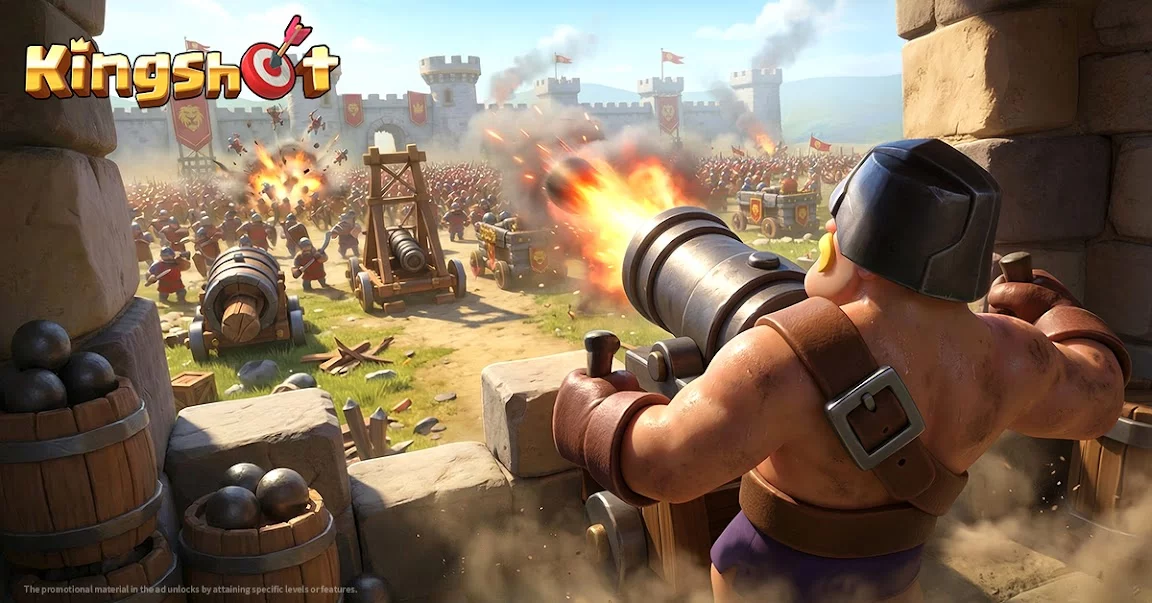
In high-level competitive play within Kingshot, the Swordland Summit represents the pinnacle of tactical coordination. Watching matchups between established servers—such as the engagement between Server 162 and Server 171—reveals the complexities of managing resources, troop positioning, and alliance-wide pressure during qualifiers.
To improve your performance in future league events, it is essential to move beyond basic combat and understand the macro-level decisions that define these high-stakes qualifiers.
Key Indicators of Competitive Matchups
When observing top-tier qualifying rounds, professional alliances focus on three critical pillars that dictate the flow of the battle.
| Metric | Focus Area | Impact on Outcome |
|---|---|---|
| Territorial Control | Chokepoints and Relocation | Determines movement efficiency and rally speed. |
| Rally Timing | Synchronized Strikes | Overwhelms defenders before reinforcements can arrive. |
| Resource Efficiency | Troop Preservation | Reduces recovery time and maintains pressure on the opponent. |
Tactical Observations from High-Level Qualifiers
Analyzing competitive matches provides a blueprint for how to approach your own alliance's strategy during the Swordland Summit.
1. The Importance of Server-Wide Coordination
The difference between a win and a loss in Royal tier qualifiers often comes down to communication. Alliances that operate as a single unit—rotating attackers and defenders based on real-time health levels—consistently outperform groups that rely on individual power. If your alliance is struggling in qualifiers, evaluate your communication protocols:
- Designated Shot Callers: Ensure one or two experienced leaders control the target selection.
- Reinforcement Chains: Establish a rotation system so that defenders do not burn through their high-tier units prematurely.
2. Managing the "Pressure Window"
During intense segments of the match, both teams will attempt to force errors by applying constant pressure. High-level players look for "dead zones" in the enemy defense—areas where the active player count is low or where reinforcements are lagging.
- Scouting Frequency: Increase scouting intensity during the mid-game phase of the qualifier to identify shifting defensive patterns.
- Reaction Speed: Use instant-relocation items sparingly, saving them for critical moments when a target is vulnerable or your own structures are under immediate threat.
3. Evaluating Opponent Strengths
In the Swordland Summit, you are rarely fighting a single player; you are fighting the collective strength of a server. Watching how players from 162 and 171 engage one another highlights the necessity of identifying "whale" players early.
- Avoidance Tactics: If your team is not prepared to take a head-on engagement with a high-spending player, prioritize objective-based play (capturing points/nodes) rather than direct combat.
- Debuff Stacking: Coordinate with your alliance members to apply stacking debuffs on high-threat enemy heroes or units to neutralize their stat advantage.
Preparing for Future Rounds
To climb the ranks in the Swordland Summit, your alliance must treat every qualifying round as a data-gathering exercise. After each match, review the combat logs:
- Identify Losses: Where did your alliance lose the most troops? Was it a strategic error or a lack of coordination?
- Adjust Formations: If specific hero compositions are failing against your opponent’s meta-defenses, experiment with counters that focus on utility and crowd control rather than raw damage output.
By focusing on these macro-level tactical adjustments, your alliance can increase its consistency in the Kingshot Swordland Summit and move closer to securing a higher seed in the Royal tier.

Free Kingshot Codes
Current active codes and how to redeem them.

James Brown
James focuses on Android gaming on PC, emulator setup, controls, performance tuning, and practical troubleshooting for longer play sessions.
COMMUNITY
Player Comments
158 players commented on this guide.
This guide answered the exact question I had.
This saved me time in the early game.
The explanation is clear, especially for beginners.
Good guide for Kingshot players. The strategy part was useful.