
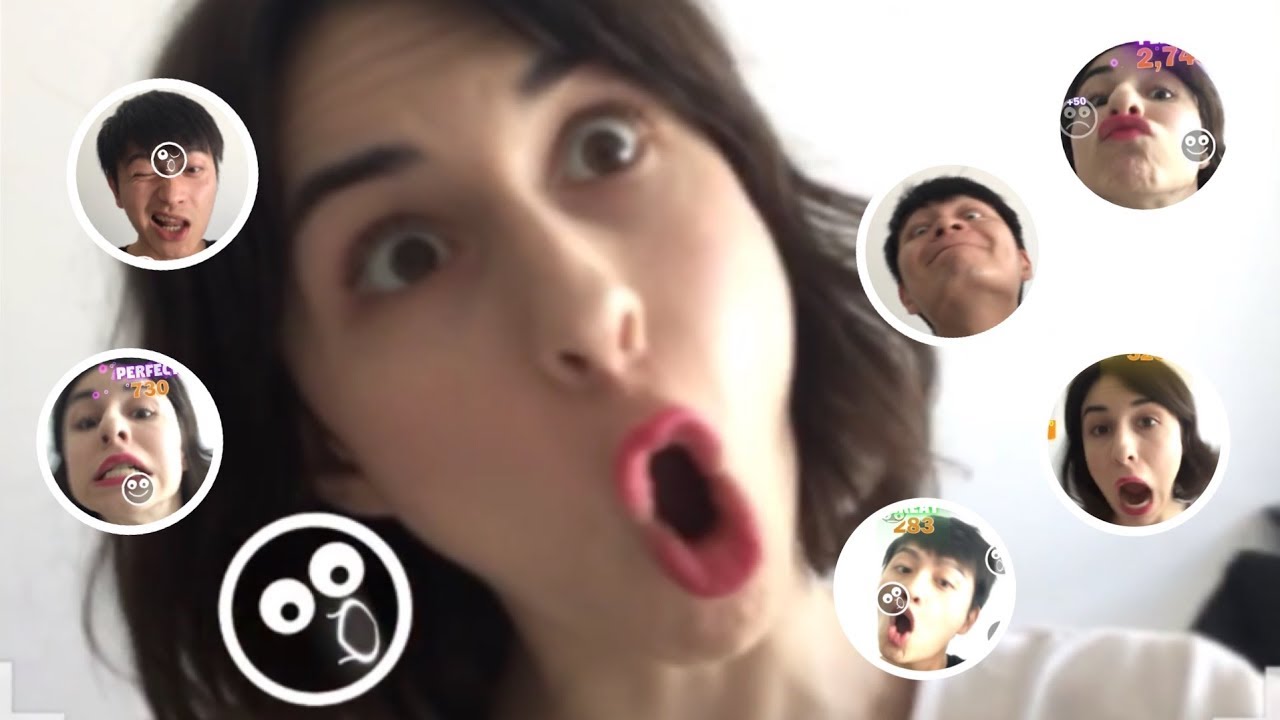
In the vertical action survival world of Kungpow Granny's Revenge, the FaceDance Challenge stands out as a unique, high-stakes skill test that deviates from traditional combat. Rather than relying on weapon durability or character level, this mode forces you to synchronize with a rhythm-based interface to deliver "Karma Retribution" to the game’s most arrogant NPCs. To succeed, you must move beyond simple reaction time and learn the internal cadence of the challenge to lock out AI disruption and secure victory.
Understanding the FaceDance Mechanic
The FaceDance Challenge is fundamentally a rhythm game hidden within a dungeon crawler. Your goal is to match the facial mimicry prompts appearing on the screen with perfect precision. Unlike standard combat where you manage cooldowns and health bars, this mode functions on an "accuracy-first" architecture.
When you engage a target, the game initiates a sequence of inputs. Each successful match contributes to a hidden Karma Meter. If you miss a beat, your combo breaks, and the NPC—often an arrogant boss or elite mob—will reset their status, potentially regaining health or shielding themselves. To master this, stop viewing the prompts as random events; they are part of a repeating loop. Identifying the start and end of this loop is the first step toward achieving a "Perfect" rank, which is required to trigger the ultimate retribution cinematic.
The Strategy of Karma Retribution
The core appeal of the FaceDance Challenge is the "Retribution" event. This is a scripted victory sequence where the NPC faces the consequences of their arrogance. However, the game’s engine only triggers this if you maintain a high enough accuracy percentage throughout the entire dance cycle.
The game tracks the NPC's "Arrogance Level," which acts as a difficulty multiplier. Higher arrogance levels lead to more erratic and faster input sequences. To counter this:
- Prioritize the UI: Do not focus on the NPC’s taunting animations. These are designed to distract you.
- Ignore Verbal Provocation: The dialogue has no impact on your performance. Keep your eyes locked on the pulse-indicator in the UI.
- Consistency Over Speed: It is better to hit a sequence with perfect rhythm than to rush your inputs and trigger a "miss" penalty.
Strategic Timing and Activation
You should never engage in a FaceDance Challenge blindly. The game rewards players who pick their battles. Watch for the target's "annoyance" aura—a distinct glowing effect around the character model.
Initiating the challenge when this aura is visible guarantees a higher score modifier. If you engage outside of this window, you risk being pulled into a standard, resource-heavy brawl. Furthermore, always monitor your stamina. Holding specific inputs consumes stamina, and failing to maintain a hold due to exhaustion will instantly break your streak. Ensure you have at least 20% stamina reserves before starting; if your meter is lower, prioritize dodging or gathering stamina shards before initiating the challenge.
Optimizing Inputs for High-Score Retribution
Achieving the maximum retribution outcome requires more than just button mashing. The game uses a tiered input system that rewards "perfect" timing rather than "good" timing.
- The Pulse Cue: Watch for the subtle color shift in the UI frame. This is your "perfect" window.
- Hardware Matters: If you are playing on a touchscreen, ensure your hands are dry to prevent input lag. On a controller, use the D-pad for crisp, digital inputs rather than the analog sticks, which can introduce unnecessary drift.
- The Loop Memorization: Every NPC type has a specific rhythm pattern. By the third time you face a specific enemy type, the pattern should become muscle memory. Stop looking at the prompt icons once you memorize the cadence and start "feeling" the beat.
Troubleshooting Common Challenge Failures
If you find yourself repeatedly failing the FaceDance Challenge, you are likely falling into one of these two common traps:
- The Proximity Trap: The FaceDance Challenge requires a neutral zone to function. If you stand too close to the NPC, the game’s engine will prioritize the standard combat UI, which effectively cancels your rhythm progress. Maintain a distance of roughly two character lengths. If you see the combat prompt appear, back off immediately and re-enter the challenge zone.
- Reaction Lag: Beginners often wait for the visual prompt to appear before reacting. This is a losing strategy because of the inherent input delay in the game engine. Instead, anticipate the prompt by counting the beats. If the prompt appears on the 1st beat of a four-beat bar, start your input on the beat, not after seeing the icon.
Why This Strategy Works
The reason this approach works is due to how Kungpow Granny's Revenge handles state machines. When you are in the FaceDance mode, you are essentially "locking" the NPC into a defensive script. By ignoring the visual and audio noise of the NPC’s taunts and focusing strictly on the rhythmic input cadence, you bypass the AI’s combat-heavy logic.
Mastering this rhythm-based approach does more than save resources—it turns the most annoying enemies in the game into easy targets. By successfully completing the full sequence, you trigger the retribution, which bypasses the standard boss health-gating and ensures a clean, efficient victory. Use this method to farm high-tier rewards without burning through your health potions or weapon durability, allowing you to survive deeper into the dungeon.

Free Kungpow Granny's Revenge Codes
Current active codes and how to redeem them.

Emily Johnson
Emily writes practical mobile strategy guides with a focus on resource planning, base progression, and the early decisions that shape a long-term account.
COMMUNITY
Player Comments
65 players commented on this guide.
Nice guide. I am checking the other Kungpow Granny's Revenge articles next.
I tried this today and it worked better than my old setup.
Good guide for Kungpow Granny's Revenge players. The strategy part was useful.
The tips are practical and easy to follow.