
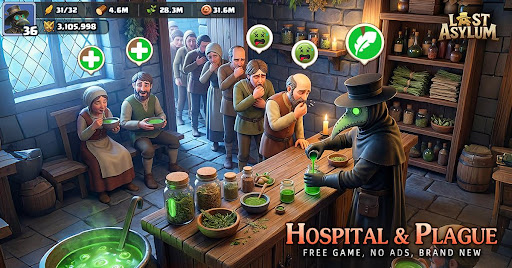
Last Asylum distinguishes itself from typical post-apocalyptic strategy titles through its unique commitment to dark, plague-ridden aesthetics and a somber, historical atmosphere. While many players focus heavily on combat optimization and resource hoarding, understanding the game’s thematic design and the role of its iconic plague-doctor imagery is essential for fully engaging with the world-building.
This guide explores how the game’s visual design influences the survival experience and how to interpret the environmental storytelling built into your medical sanctuary.
The Role of Atmospheric Design in Last Asylum
The game’s aesthetic is built around the grim reality of a medieval-inspired plague outbreak. Rather than generic zombie-survival tropes, Last Asylum leans into:
- The Plague Doctor Iconography: The iconic beak-mask and hooded silhouette serve as more than just a cosmetic choice; they represent the player's role as a beacon of hope in a decaying world. These designs anchor the player in the historical horror theme that defines the game's identity.
- Medical Sanctuary Aesthetics: Your base is not just a military fort—it is a hospital. The layout, the dim lighting, and the claustrophobic corridors are designed to emphasize the theme of "rescue" amidst a crumbling civilization.
- Thematic Consistency: Every structure and unit design is meant to evoke the tension of a society on the brink of collapse. Players who lean into this aesthetic—by prioritizing the visual coherence of their hospital layout—often find a more immersive experience than those who focus purely on numerical efficiency.
Visual Cues for Resource Management
The game uses its dark, gritty art style to provide subtle cues during management phases. Paying attention to the visual state of your facilities can help you diagnose issues before they affect your production rates:
| Visual Indicator | Interpretation |
|---|---|
| Dimmed Lighting/Flickering | Indicates a drop in hospital efficiency or power-related bottlenecks. |
| Pestilence Overlays | Visual shifts in specific zones often signal an upcoming plague threat or area-of-effect hazard. |
| Unit Fatigue Animations | Characters appearing slumped or weary often indicate a need for a rotation in your shift schedules. |
Immersive Progression: Balancing Style and Strategy
While it is tempting to maximize every square inch of your base for pure output, Last Asylum rewards players who maintain the "Sanctuary" vibe. Integrating your defensive structures with the thematic medical aesthetic creates a more cohesive base layout, which can help in quickly identifying which sectors of your hospital are under-optimized.
- Prioritize Thematic Upgrades: When choosing between facility upgrades, consider how the visual changes impact your base flow. Upgraded medical wards often feature more advanced equipment designs that provide clear visual markers of your progression level.
- Environmental Storytelling: Engage with the narrative cues provided by your heroes. The backstory of your primary medical staff is often tied to the specific aesthetic choices of their personal quarters and equipment sets.
Why Aesthetic Matters for Player Engagement
In Last Asylum, the "look" of the game is a core component of the survival loop. By embracing the plague-era atmosphere, you gain a deeper understanding of the game's internal logic. The developers use these dark, moody visuals to communicate the severity of the plague threat—when the screen becomes more saturated or the environment looks increasingly dilapidated, it is a direct signal that your management strategy requires immediate adjustment.
Focusing on the atmosphere isn't just about screenshots; it is about learning to read the game's visual language to make faster, more instinctual decisions during high-pressure events.

Free Last Asylum: Plague Codes
Current active codes and how to redeem them.

Michael Smith
Michael covers live-service games, events, reward systems, and efficient daily routines, turning frequent updates into clear actions for players.
COMMUNITY
Player Comments
59 players commented on this guide.
This saved me time in the early game.
Nice guide. I am checking the other Last Asylum: Plague articles next.
Can you add more details about strategy in a future update?
I tried this today and it worked better than my old setup.