
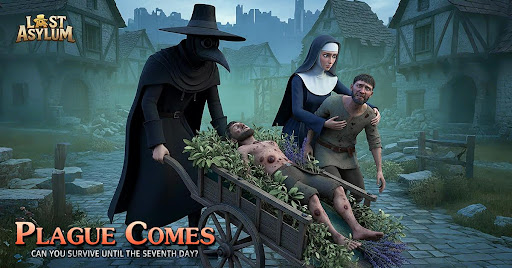
In Last Asylum, combat scenarios often escalate quickly, turning manageable encounters into chaotic struggles for survival. Mastering the flow of high-intensity fights requires more than just high-level heroes; it demands precise squad positioning and an understanding of how to handle concentrated enemy pressure.
Whether you are navigating a standard Plague encounter or defending against a massive wave, the way you deploy your units can be the difference between a clean victory and a total squad wipe.
Tactical Positioning Principles
When engaging in intense combat, your primary goal is to minimize the amount of surface area your squad presents to the enemy. Proper positioning prevents your backline DPS units from being overwhelmed by front-line threats.
- Front-Line Anchoring: Place your high-defense units or "tanks" at the absolute forefront of the deployment zone. Their role is to soak up incoming damage and draw enemy aggro, creating a "chokepoint" that prevents zombies or hostile forces from reaching your fragile support and damage dealers.
- Backline Protection: Ensure your ranged heroes are positioned with a clear line of sight, but keep them at maximum distance. If the enemy breaks through your front line, your backline units should be able to kite or retreat slightly without losing their ability to contribute to the fight.
- Utilizing Environmental Hazards: Many combat maps feature interactive elements or terrain bottlenecks. Use these to your advantage by funneling enemies into narrow corridors where your Area of Effect (AoE) skills can hit multiple targets simultaneously.
Managing Combat Pacing
High-intensity fights are rarely won through raw damage output alone. You must manage the "pacing" of the encounter to ensure your squad’s survival cooldowns align with enemy waves.
| Combat Phase | Focus | Tactical Priority |
|---|---|---|
| Engagement | Initial positioning | Establish the defensive perimeter |
| Climax | High-density waves | Deploy crowd control and ultimate abilities |
| Cleanup | Isolated survivors | Conserve energy and reposition for the next wave |
Proactive Threat Assessment
During intense combat sequences, the sheer number of enemies on screen can make it difficult to prioritize targets. Use these rules of thumb to maintain control:
- Identify Priority Targets: If the enemy composition includes units that provide buffs to others or deal heavy ranged damage, prioritize taking them out first, even if they are slightly further away.
- Monitor Squad Health: Don't wait for a hero to reach critical health before using healing or shielding abilities. In fast-paced fights, anticipate damage spikes and trigger defensive buffs seconds before the enemy closes the gap.
- Avoid Over-Commitment: If you find yourself surrounded, it is often better to reposition your squad to a more defensible corner of the map rather than trying to power through the center of a swarm.
By applying these positioning strategies, you can improve your performance in high-intensity encounters and reduce the reliance on pure stat-checking to clear difficult stages. Always observe the enemy's movement patterns at the start of a fight, as this will dictate the best possible formation for your specific hero composition.

Free Last Asylum: Plague Codes
Current active codes and how to redeem them.

Emily Johnson
Emily writes practical mobile strategy guides with a focus on resource planning, base progression, and the early decisions that shape a long-term account.
COMMUNITY
Player Comments
76 players commented on this guide.
The explanation is clear, especially for beginners.
Good guide for Last Asylum: Plague players. The strategy part was useful.
I tried this today and it worked better than my old setup.
This saved me time in the early game.