
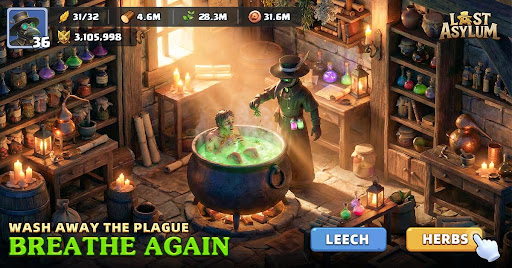
In Last Asylum, players are immersed in a dark, atmospheric world inspired by the medieval plague era. While the game leans into the aesthetic of "plague doctors" and mysterious remedies, the history behind these tropes is often more myth than fact. Understanding what was real versus what was fiction can help players better appreciate the game's setting and the historical context of survival medicine.
The Myth of the Plague Doctor Mask
One of the most iconic images in Last Asylum is the bird-like mask worn by medical staff. In popular culture, these masks are often associated with the height of the Black Death; however, historians note that the "plague doctor" outfit did not actually appear until the 17th century—long after the initial waves of the Great Plague.
- Historical Context: The mask was designed by Charles de Lorme in 1619. It was not intended as a modern filtration device but rather as a way to hold aromatic substances (like dried flowers or spices) to ward off "miasma," the belief that diseases were spread by foul-smelling air.
- Game Utility: While these masks provide a striking visual in Last Asylum, players should remember that in the context of medieval survival, true protection was limited by the scientific understanding of the era.
Traditional Remedies vs. Effective Survival
The video source highlights that historical "treatments" for the plague were often bizarre and ineffective. From using animal parts to superstitious rituals, medieval medicine was largely a process of trial and error.
| Historical Practice | Modern Survival Reality |
|---|---|
| Aromatic Masks | Provided psychological comfort but offered no protection against airborne pathogens. |
| Animal Parts | Often used as poultices; completely ineffective and potentially hazardous. |
| Bloodletting | Frequently weakened patients further, making survival less likely. |
| Isolation | One of the few historically accurate methods that actually helped curb the spread. |
Translating History into Last Asylum Strategy
While Last Asylum utilizes these historical tropes for their "dark fantasy" appeal, players should focus on the game’s internal logic rather than historical accuracy when managing their hospital.
- Prioritize Sanitation: In the game, focus on the mechanics of cleanliness and waste management. Historically, the shift toward public health and isolation was the only true turning point in managing plague outbreaks.
- Resource Management: Do not be misled by "folk remedies" that might appear in historical lore. Focus your in-game resources on developing modern, effective medical infrastructure within the game’s tech tree.
- Appreciate the Atmosphere: The game’s commitment to the "Plague Doctor" aesthetic is a stylistic choice that builds immersion. Treat these items as part of the game’s unique thematic identity rather than a factual guide to medieval medicine.
Why Context Matters for Players
Understanding the difference between the romanticized "plague doctor" and the harsh reality of medieval medicine allows players to better navigate the game's tone. Last Asylum effectively blends the grim realities of survival with the gothic aesthetic of the era. By separating the myth from the mechanics, you can focus on building a more efficient, scientifically grounded hospital that keeps your survivors safe from the encroaching infection.

Free Last Asylum: Plague Codes
Current active codes and how to redeem them.

James Brown
James focuses on Android gaming on PC, emulator setup, controls, performance tuning, and practical troubleshooting for longer play sessions.
COMMUNITY
Player Comments
38 players commented on this guide.
The explanation is clear, especially for beginners.
I tried this today and it worked better than my old setup.
The tips are practical and easy to follow.
Can you add more details about strategy in a future update?