
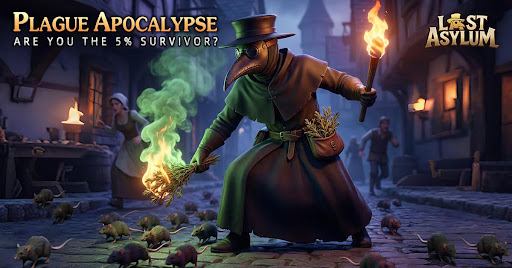
In Last Asylum, the "Plague" encounters represent a significant shift in difficulty compared to standard map skirmishes. Success in these zones requires more than just high-level heroes; it demands a tactical approach to target acquisition and squad management. This guide breaks down how to prioritize threats during high-intensity Plague engagements to ensure your squad survives the encounter.
Understanding Plague Encounter Dynamics
Plague zones are characterized by high enemy density and the presence of unique units that can cripple your team if left unchecked. Players often struggle with "I Want Them" scenarios—instances where specific high-value targets must be isolated or neutralized before they can unleash their specialized mechanics.
Tactical Priorities for Combat
When entering a Plague encounter, your squad’s survival depends on the following priority list:
| Priority | Unit Type | Strategy |
|---|---|---|
| Primary | Ranged Specialists | Eliminate these first to prevent chip damage that whittles down your frontline. |
| Secondary | Crowd Control Units | Target enemies that possess stun or movement-restricting abilities. |
| Tertiary | Sustain/Healer Mobs | Focus fire these units once the primary threats are neutralized to prevent damage reset. |
| Final | Tank/Melee Swarm | Kite these units using your high-mobility heroes while your backline finishes the job. |
Managing Squad Positioning
Positioning is often the difference between a clean victory and a disastrous defeat in the Plague zones. Use these combat tips to manage your squad effectively:
- Avoid Clumping: Many Plague enemies possess area-of-effect (AoE) attacks. Keep your ranged heroes spread out to minimize the impact of enemy blasts.
- Hero Ability Synchronization: Save your ultimate abilities for when the "I Want Them" targets (the elite enemies) spawn. Using your skills prematurely on minor trash mobs often leaves you vulnerable during the critical final phase of the encounter.
- Aggro Management: If your main tank is taking too much pressure, rotate your secondary melee units to intercept incoming attackers. Do not wait for your tank to drop to 10% health before making a move.
Target Selection Strategy
When you identify high-priority targets during the heat of battle, follow these steps to maintain control:
- Manual Targeting: Do not rely solely on Auto-Combat. In Plague zones, the AI often targets the nearest enemy rather than the most dangerous one. Manually select high-damage ranged enemies first.
- Focus Fire: Coordinate your squad's DPS on a single target. It is better to remove one enemy from the board entirely than to have three enemies at half health who can still output full damage.
- Cooldown Management: Pay attention to the "telegraphs" (visual indicators) from elite enemies. If you see a wind-up animation for a heavy attack, save your interrupt or stun skills to cancel the move.
Essential Tips for High-Level Plague Encounters
- Check Enemy Buffs: Before engaging a group, tap on the enemy icons to see if they have damage reduction or lifesteal buffs. Adjust your team composition accordingly.
- Health and Resource Monitoring: If your squad is taking consistent damage, your healer's cooldowns are likely the bottleneck. Increase your team's survivability by investing in hero gear that provides extra dodge or physical defense rather than pure attack power.
- Retreat vs. Push: If you find yourself losing half your squad in the first wave, it is often more resource-efficient to retreat, upgrade your gear, and attempt the encounter again rather than burning through healing items to force a win.

Free Last Asylum: Plague Codes
Current active codes and how to redeem them.

James Brown
James focuses on Android gaming on PC, emulator setup, controls, performance tuning, and practical troubleshooting for longer play sessions.
COMMUNITY
Player Comments
124 players commented on this guide.
I tried this today and it worked better than my old setup.
This saved me time in the early game.
Good guide for Last Asylum: Plague players. The strategy part was useful.
This helped me understand strategy much better.