
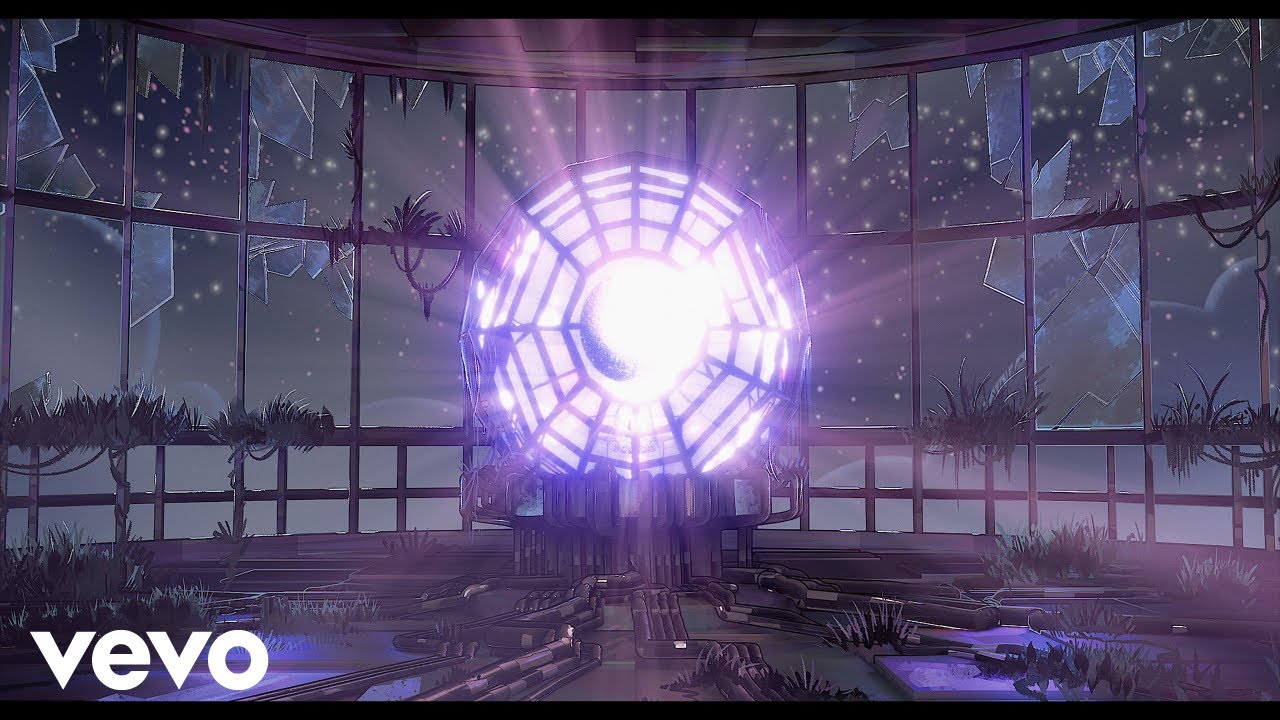
Achieving narrative resonance in Last Echo requires players to synchronize their tactical inputs with the fluctuating transmission waves found in the ECHO sequence. Success in this strategy game is not merely about combat prowess; it is about aligning your decision-making with rhythmic signal peaks to bypass the data corruption that frequently hinders progression. This guide serves as your authoritative resource for identifying the visual and audio frequency thresholds necessary to maintain system stability, ensuring your progress remains intact during the challenging mid-game chapters.
Decoding the ECHO Transmission Patterns
In Last Echo, the ECHO signal acts as a rhythmic barrier to your character's progression. Rather than treating this as a traditional combat encounter, view it as a frequency-based puzzle. Players who ignore the visual oscillations of the transmission bars often suffer from rapid synchronization decay, leading to forced narrative restarts that can set you back significantly.
To master this, you must monitor the central hub monitor during transmission segments. When the waveform peaks, you must input your commands to lock in the current data state. If you attempt to advance during the trough of the wave, the system categorizes your actions as "noise," effectively locking your progress until the next transmission cycle begins. Prioritize stability over speed; in Last Echo, a slow, calculated move during a signal peak is infinitely more valuable than a frantic, mistimed rush.
Mitigating Systemic Data Degradation
Data degradation is the primary mechanic designed to punish erratic movement or inconsistent decision-making during high-intensity narrative sequences. The system is built to detect instability; when you perform actions that conflict with the server's pulse, the "echo" begins to fade into static.
To mitigate this, maintain a steady cadence in your interactions with terminal objects. If you notice the screen flicker or experience audio distortion, immediately stop all movement commands and wait for the system to recalibrate. Moving during these brief moments of signal distortion increases the likelihood of a total system reset. By standing still, you allow the internal logic to patch the gaps, ensuring that your current progress is permanently saved to the local cache before you proceed to the next objective marker.
Identifying Optimal Synchronization Thresholds
Optimal synchronization depends on your ability to recognize the "Ghost Signal" prompts that appear on the HUD. These prompts are not mere aesthetic choices; they are essential indicators of when the system is receptive to your input.
- Soft Blue State: The system is stable but not optimized. Basic movement is safe, but avoid high-resource tasks.
- High-Contrast White State: The system is fully synced. You have a four-second window to execute your primary objective without the risk of data corruption.
If you miss this window, the system enters a "Void State," where all resources spent are nullified. To avoid this, keep your cursor centered on the signal emitter. If the emitter begins to pulse faster, it indicates an impending data refresh; this is your cue to cease all resource consumption and focus entirely on defensive positioning until the pulse slows down.
Managing Resource Consumption During Signal Fluctuations
Resource management in Last Echo is intrinsically linked to your signal strength. The game utilizes a dynamic pricing model based on your connection quality. During periods of high signal, your costs for activating abilities or upgrading gear are reduced by approximately 15%, provided you are within the transmission radius. Conversely, attempting to manage your inventory or perform upgrades during low signal periods results in a "Transmission Tax," where the system consumes double the required resources to complete the same task.
Always check the signal icon in the top right corner of your interface before initiating any crafting or character development actions. If the icon shows a flickering red line, refrain from spending your points. Waiting for the signal to stabilize is the most effective way to preserve your limited currency and ensure that every action you take contributes meaningfully to your long-term character growth.
Strategic Timing for Narrative Evasion
Narrative evasion is a vital tactical necessity when the system attempts to force a sequence reset based on your previous decisions. By tracking the transmission history, you can predict when the game will attempt to overwrite your current path.
To counter this, utilize the "Signal Jamming" technique: intentionally trigger minor UI glitches through rapid menu toggling during the final seconds of a transmission cycle. This forces the game to prioritize your local input over the global reset command, allowing you to maintain your current narrative trajectory even during high-risk segments. While this process is demanding and requires precise timing, it is the only way to bypass the forced reset loops that occur after major story milestones. Master this timing early in your playthrough to maintain total control over your character's development and avoid repeating difficult narrative segments.
Advanced Tactical Considerations
As you progress deeper into the game, the complexity of these mechanics increases. Here are three expert insights to keep your progression smooth:
- Audio-Visual Cue Pairing: Do not rely solely on the HUD. The audio pitch of the transmission often shifts half a second before the visual pulse. Use this as an early warning system to prepare your inputs.
- Chain Reaction Efficiency: When arranging blocks in the puzzle-combat segments, ensure your chain reactions trigger before the signal peak ends. A reaction that spans across a signal reset will often fail to register the damage output correctly.
- Commander Positioning: Your elite commanders gain a passive buff when positioned near transmission relays. Use them as anchors to stabilize the signal in a wider radius, allowing you to perform complex maneuvers even when the primary signal is unstable.
By mastering these synchronization techniques, you transform Last Echo from a punishing experience into a calculated, rhythmic victory. Focus on the pulses, manage your resources during peak windows, and never underestimate the value of standing still when the system is in flux.

Free Last Echo Codes
Current active codes and how to redeem them.

Emily Johnson
Emily writes practical mobile strategy guides with a focus on resource planning, base progression, and the early decisions that shape a long-term account.
COMMUNITY
Player Comments
30 players commented on this guide.
Nice guide. I am checking the other Last Echo articles next.
I wish I had read this before upgrading the wrong thing.
I tried this today and it worked better than my old setup.
Can you add more details about strategy in a future update?