
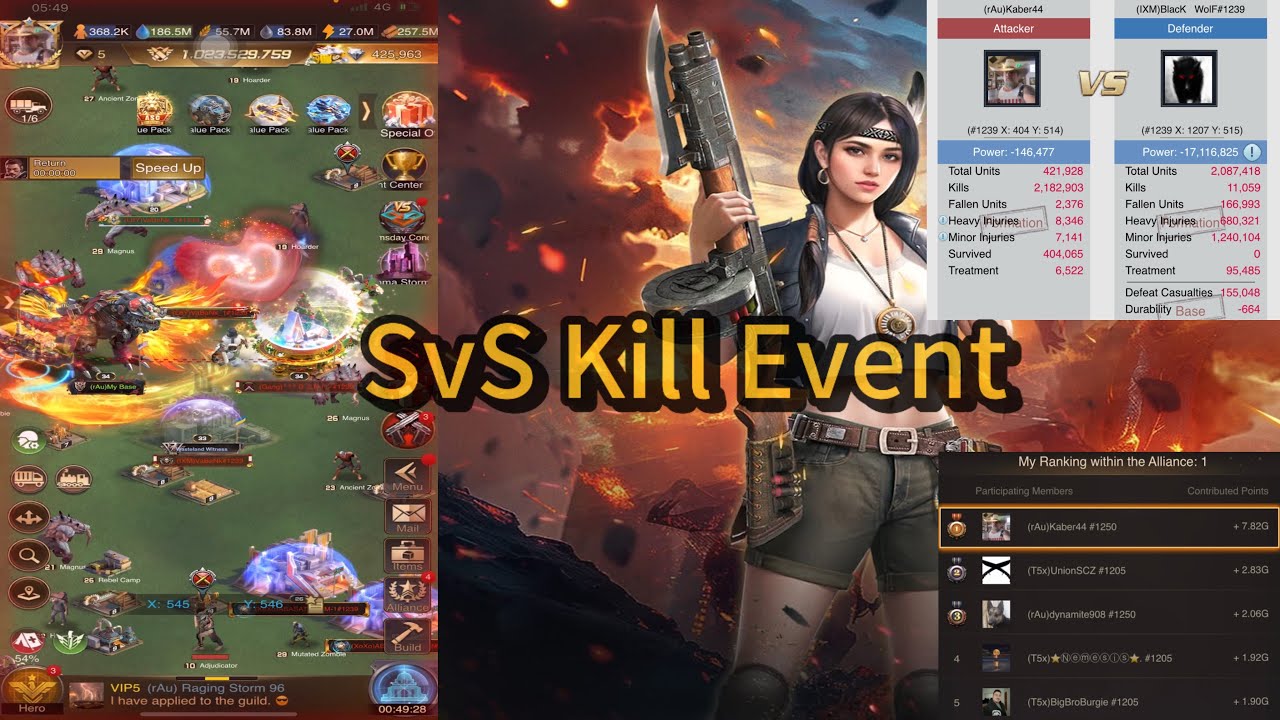
State vs State (SvS) is the pinnacle of competitive play in Last Shelter: Survival. It is not merely a test of individual strength, but a complex, multi-day war of attrition that demands coordination, resource management, and strategic discipline. Success in SvS requires you to transition from standard city-building gameplay to a high-stakes military mindset where every troop loss must be calculated against the potential point yield for your state.
The Mechanics of SvS: Understanding the Kill Event
The SvS event in Last Shelter: Survival typically cycles through phases, with the "Kill Event" serving as the primary driver of state rankings. During this window, points are awarded based on the power of enemy troops destroyed or wounded.
To excel, you must understand that the game rewards efficiency. Trading troops 1:1 against an equally strong opponent is often a net loss, as the time and resources required to heal those troops can set back your base development. The goal is to maximize your "Kill-to-Death" ratio by attacking targets that are either significantly weaker, poorly defended, or caught off-guard.
Coordinating Alliance Strikes for Maximum Impact
Individual heroics are rarely enough to win an SvS event. The most effective strategy is the "Alliance Swarm," where leadership coordinates massive, simultaneous strikes against high-value enemy bases.
- Synchronized Marches: When your alliance targets a strong enemy, ensure all marches land within seconds of each other. This overwhelms the target's ability to heal or react.
- The "Burn" Window: Wait for the signal from your R4/R5 leadership. Attacking before the group is ready alerts the enemy, giving them time to shield or reinforce.
- Role Specialization: Assign roles within your alliance. Some players should focus on "clearing" (hitting with high-damage squads to reduce garrison counts), while others perform "follow-up" hits to secure the points once the initial defense is broken.
Identifying Defensive Vulnerabilities
Veteran players in Last Shelter: Survival do not hunt randomly; they stalk targets. Finding a base that is "open" is key to scoring massive points without sustaining heavy losses.
- Check for Reinforcements: Use scouting reports to look for alliance reinforcements. A lone base is a prime target; a base filled with 10+ reinforcements is a trap that will bleed your hospital capacity dry.
- Monitor Shield Timers: The moments immediately following a shield drop are the most dangerous for the defender. Keep scouts ready for when the server resets or when player shields naturally expire.
- The "Empty Nest" Strategy: Observe enemy movement. If a player has sent their primary marches out to gather resources or attack a tile, their base is left with only a fraction of its defensive power. This is the optimal time to strike.
Balancing Aggression with Troop Preservation
Hospital capacity is your most limiting factor during SvS. Once your hospital is full, every subsequent battle results in "dead" troops that must be retrained from scratch—a devastating blow to your progress.
- Know When to Retreat: If a battle report shows you are losing more power than you are gaining in points, pull your marches immediately.
- Prioritize T10/High-Tier Units: Reserve your most expensive, high-tier troops for guaranteed wins. For "cleanup" hits on already weakened bases, use lower-tier or secondary squads to save your best units for major engagements.
- Defensive Stance: If your state is under heavy fire, stop attacking. Pivot to reinforcing your allies. A well-defended base that holds out against an enemy rally earns your state points and discourages the attacker, whereas an empty base is a gift to the enemy.
Optimizing Hero Formations for SvS
Your hero lineup should change based on whether you are attacking, rallying, or defending. Using a "generalist" setup will result in higher casualties.
- Burst/Attack Formations: Use heroes with high attack modifiers and squad damage bonuses for sniping isolated bases. Speed is essential here to minimize your exposure.
- Rally Formations: When participating in a large-scale rally, prioritize heroes that boost "Squad Capacity" and "Damage Mitigation." These heroes ensure the rally survives longer, allowing more players to contribute to the damage output.
- Defensive Specialists: Keep a defensive-focused lineup active in your garrison at all times. Heroes that provide troop health or defense bonuses can turn a "loss" into a "draw" or "minor win," significantly reducing the number of troops you need to heal after an attack.
Advanced Tactics: The "Clean-Up" and "Baiting"
As the SvS event nears its conclusion, player activity patterns change. Experienced players use these shifts to secure a lead.
- The Final Minutes Push: Many players grow careless in the last hour of the event. Monitor the leaderboard closely; if your state is behind, organize a final, coordinated effort to hit high-point players who have let their shields drop.
- Baiting: If your base is strong, you can intentionally drop your shield to bait an enemy into attacking you. If your garrison is prepared and reinforced by your alliance, you can turn their attack into a massive point harvest for your state. Warning: Only attempt this if you are absolutely certain your base can survive the incoming damage.
Strategic Mistakes to Avoid
- Attacking High-Power Targets Alone: Even if you are a strong player, attacking a reinforced base solo is a recipe for disaster. You will almost certainly face a massive troop deficit.
- Ignoring Healing Speed-ups: Don't wait until the end of the event to heal. Keep your hospital churning constantly. If you run out of speed-ups, your ability to contribute to the war effort effectively ends.
- Over-extending: Do not chase points at the cost of your state’s overall morale. If an enemy is clearly baiting you into a trap, walk away. Saving your troops for a better opportunity is always better than feeding the enemy points.
By focusing on these tactical pillars, you transition from a casual player to a vital asset for your state. Last Shelter: Survival rewards those who treat SvS as a team-based logistical challenge, not just a contest of who has the most troops. Coordinate, scout, preserve, and strike—that is the path to victory.
Free Last Shelter: Survival Codes
Current active codes and how to redeem them.

Emily Johnson
Emily writes practical mobile strategy guides with a focus on resource planning, base progression, and the early decisions that shape a long-term account.
COMMUNITY
Player Comments
56 players commented on this guide.
Nice guide. I am checking the other Last Shelter: Survival articles next.
I wish I had read this before upgrading the wrong thing.
Good guide for Last Shelter: Survival players. The strategy part was useful.
This guide answered the exact question I had.