
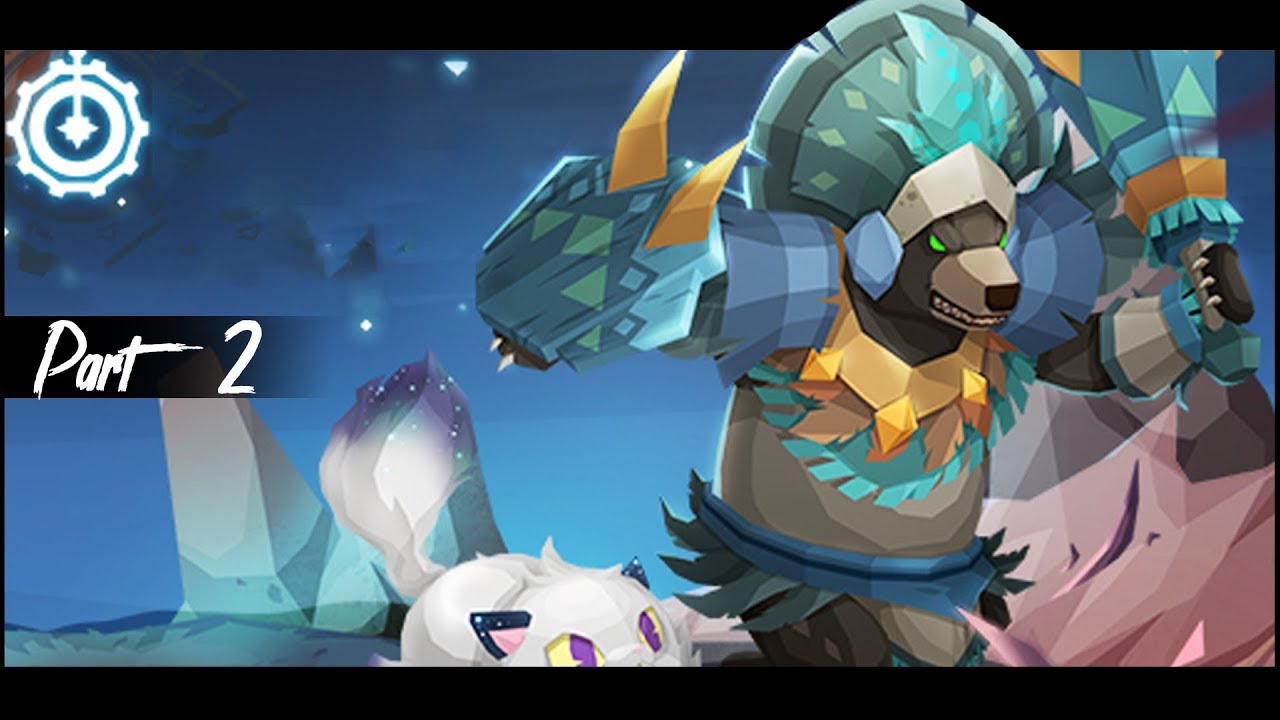
To dominate in Last Valkyrie, you must treat the world not just as a combat zone, but as a complex tactical playground. Success in this strategy-driven RPG depends on your ability to synthesize environmental awareness with deep roster management. By prioritizing the collection of Phantoms with high-utility synergies and systematically solving environmental puzzles, you can bypass difficult combat bottlenecks and secure the rare materials necessary for long-term survival. This guide provides the expert framework needed to balance exploration, combat flow, and resource scaling to ensure your shelter thrives against the encroaching apocalypse.
Prioritizing Environmental Exploration for Hidden Rewards
Exploration in Last Valkyrie is your most reliable source of passive growth. Rather than rushing toward objective markers, view every environment as a puzzle space. Developers have hidden critical loot, lore, and path-clearing mechanisms behind visual cues that are easy to miss if you are moving too quickly.
- Look for Visual Anomalies: If an object looks slightly out of place—a displaced crate, a strange marking on a wall, or a suspiciously glowing pillar—interact with it. These are often triggers for environmental shortcuts.
- The "Slow-Walk" Method: When entering a new zone, hug the perimeter before moving to the center. This helps you spot interactive objects that are often positioned to reward thorough players with health packs, currency, or upgrade components.
- Momentum Maintenance: Using shortcuts discovered through exploration reduces the number of mandatory combat encounters you face. This preserves your Phantoms' health and ability cooldowns for boss fights, where your resources are most needed.
Mastering Phantom Collection and Team Synergy
Phantoms are the lifeblood of your survival strategy. Because Last Valkyrie emphasizes elemental advantages and tactical roles, a "one-size-fits-all" team will eventually fail. You must cultivate a diverse roster that adapts to the specific threats of each zone.
- Elemental RPS (Rock-Paper-Scissors): Always check the enemy types in a new zone before committing your team. Deploying a Phantom that counters the dominant enemy element provides a flat percentage increase in damage dealt and a reduction in damage taken.
- Role Balancing: A balanced team should generally consist of one primary damage dealer, one crowd-control specialist, and one utility/support Phantom. Crowd control is vital; being able to stun or freeze a group of zombies allows your damage dealer to focus on high-value targets without taking unnecessary chip damage.
- Synergy Chains: Do not look at Phantoms in isolation. Focus on abilities that complement each other. For example, if one Phantom applies a "debuff" that increases damage taken by enemies, ensure your damage dealer’s cooldown is ready immediately after that debuff is applied.
Solving Environmental Puzzles to Advance
Environmental puzzles are the gatekeepers of Last Valkyrie. These puzzles often require spatial reasoning—such as block-pushing, weight-plate activation, or sequence-based interaction.
If you find yourself stuck, stop and observe the room from a top-down perspective. Most puzzles are designed with a clear, logical flow:
- Identify the End Goal: Find the door or chest that is locked.
- Trace the Power Source: Look for wires, lines, or pressure plates that lead to the locked object.
- Sequence Interaction: Many puzzles require a specific order of operations. If a sequence fails, look for reset switches.
Ignoring these puzzles is a common mistake that leads to being under-leveled. The gear found in these hidden areas often provides the statistical edge required for later story missions. If you find a puzzle you cannot solve, do not simply leave; mark the location on your map and return once you have acquired a new ability or a specific Phantom that may interact with the environment differently.
Combat Flow: Managing Cooldowns and Combos
Combat in Last Valkyrie is a rhythm game of cooldown management. The biggest mistake players make is "spamming" skills as soon as they become available. Instead, focus on creating windows of opportunity.
- The Rotation Strategy: Cycle your Phantoms so that their cooldowns never overlap completely. You want to have at least one defensive or crowd-control skill available at all times.
- Visual Feedback Cues: Pay attention to the indicators on screen. When an enemy is about to launch a heavy attack, you will see a subtle change in their animation—that is your cue to trigger a defensive ability or a stun.
- Chain Reactions: Successfully chaining skills is the primary way to maximize output. If your support Phantom has a skill that groups enemies together, follow it immediately with an area-of-effect (AoE) attack from your primary damage dealer. This "combo" will clear waves significantly faster than individual attacks.
Strategic Resource Allocation for Long-Term Growth
In Last Valkyrie, resources are finite and precious. Spreading your upgrades across ten different Phantoms will leave you with a weak, mediocre team that cannot handle the mid-game spike in difficulty.
- The "Core Four" Rule: Focus your primary resources (XP materials and evolution shards) on a core squad of four Phantoms. Once these four are maxed out, you can begin secondary upgrades for specialized niche units.
- Prioritize Survivability: Early on, prioritize upgrading Phantoms with self-sustain or shield-granting abilities. A team that can heal itself is infinitely more valuable than a team that deals high damage but dies in two hits.
- Check Requirements Before Spending: Before spending rare currency, look at the upcoming evolution tiers. You may find that saving your materials for one more level allows for a massive power spike, whereas spending them now provides only a negligible stat increase.
Avoiding Common Pitfalls
- Ignoring Elemental Weaknesses: Many players rely on their highest-level Phantom regardless of the element. In Last Valkyrie, a slightly lower-level Phantom with an elemental advantage will consistently outperform a higher-level neutral unit.
- Skipping Side-Quests: The rewards from optional exploration and side puzzles are essential for upgrading your shelter. If you find your progress slowing down, it is usually because you have skipped too many optional content pieces.
- Neglecting Shelter Upgrades: Your shelter is your base of operations. Always ensure your shelter level is as high as the game allows, as this directly affects the stat caps for your Phantoms and the quality of items you can craft.
By mastering these mechanics—exploring thoroughly, solving every puzzle, and building your team with deliberate synergy—you will move from a struggling survivor to a dominant force in the world of Last Valkyrie. Consistency is key; keep your roster focused, your puzzles solved, and your combat disciplined to conquer the challenges that lie ahead.

Free Last Valkyrie Codes
Current active codes and how to redeem them.

James Brown
James focuses on Android gaming on PC, emulator setup, controls, performance tuning, and practical troubleshooting for longer play sessions.
COMMUNITY
Player Comments
42 players commented on this guide.
I tried this today and it worked better than my old setup.
This guide answered the exact question I had.
Can you add more details about resources in a future update?
Nice guide. I am checking the other Last Valkyrie articles next.