
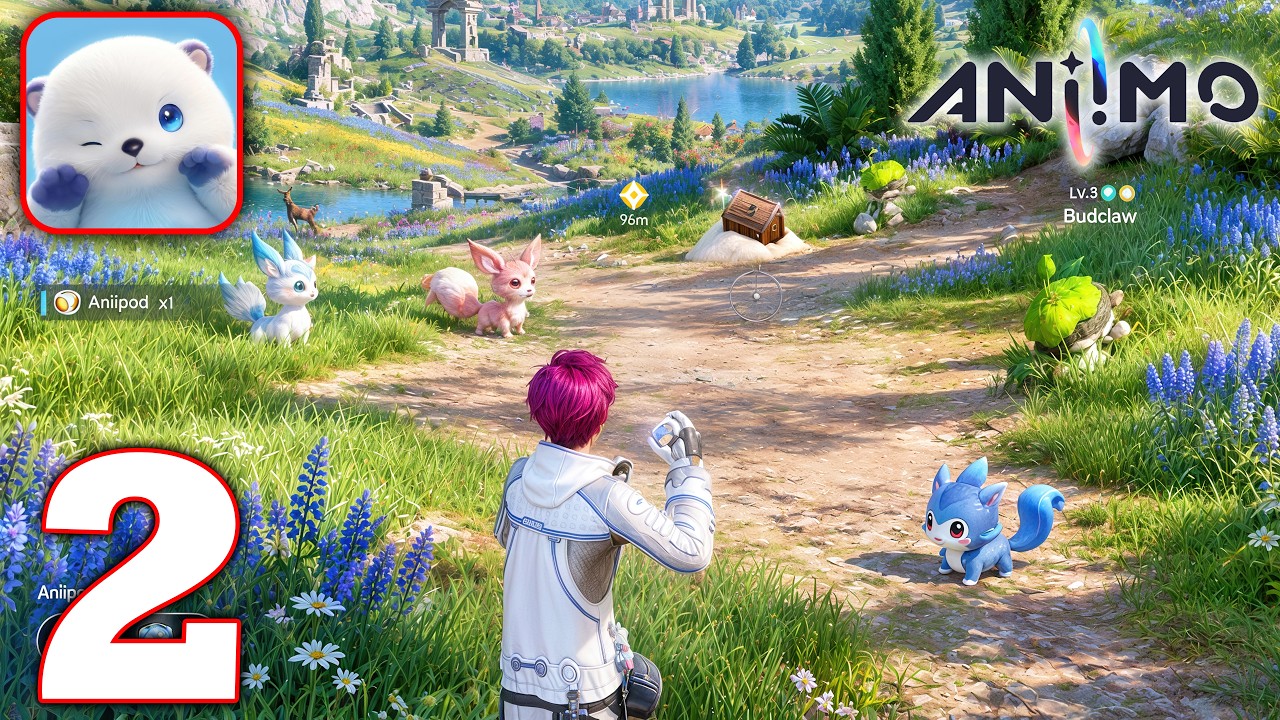

In Aniimo, the Twine mechanic lets you transform into your captured creatures to adopt their physical forms, special traits, and field abilities. Rather than relying on creatures solely for turn-based or real-time battles, you must use Twine to bypass physical obstacles, trigger environmental mechanisms, and explore new biomes across the continent of Idyll.
How the Twine Transformation System Works
Initiating a Twine transformation changes your character into the shape of your active Aniimo. This form swap gives you access to creature-specific abilities needed to solve environmental puzzles and reach restricted zones.
- Traversal and Obstacles: Use creature forms to cross wide gaps, scale vertical ledges, or clear physical barriers that human movement cannot pass.
- Environmental Triggers: Certain puzzle locks and elemental barriers only respond when targeted by specific creature powers or form attributes.
- Combat Transitions: While Twine forms assist in navigating open-world segments, you can revert or swap forms depending on whether you face an environmental block or an enemy encounter.
Adapting to Time, Weather, and Environmental Shifts
Creature encounters and map conditions in Idyll are dynamic. Wild Aniimo availability and environmental barriers shift based on regional weather, time of day, and ambient phenomena.
- Light Cycles and Time of Day: Specific Aniimo species only spawn during night cycles or particular daylight windows. If you need a form with a specific traversal skill, search during its active spawn window.
- Weather and Phenomena: Weather shifts can change how environmental obstacles behave or expose temporary vulnerabilities in elemental barriers.
- Biome Traversal: Moving into a new zone changes the surrounding climate and active roster requirements. Inspect the area before committing to long quest runs.
Recommended Exploration and Roster Strategy
To prevent progression delays caused by impassable terrain, build your active party with exploration needs in mind:
- Maintain a Utility Slot: Keep at least one party slot reserved for a creature focused on mobility or environmental interaction rather than raw damage output.
- Scout Routes Early: When entering a new region, clear map fog and inspect locked paths or high ledges. Document what form attributes are required so you can target those creatures during captures.
- Swap Rosters Before Quests: Check your target objective's region before setting out, swapping in Aniimo forms that match the target terrain and weather conditions.

Emily Johnson
Emily writes practical mobile strategy guides with a focus on resource planning, base progression, and the early decisions that shape a long-term account.
COMMUNITY
Player Comments
126 players commented on this guide.
Can you add more details about strategy in a future update?
Good guide for HOT players. The strategy part was useful.
The tips are practical and easy to follow.
Nice guide. I am checking the other HOT articles next.