
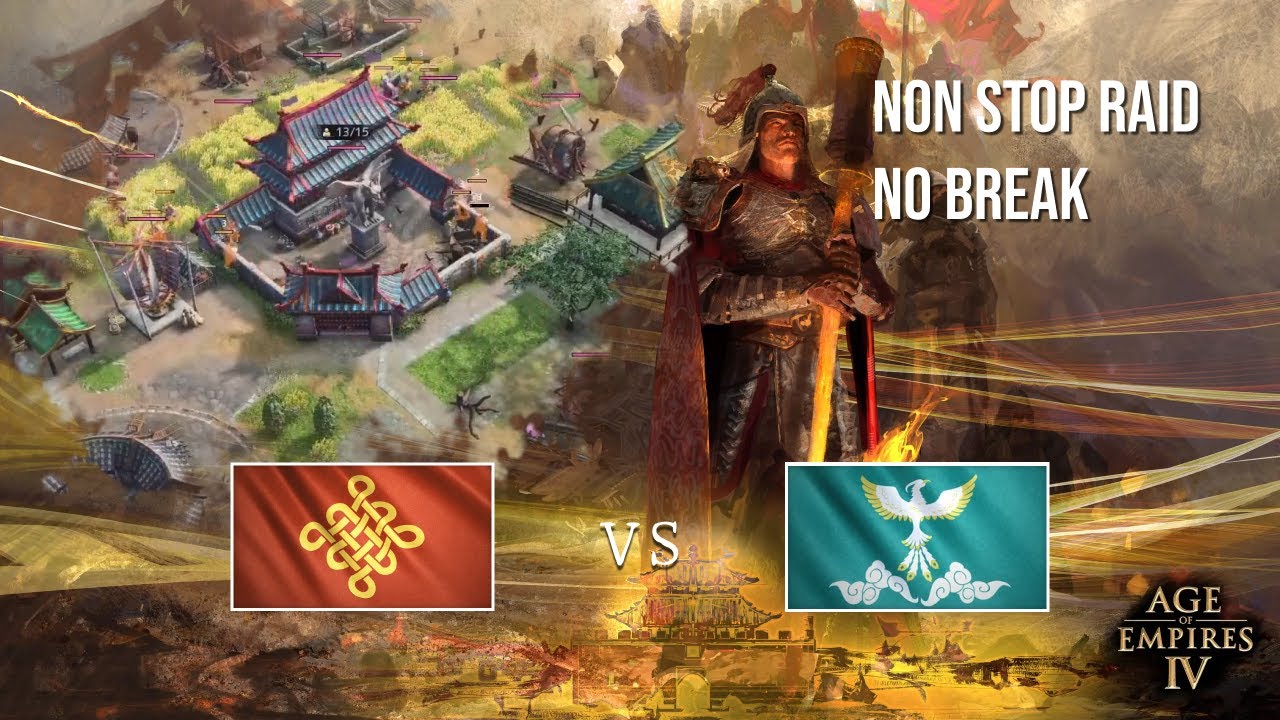

In Season 7, choosing between the standard Chinese civilization and the Zhu Xi’s Legacy variant requires a clear understanding of your preferred victory condition. While both factions share core mechanics like the Dynasty system and Imperial Officials, they offer distinct strategic paths. Standard Chinese excels in defensive booming and late-game technological superiority, whereas Zhu Xi’s Legacy provides specialized units and faster building construction, allowing players to dictate the pace of the match from the early stages.
Assessing the Dynasty System Variations
The core difference between these two factions lies in how their respective Dynasties influence your overall progression. Standard Chinese players rely on the traditional Dynasty cycle to unlock unique buildings and bonuses, such as the Village and Granary, which are vital for long-term economic sustainability. This path rewards players who can turtle effectively and reach the late game, where the Chinese tech tree becomes nearly unstoppable.
Zhu Xi’s Legacy, however, modifies these bonuses to prioritize combat efficiency and rapid expansion. By choosing this variant, you sacrifice some of the standard Chinese defensive depth for more immediate tactical advantages. Players must decide if they prefer the reliable, high-economy grind of the base civilization or the specialized, aggressive options found in the Zhu Xi variant, which can overwhelm opponents before they reach the Imperial Age.
Leveraging Imperial Officials for Economic Growth
Imperial Officials are the backbone of both factions, but their application changes depending on your choice. For standard Chinese, these units are best utilized to supervise production buildings and collect taxes to fuel an expensive late-game army. Keeping your officials safe while they shuttle gold from houses and production centers is a non-negotiable priority for anyone aiming to hit the Ming Dynasty power spike.
In contrast, Zhu Xi’s Legacy players often find more value in using officials to accelerate early-game construction and research. Because the variant focuses on hitting key milestones faster, using an official to boost your landmark construction time or speed up critical upgrades can create a significant lead in the mid-game. You must weigh the cost of training multiple officials against your immediate need for wood and food, as early-game over-investment in officials can leave you vulnerable to raids.
Strategic Landmarks and Technology Paths
Your choice of Landmarks dictates your entire build order and defensive capability. Standard Chinese players often favor the Barbican of the Sun for early defense, which is crucial for protecting vulnerable villagers during the transition to the Castle Age. This defensive posture is essential if you intend to out-scale your opponent, as it buys you the necessary time to accumulate the resources required for your primary win conditions.
Zhu Xi’s Legacy players frequently opt for aggressive landmark placements that enhance unit combat stats or reduce training costs. This approach transforms your army into a more dangerous threat during the Feudal and Castle ages. If you play this variant, your goal is to force engagements on your terms. You should avoid passive play, as the Zhu Xi’s Legacy strength is tied to leveraging their unique unit buffs to win battles before the enemy can establish a superior economic engine.
Adapting to Ranked Meta Challenges
In Gold II and higher, the effectiveness of your chosen faction often comes down to how well you handle specific matchups. Standard Chinese requires a patient approach, focusing on map control and securing gold deposits to pay for your late-game army compositions. If you find yourself frequently losing to early aggression, the standard Chinese defensive landmarks offer the best tools to survive and stabilize your economy.
Zhu Xi’s Legacy, meanwhile, is better suited for players who enjoy controlling the map through constant pressure. The variant’s ability to field unique units and faster upgrades means you can often punish opponents who attempt to greedily expand. However, the trade-off is a tighter resource window; if your early-game attacks fail to deal significant damage, you may find yourself struggling to catch up in the late game compared to a fully developed standard Chinese economy. Choosing the right faction depends entirely on whether your playstyle favors long-term stability or high-risk, high-reward aggression.

Emily Johnson
Emily writes practical mobile strategy guides with a focus on resource planning, base progression, and the early decisions that shape a long-term account.
COMMUNITY
Player Comments
40 players commented on this guide.
The explanation is clear, especially for beginners.
Can you add more details about strategy in a future update?
This helped me understand strategy much better.
The tips are practical and easy to follow.