
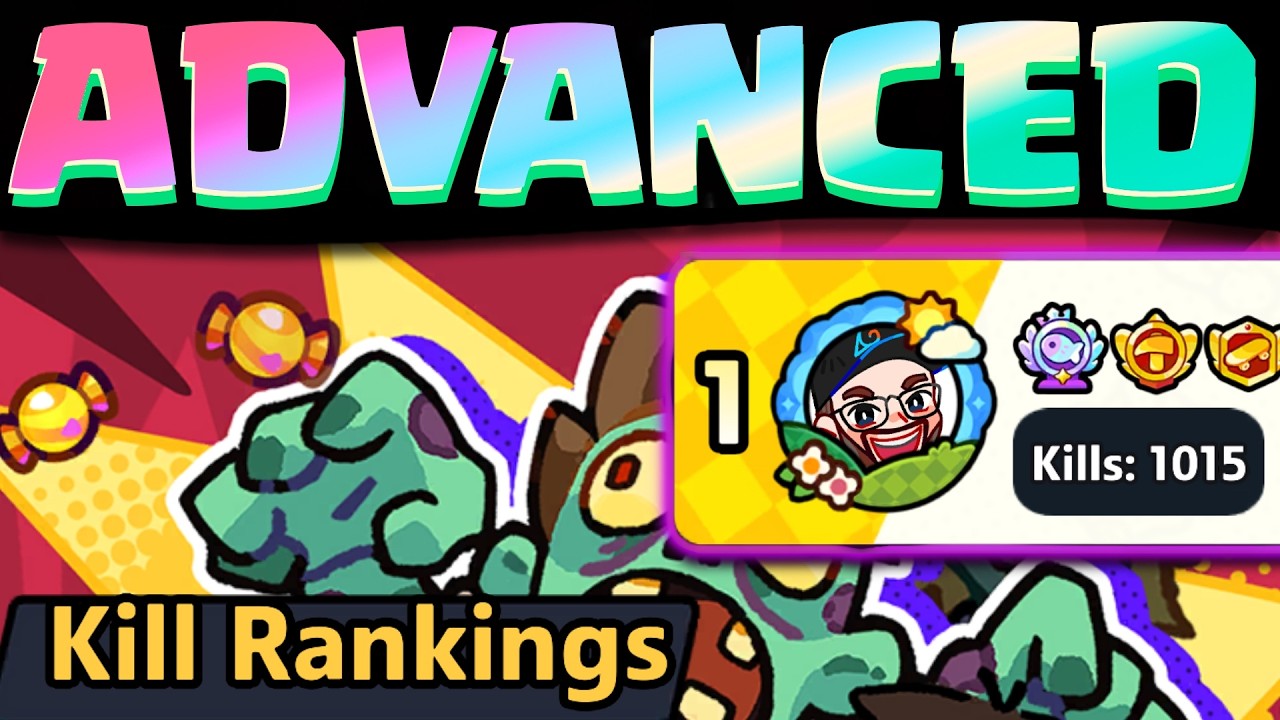

In Clash of Critters, the Horde Invasion mode represents the ultimate test of your ability to merge tactical positioning with squad-based resource management. Unlike standard campaign levels, Horde Invasion demands that you treat the battlefield like a pinball table, using physics-based shots to clear overwhelming numbers of zombies before they breach your lines. To survive the escalating difficulty of higher waves, you must shift your focus from raw power to strategic synergy and precision accuracy.
The Core Mechanic: Pinball-Style Combat
The defining feature of Clash of Critters is the integration of pinball mechanics into its tower-defense style gameplay. In Horde Invasion, your "shots" are not just attacks; they are movement vectors that determine how your Critters interact with the zombie horde.
- The Ricochet Advantage: When firing at the horde, never aim directly at the front line unless absolutely necessary. Instead, look for angles that allow your projectile to bounce off the side walls or environmental obstacles. This extends the duration of your attack, allowing the projectile to pass through multiple enemies and inflict cumulative damage.
- Jackpot Multipliers: The game rewards "jackpot" shots—high-damage triggers that occur when you hit specific targets or clear obstacles in a single sequence. Aiming for these zones is the fastest way to clear a massive wave. Always prioritize these multipliers when the screen begins to fill with enemies, as the spike in damage is often the difference between a wave clear and a game over.
- AOE vs. Single Target: In Horde Invasion, Area-of-Effect (AOE) damage is king. While single-target Critters are useful for boss-type enemies, your squad should prioritize companions who deal splash damage or pierce through multiple targets.
Building the Ultimate Horde Invasion Squad
You have access to over 100 unique companions, but not every Critter is built for swarm control. As you progress, your squad composition must evolve from "strongest individual unit" to "most effective tactical team."
- Synergy over Rarity: A mid-tier Critter with a wide AOE attack is often more valuable in Horde Invasion than a high-rarity single-target sniper. When selecting your squad, look for abilities that slow enemies, push them back, or chain damage between targets.
- The Evolution Priority: Do not spread your upgrade materials across your entire roster. Focus on a core team of five units that offer different utility types: one main AOE damage dealer, one support unit for crowd control (slows/stuns), and one high-damage dealer for cleanup. Maxing these out is significantly more effective than having ten moderately leveled, weak units.
- Elemental Affinity: Pay attention to the elemental strengths and weaknesses presented in the pre-invasion screen. If a wave consists primarily of a specific enemy type, swapping one unit to counter that element can provide a massive statistical boost without requiring additional leveling.
Tactical Positioning and Wave Management
The zombies in Clash of Critters follow predictable movement patterns, but they move at varying speeds. The "Advanced" approach to Horde Invasion is to stop reacting to the horde and start dictating the pace of the battle.
- Spawn Point Assessment: Spend the first few seconds of a wave observing where the fastest enemies spawn. By identifying the "lanes" they are taking, you can position your shots to intercept them before they reach your defensive perimeter.
- The "Wait and See" Strategy: It is tempting to fire as fast as possible, but rapid-fire often leads to wasted shots. If the horde is currently spread out, hold your fire for a second. Wait for the zombies to cluster together at a choke point or near a wall. Once they are grouped, a single well-aimed pinball shot will hit significantly more targets, maximizing your efficiency.
- Skill Timing: Save your special abilities for the "boss" spawns or the final, thickest part of the wave. Using a major skill to kill two or three low-level zombies is a common mistake that leaves you vulnerable to the main pack.
Resource Management and Long-Term Progression
The difficulty curve of Horde Invasion is designed to outpace your natural progression. If you find yourself repeatedly failing a wave, it is a sign that your raw stats are hitting a ceiling.
- The Farm Loop: If you are stuck, stop spending currency on temporary power-ups that only last for one run. Instead, revisit previous levels that you can clear easily. Use these "farm" sessions to collect coins and upgrade materials to permanently boost your core squad's stats.
- Event Participation: Always prioritize event-specific rewards. Events in Clash of Critters often provide unique upgrade materials that are otherwise difficult to obtain. Participating in these events is the fastest way to bridge the gap between "beginner" and "expert" stats.
- Shop Discipline: Resist the urge to purchase random Critter packs unless you have a specific need for a new unit type. Your currency is better spent on direct upgrades for your established team. Consistent, incremental improvements are more reliable than gambling on high-rarity pulls.
Avoiding Common Mistakes
Even experienced players often hit a wall due to small, avoidable errors in their gameplay loop. Avoid these common pitfalls to keep your progression moving forward:
- Over-Investing in Starter Critters: While it is tempting to stick with your first few companions, they often have lower stat caps than mid-to-late game units. Replace them as soon as you find reliable AOE alternatives.
- Ignoring the "Pinball" Physics: If you treat the game like a standard shooter, you will fail. The game is physically designed around bounces and angles. If you aren't using the walls of the map, you are ignoring 50% of your offensive potential.
- Neglecting Defensive Placement: Some Critters provide buffs to their neighbors. Place your support units next to your high-damage dealers to maximize their impact. If your damage dealer goes down, the rest of your squad will struggle to clear the wave, regardless of how well they are leveled.
By focusing on these mechanical nuances and maintaining a disciplined approach to your team's growth, you will find that even the most daunting Horde Invasion waves become manageable. Remember: in Clash of Critters, precision beats power every single time.

James Brown
James focuses on Android gaming on PC, emulator setup, controls, performance tuning, and practical troubleshooting for longer play sessions.
COMMUNITY
Player Comments
113 players commented on this guide.
Nice guide. I am checking the other HOT articles next.
This saved me time in the early game.
The tips are practical and easy to follow.
Can you add more details about strategy in a future update?