
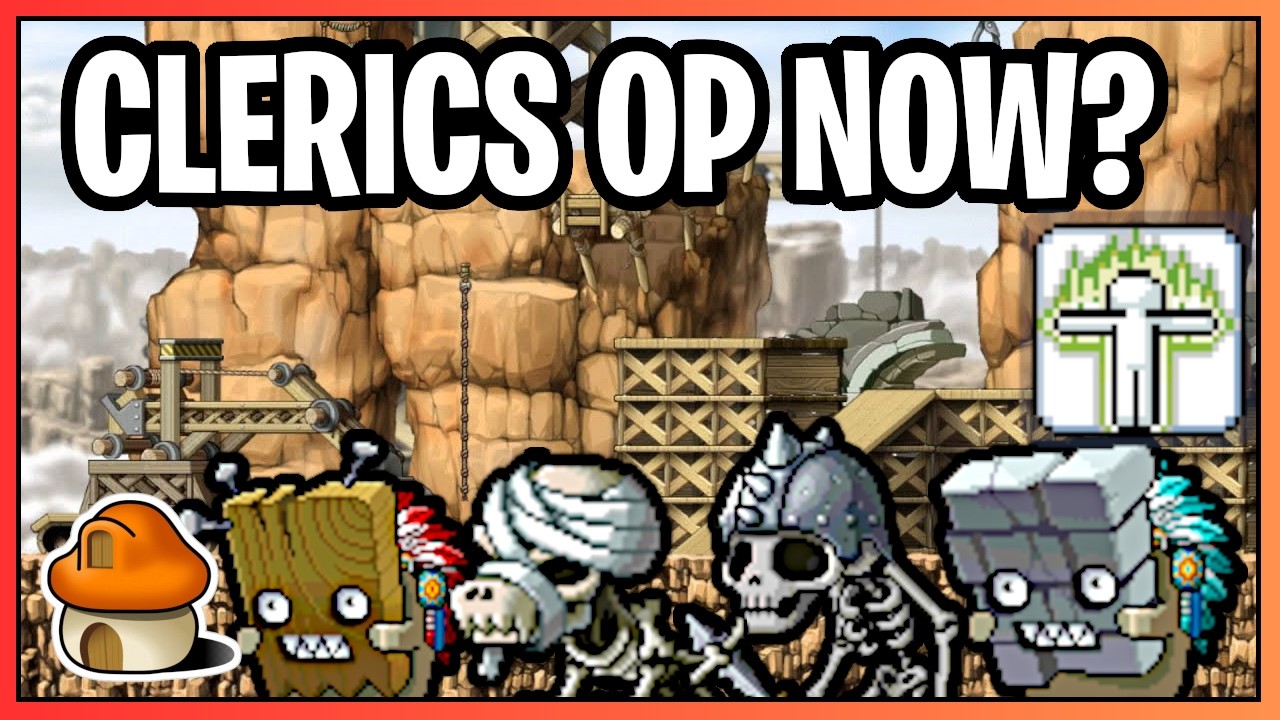

To level through the Excavation Site in Classic MapleStory, enter the zone at level 19 and advance deeper into the ruins as your level, accuracy, and mobbing capabilities scale up to level 73. The outer maps support early pre-second job characters, while the inner chambers feature dense clusters of undead monsters suited for scroll farming and Cleric training.
Excavation Site Level Brackets and Target Monsters
Advance through the maps according to the base monster levels and your character's combat type:
| Monster | Base Level | Notable Characteristics | Recommended Classes |
|---|---|---|---|
| Ghost Stump | 19 | Low defense, beginner bridge experience | Pre-second job classes |
| Wooden Mask | 23 | Low weapon defense, tight ledge spawns | Thieves, Bowmen, Warriors |
| Rocky Mask | 23 | High defense, compact platforms | Mages, high-burst physical classes |
| Skeledog / Mummydog | 44 | Fast movement, aggressive grouping | Clerics, Crossbowmen, Assassins |
| Skeleton Soldier | 57 | Dense spawns, higher health pools | Clerics, Polearm Warriors |
| Officer Skeleton | 63 | Flat floor clusters, scroll and gear drops | Clerics, Crusaders, Rangers |
| Commander Skeleton | 73 | High contact damage, steep accuracy check | Clerics, high-accuracy mobbers |
Early Brackets: Ghost Stumps and Masks (Levels 19–30)
Begin training at the exterior maps on Ghost Stumps once you reach level 19. They have low defense ratings and minimal accuracy requirements, making them a consistent option for pushing toward your second job advancement without spending heavily on potions.
Once you reach the low 20s, move inward to the mask maps:
- Wooden Masks: Prioritize these if you play a physical weapon class. Their lower weapon defense allows Thieves, Bowmen, and Warriors to achieve quick kill thresholds.
- Rocky Masks: Target these if you play a Mage or high-damage build capable of penetrating higher defensive values.
Both mask variants spawn on narrow, stacked ledges. Position yourself to hit multiple targets along each ledge to maintain high kill efficiency.
Mid-Tier Undead: Skeledogs and Soldiers (Levels 44–57)
Past level 40, move into the undead ruins:
- Skeledogs and Mummydogs (Level 44): These mobs feature high movement speed and aggressive pathing. Pull them toward platform chokepoints or attack from ladder perches using ranged skills to avoid contact damage.
- Skeleton Soldiers (Level 57): Shift to soldier platforms when your accuracy allows consistent hits. Their higher health pools absorb multiple attacks, making them ideal for multi-target mobbing skills.
These mid-tier maps drop valuable gear improvement scrolls, which can help offset training costs or supply trade value.
Deep Ruins: Officer and Commander Skeletons (Levels 63–73)
The lowest levels of the Excavation Site serve as pre-third job training chambers:
- Officer Skeletons (Level 63): These monsters pack tightly across wide, flat platforms. Use horizontal area-of-effect skills to sweep whole rows. In addition to scrolls, Officer Skeletons drop level 50 equipment that can be equipped or sold.
- Commander Skeletons (Level 73): Train here only if your accuracy is high enough to eliminate miss checks. Commander Skeletons inflict heavy physical contact damage. Use knockback skills consistently or position near escape ropes to avoid getting cornered.
Cleric Heal Farming Strategy
The mid-to-deep sections of the Excavation Site consist entirely of undead monsters, giving Clerics a major mechanical advantage:
- Zero Health Potion Cost: Casting Heal damages up to five undead monsters simultaneously while replenishing your own HP.
- Radial Mobbing: Because Heal strikes in an area around the caster without requiring horizontal line-of-sight aiming, you can jump between ledges or fight on ladders without breaking attack chains.
- Sustained Grinding: The combination of zero HP recovery expenditure and high spawn density makes the Skeledog, Skeleton Soldier, and Officer Skeleton rooms self-sufficient training spots for solo Clerics.

Emily Johnson
Emily writes practical mobile strategy guides with a focus on resource planning, base progression, and the early decisions that shape a long-term account.
COMMUNITY
Player Comments
116 players commented on this guide.
This saved me time in the early game.
Good guide for HOT players. The early game part was useful.
I wish I had read this before upgrading the wrong thing.
Nice guide. I am checking the other HOT articles next.