
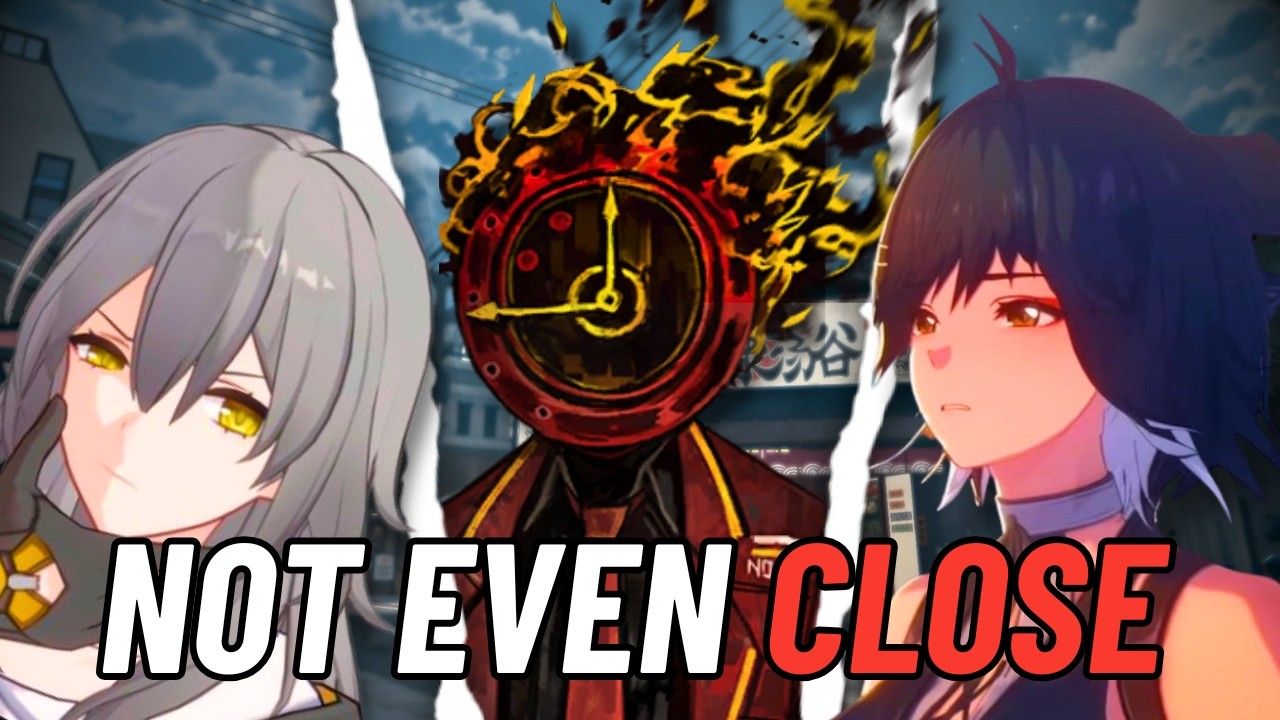

Limbus Company offers a distinct alternative to traditional gacha models by prioritizing player-friendly systems over the typical "Fear of Missing Out" (FOMO) mechanics. By removing the pressure of limited-time banners and focusing on a more transparent acquisition path, the studio provides a blueprint for a healthier player experience. This guide analyzes why this shift matters and how it redefines the expectations for modern gacha investment, focusing on long-term sustainability rather than short-term gambling traps.
Moving Beyond the 50/50 Gamble
The most significant departure in Limbus Company is the de-prioritization of the "50/50" banner system. In many industry-standard titles, the 50/50 mechanic serves as a trap designed to force spending by gambling on the chance of obtaining a specific character. Limbus Company avoids this by shifting the focus toward a more predictable acquisition model. This change is not just a quality-of-life improvement; it is a fundamental shift in how developers value the player’s time and currency.
When you remove the gamble, you remove the artificial urgency that drives impulsive spending. Instead of chasing a limited-time window, players can invest their resources with the confidence that their progress won't be invalidated by a rotating, predatory banner schedule. This approach allows for a more relaxed, strategic engagement with the game’s roster, as you are rarely forced to choose between characters based on the threat of them disappearing forever.
The Role of Community and Developer "Glazing"
The relationship between Project Moon and its player base creates a feedback loop that encourages long-term retention. By consistently listening to feedback and avoiding the "Studio Knows Best" illusion, the developers have fostered a community that feels respected. This "glazing" effect—where players willingly support the studio due to positive, non-predatory experiences—is a direct result of the game's monetization model. It proves that a game can grow based on goodwill rather than artificial scarcity.
This dynamic is essential for players looking to avoid "gacha burnout." In systems defined by constant FOMO, the pressure to keep up leads to exhaustion. In contrast, the support-driven model of Limbus Company rewards players for sticking with the game over time, as the value of the roster remains consistent. The growth curve of the game is sustained by steady, organic player investment rather than spikes of panic-spending during limited events.
Evaluating the "Perfect" Gacha Myth
While Limbus Company introduces a more player-friendly environment, it is important to understand that no gacha model is inherently perfect. The trade-off for removing the trap of FOMO is a different kind of investment: time. The game still requires a commitment to progression and learning its complex mechanics, which can be just as demanding as the financial grind in other games. Players should view this as a shift from "wallet-heavy" requirements to "engagement-heavy" requirements.
The limitation here is that the lack of artificial pressure might feel slower for players accustomed to the high-stakes adrenaline of traditional gacha systems. If you thrive on the thrill of the "pull" and the scarcity of limited-time units, this model may feel less immediately rewarding. However, for those looking for a stable, long-term experience where your roster retains its utility, the trade-off is almost universally considered a net positive.
Strategies for Sustainable Progression
To make the most of this model, prioritize long-term roster utility over chasing the "newest" meta unit. Because characters in Limbus Company are not constantly rendered obsolete by aggressive power creep or limited-time gatekeeping, your early resource investments carry significantly more weight. Focus on developing a balanced team that can handle various mechanics rather than dumping all your resources into a single unit that appears to be the current "flavor of the month."
Key Takeaways for New Players
- Ignore the FOMO: Since banners are not designed to trap you into spending, take your time to evaluate which characters truly fit your team composition.
- Invest in Utility: Focus on characters that provide consistent value across different modes, as the lack of rotation means these units will remain relevant.
- Monitor Community Feedback: Use the community-driven nature of the game to your advantage; the player base is often the best source for identifying which units provide the most reliable progression for your account.
By shifting your mindset away from the "collect everything now" mentality, you can enjoy a more stable and rewarding experience. Limbus Company demonstrates that a game doesn't need to be a constant struggle against the clock to keep its players engaged. Instead, it proves that treating players as partners in the game's growth is a far more sustainable strategy for both the studio and the community.

James Brown
James focuses on Android gaming on PC, emulator setup, controls, performance tuning, and practical troubleshooting for longer play sessions.
COMMUNITY
Player Comments
77 players commented on this guide.
I wish I had read this before upgrading the wrong thing.
The tips are practical and easy to follow.
Can you add more details about strategy in a future update?
Nice guide. I am checking the other HOT articles next.