
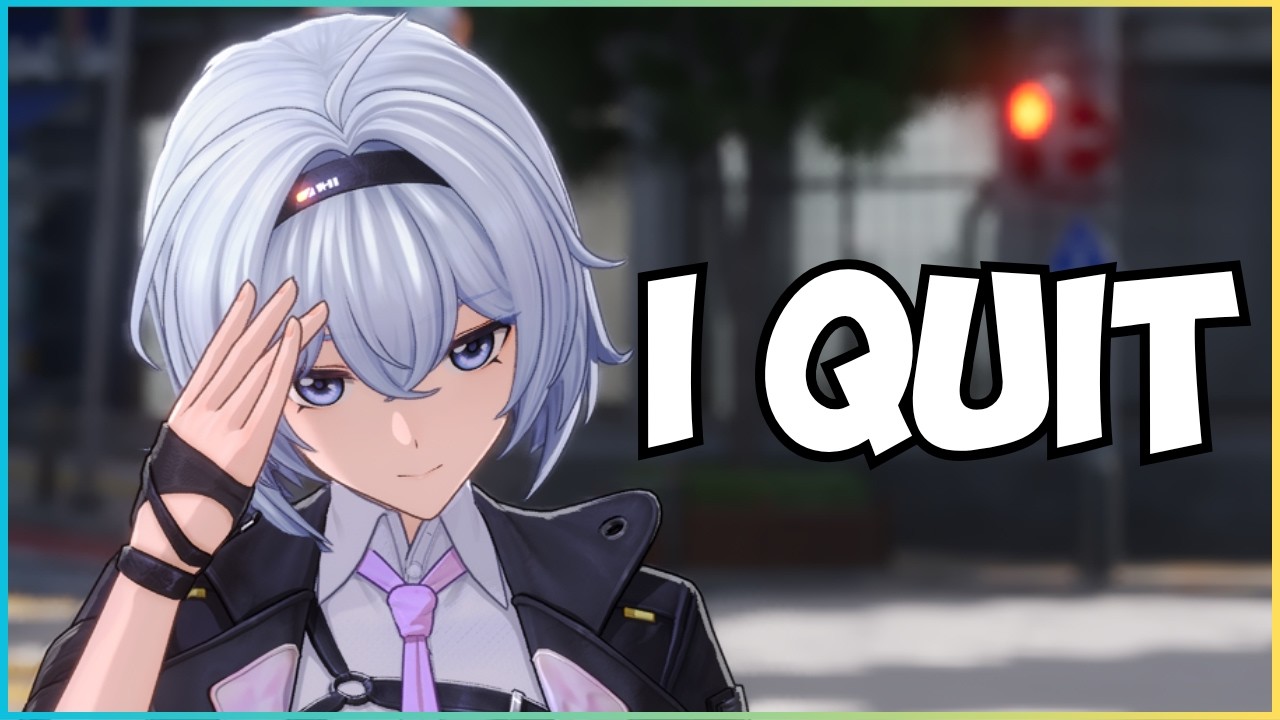

Deciding to step away from Neverness to Everness (NTE) is a significant choice for players who feel the game no longer respects their time or offers satisfying progression. While the game presents a vibrant urban open world, recurring issues with repetitive activities and the psychological pressure of gacha-based live service models can lead to rapid burnout. This guide helps you identify the warning signs of fatigue and determine if the current state of the game warrants a break or a permanent departure.
Identifying Signs of Gacha Burnout
The most reliable indicator that it is time to step back from Neverness to Everness is when daily tasks feel like an unwanted chore rather than an engaging activity. If you find yourself logging in solely to maintain a daily streak or to avoid "wasting" stamina rather than because you are enjoying the exploration or combat, you are experiencing the early stages of burnout.
Players often feel trapped by the "sunk cost" fallacy, where the time and resources invested in their current roster or account level make them hesitant to stop. Recognizing that your progress will not diminish your real-life enjoyment is the first step in reclaiming your schedule. When the excitement of pulling new characters or clearing content is consistently overshadowed by the friction of repetitive material grinding, your engagement is likely no longer sustainable.
Evaluating the Value of Daily Grinding
Neverness to Everness relies on a consistent feedback loop of daily commissions and resource-gathering missions. However, these loops often hit a plateau where the rewards no longer justify the time investment required to acquire them. Evaluate whether the game's core gameplay loop—such as traversing the city to collect currencies or engaging in standardized combat encounters—still provides a sense of discovery.
If you are only participating in these activities to prepare for future content that you aren't actually looking forward to, you are essentially working a second job. Consider whether the game’s updates provide genuine mechanical depth or simply introduce new ways to repeat the same basic actions. If the latter is true, shifting your focus to other titles or real-world hobbies can prevent the resentment that often builds up during extended periods of stagnant progression.
The Impact of Gacha Monetization on Retention
Monetization in Neverness to Everness serves as a primary driver for player retention, often using limited-time banners to create a sense of urgency. Understanding that these systems are designed to foster "Fear Of Missing Out" (FOMO) is essential for maintaining a healthy perspective. When you feel pressured to spend or save resources for specific characters just to stay competitive or relevant, the game ceases to be a casual entertainment experience.
If your enjoyment of the game is contingent on hitting specific gacha milestones, you should re-evaluate your goals. Players who find that the game’s economic structure dictates their playstyle—rather than their own curiosity about the world or narrative—often find that quitting, or at least taking a long hiatus, is the most effective way to reset their relationship with the title.
Balancing Expectations for Live Service Games
It is important to remember that Neverness to Everness is a live service product, meaning it is subject to constant updates, shifts in the meta, and changing developer priorities. A core frustration for many players is the disconnect between the game's initial promise and its eventual evolution. If the current direction of the developers does not align with what you value in an urban anime game, there is no obligation to continue playing.
Questions to Ask Before Quitting:
- Am I having fun? If the answer is no, no amount of "future potential" or "upcoming updates" should force you to stay.
- Is the grind rewarding? If you cannot name a specific goal you are excited to achieve, the grind is likely just busywork.
- Are there better alternatives? Compare the time you spend in NTE against other games that might offer more immediate satisfaction without the repetitive overhead.
Moving On to Sustainable Gaming
Stepping away from a game does not mean you have failed; it means you have identified that the product no longer serves your personal needs. Many players find that a temporary break allows them to return with a refreshed perspective, while others discover that leaving the ecosystem entirely provides a much-needed sense of relief. Prioritize your well-being over digital assets that will inevitably lose their value as you move on to new interests and experiences.

Michael Smith
Michael covers live-service games, events, reward systems, and efficient daily routines, turning frequent updates into clear actions for players.
COMMUNITY
Player Comments
146 players commented on this guide.
The explanation is clear, especially for beginners.
This helped me understand strategy much better.
I tried this today and it worked better than my old setup.
Nice guide. I am checking the other HOT articles next.