
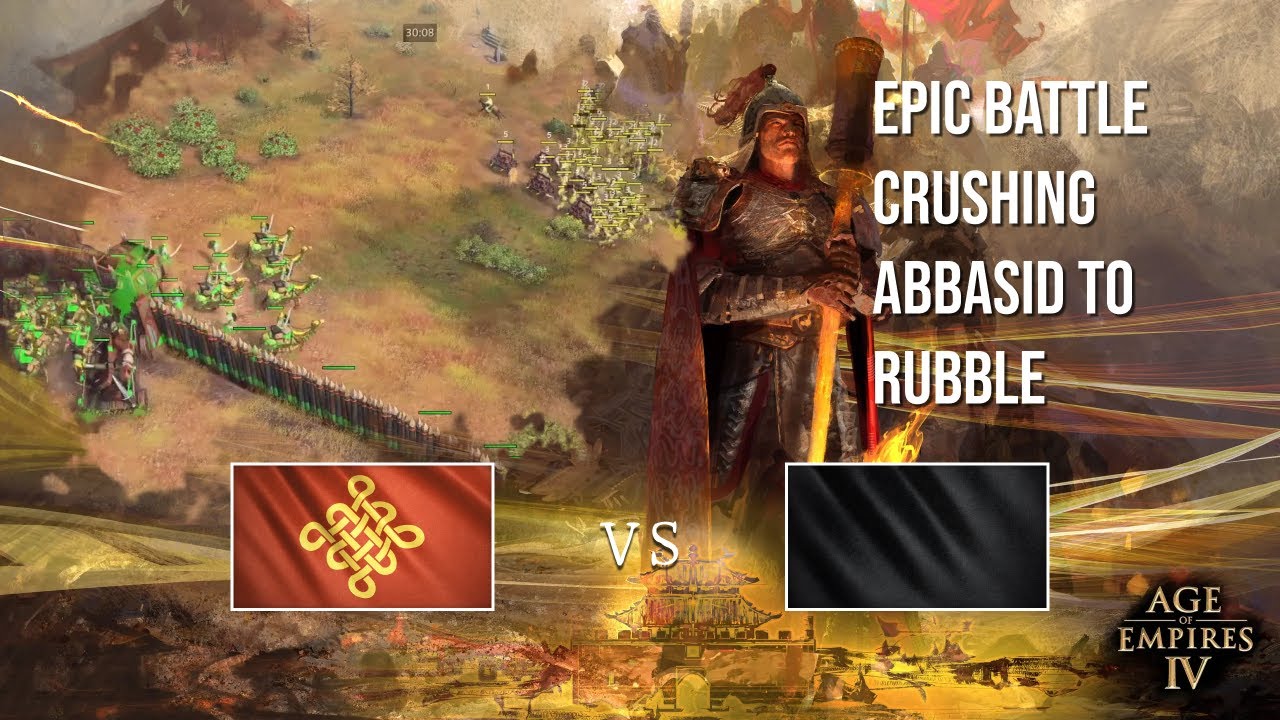

Winning as the Chinese civilization against the Abbasid Caliphate in Season 7 requires a disciplined approach to base expansion and defensive positioning. By leveraging the unique architectural advantages of the Chinese, you can stabilize your economy while absorbing the pressure of the Abbasid’s trade and infantry-heavy compositions. This guide focuses on managing the specific technological and structural transitions necessary to outlast the Abbasid mid-game, ensuring your late-game superior logistics can take full control of the ranked ladder.
Prioritizing Early Defensive Landmarks
The choice of landmarks for the Chinese civilization is the foundation for surviving the Abbasid Caliphate's early aggression. When playing against Abbasid, your priority is to secure a defensive posture that prevents them from raiding your villagers effectively. The Barbican of the Sun is often the superior choice in the early stages, as it provides a significant defensive boost to your wood lines or gold mines, forcing the Abbasid player to commit more resources than they would prefer to break your perimeter.
Focusing on the Barbican early allows you to transition into the mid-game without sacrificing your economy to harassment. By positioning this structure near key resource nodes, you create a "safe zone" that forces the Abbasid player to either delay their own economic growth to build rams or risk heavy losses to your towers. This creates a psychological advantage, as the Abbasid player must constantly weigh the cost of a failed push against the benefits of their own trade-based economy.
Neutralizing Abbasid Trade and Economic Scaling
The Abbasid Caliphate relies heavily on the Golden Age mechanic and trade routes to scale into the late game. As the Chinese player, you must actively disrupt these supply lines. If you allow the Abbasid to establish a protected trade route, they will quickly out-produce you in the castle age. Use your scouts to identify the location of their markets early, and prioritize building light cavalry or archers to harass these paths before they become fortified with towers.
While the Abbasid player focuses on maximizing their trade income, you should leverage the Chinese tax collection system to supplement your resource pool. Efficiently managing your Imperial Officials ensures that your gold income remains steady, even when your main gold mines are exhausted or under threat. This allows you to maintain a high level of unit production, effectively matching the Abbasid’s numbers while keeping your own technological progression on track.
Managing Mid-Game Military Transitions
Abbasid military compositions often feature a mix of archers and spearmen, occasionally bolstered by camel units. To counter this, you must transition your unit composition to include specialized counters before the Abbasid player hits their peak power spike. Utilizing the Chinese Zhuge Nu is highly effective early on, but you must pivot toward crossbowmen and horsemen as the Abbasid player adds camel units, which deal bonus damage to cavalry.
Maintain a flexible production queue, ensuring that you are not over-investing in infantry if the Abbasid player is focusing on mounted units. The key to this matchup is not winning every single engagement, but rather preventing the Abbasid player from gaining significant ground. If you can force the Abbasid player to waste resources on constant skirmishes while you maintain a stable, fortified home base, you will eventually outscale them as you reach the later stages of the game.
Scaling into the Late Game
The transition into the late game is where the Chinese civilization holds a distinct advantage over the Abbasid Caliphate. By this point, your focus should shift toward fully utilizing the Chinese unique units and superior siege capabilities. Nest of Bees and heavy cannons provide the necessary firepower to break through Abbasid defensive lines, which are often built around large clusters of production buildings and markets.
Always aim to secure map control by moving your defensive structures forward as you expand. Replacing your initial defensive landmarks with a series of keeps creates a solid frontline that the Abbasid player will struggle to penetrate. By the time you reach the late game, the combination of superior Chinese defensive architecture and high-output siege weaponry should render the Abbasid’s earlier economic advantages obsolete, securing a steady path to victory in your ranked grind.

Emily Johnson
Emily writes practical mobile strategy guides with a focus on resource planning, base progression, and the early decisions that shape a long-term account.
COMMUNITY
Player Comments
54 players commented on this guide.
I tried this today and it worked better than my old setup.
The tips are practical and easy to follow.
Nice guide. I am checking the other HOT articles next.
I wish I had read this before upgrading the wrong thing.