
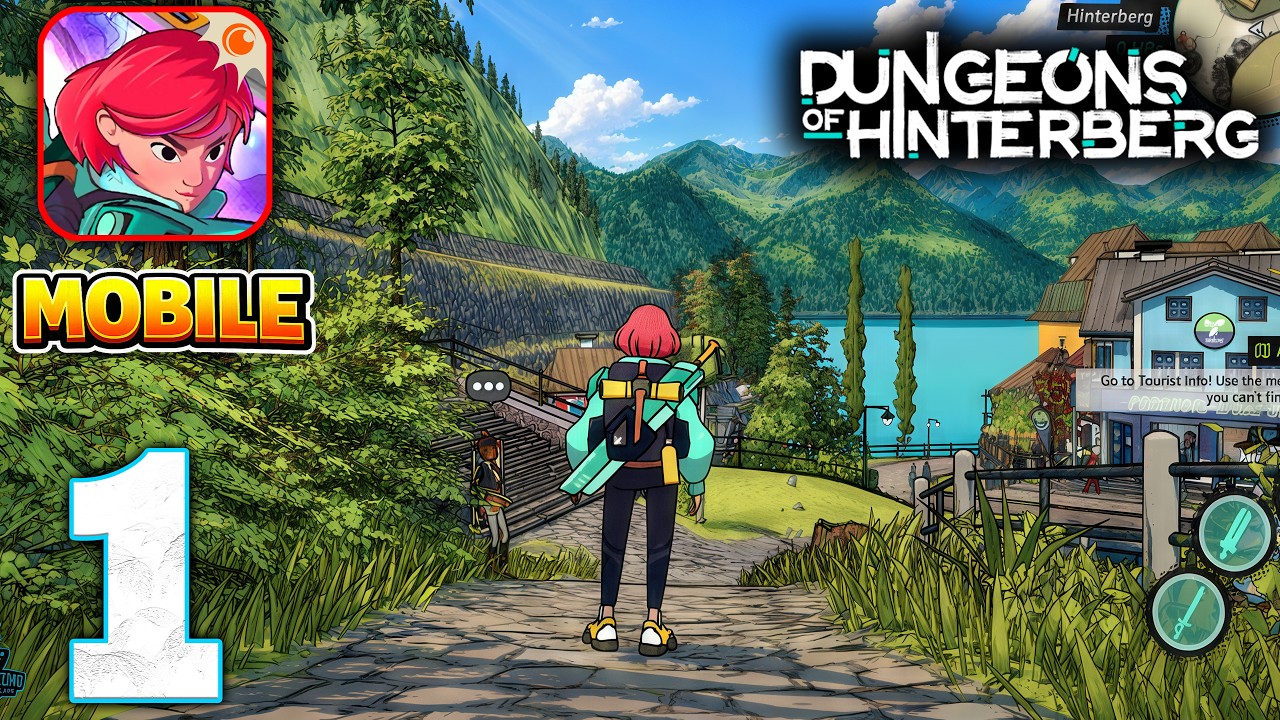

To succeed in Dungeons of Hinterberg, you must master the synergy between fast-paced melee combat and the strategic use of magical abilities within environmental puzzles. As a law trainee turned monster-slayer, your progression depends on your ability to navigate the alpine village of Hinterberg by day and build essential social bonds by night. This guide focuses on integrating these two pillars to maximize your efficiency during your initial dungeon runs.
Mastering Early Combat Mechanics
Combat in Dungeons of Hinterberg relies on fluid, hack-and-slash mechanics that reward aggression and spatial awareness. Your primary tool is your sword, which serves as the core of your offensive output. When engaging mythical creatures, prioritize dodging incoming attacks to maintain your health pool, as the game emphasizes mobility over tanking hits.
To optimize your combat flow, keep these priorities in mind:
- Targeting: Focus on isolated enemies to avoid being swarmed, especially in narrow dungeon corridors.
- Mobility: Utilize the dash mechanic to reposition behind enemies, creating openings for backstabs or chain attacks.
- Pacing: Do not overcommit to long attack strings if you see an enemy winding up an interrupt attack; reset your position and wait for a clear opening.
Navigating Environmental Puzzles
Dungeons are not just arenas; they are complex environments that require magical intervention to traverse. You will frequently encounter barriers or gaps that cannot be cleared with standard movement. Using your magical abilities is mandatory to interact with the environment, such as activating platforms or manipulating objects to create paths across chasms.
When you reach a stalled area, analyze the environment for interactive triggers. These puzzles often require you to aim your magical effects at specific nodes or switches. If you find yourself stuck, look for color-coded elements or distinct architectural features that suggest an interaction point. Mastering these early puzzles is essential for unlocking the shortcuts and treasure chests hidden throughout the alpine landscape.
Integrating Magic Into Combat
Beyond exploration, your magic serves as a critical combat utility. Many enemies possess specific weaknesses that can be exploited by triggering environmental hazards or using magical effects to disrupt their patterns. For example, using a magical ability to knock an enemy back or stun them provides a window of opportunity to land heavy sword combos without risk of retaliation.
The most effective players view their magical tools as extensions of their weapon kit rather than separate systems. If an enemy is shielded or protected by distance, use your magic to strip their defenses before closing the gap for melee strikes. Balancing your energy for magic against your physical stamina is the hallmark of an efficient dungeon crawler.
Balancing Dungeon Exploration and Social Life
The game structure forces a choice between high-stakes dungeon crawling and low-stress social interaction. While it is tempting to spend every moment clearing monsters, your evenings in the village are vital for character development. Socializing at the local pub with NPCs is not just narrative fluff; these interactions are central to your progression as a trainee.
Managing your time effectively means:
- Dungeon Phase: Dedicate your daylight hours to clearing primary objectives and gathering resources within the dungeons.
- Social Phase: Use your evenings to build relationships. These bonds often provide narrative context and potentially open up new opportunities or gear upgrades that make your next dungeon run easier.
Managing Progression Limitations
Be aware that your growth in Hinterberg is gated by these distinct activity cycles. You cannot power-level your combat abilities indefinitely without engaging with the social side of the game. If you feel underpowered during a dungeon fight, check your social progress; you may be missing out on key upgrades or information that only becomes available after building better rapport with the villagers.
Always prioritize the main dungeon objectives early in your session to ensure you have enough time left in the game day to unwind. By alternating between the intensity of combat and the downtime of socializing, you ensure that Luisa is prepared for the increasingly difficult challenges presented by the deeper, more complex sections of the Alpine dungeons.

James Brown
James focuses on Android gaming on PC, emulator setup, controls, performance tuning, and practical troubleshooting for longer play sessions.
COMMUNITY
Player Comments
133 players commented on this guide.
I wish I had read this before upgrading the wrong thing.
This helped me understand strategy much better.
The tips are practical and easy to follow.
Good guide for HOT players. The strategy part was useful.