
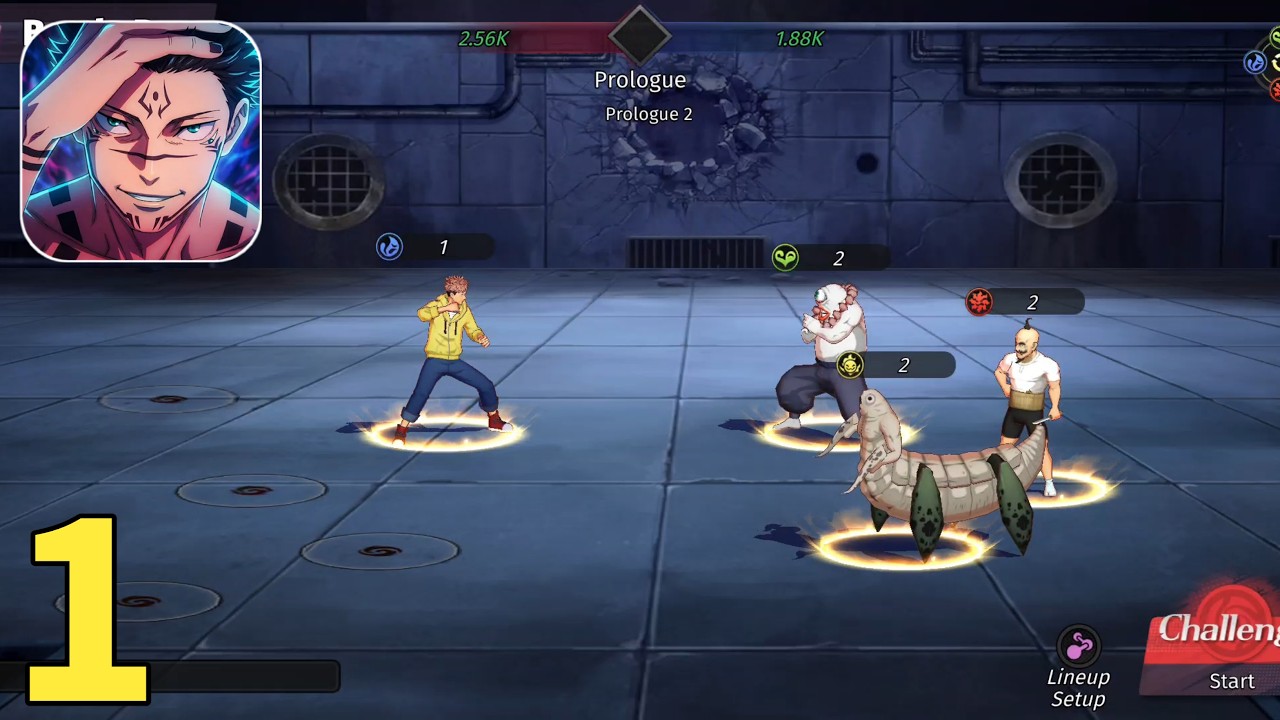

To dominate the occult underworld in Jujutsu: Malevolent Shrine, you must move beyond basic attacks and focus on the synergy between frontline brawlers and backline occultists. Success in this 5v5 turn-based tactical RPG depends on your ability to manage the "Anima" flow and trigger high-damage phenomena during critical combat windows. This guide breaks down the essential mechanics required to navigate the Shibuya Blackout conspiracy and emerge victorious against the game’s most challenging anomalies.
Mastering the Anima Flow
In Jujutsu: Malevolent Shrine, combat is governed by the flow of Anima. Rather than treating each turn as an isolated event, you must manage your team's energy as a collective resource. Effective players position durable brawlers in the frontline to absorb incoming damage while ensuring backline occultists have enough time to complete their incantations.
If your brawlers fall too quickly, your occultists become vulnerable targets. Always prioritize defensive formations that allow your high-tier damage dealers to maintain their casting rhythm. When you notice the enemy focusing fire on a single unit, rotate your frontline positions to distribute the damage, ensuring your spellcasters can sustain their output throughout the encounter. Understanding the cooldowns and Anima requirements of your team is the first step toward mastery; always ensure you have a surplus of Anima before initiating a major assault.
Executing the Black-Spark Phenomenon
The Black-Spark is your primary tool for overcoming high-defense enemies or turning the tide against boss-level anomalies. This mechanic triggers when you land a precision strike at the exact microsecond of energy convergence. Unlike standard attacks, a successful Black-Spark multiplies your damage output significantly, providing a high-risk, high-reward window that can shatter enemy defenses in a single turn.
To consistently trigger this, observe the visual cues during the energy convergence phase. The game rewards frame-perfect timing, so practice your input during standard skirmishes before attempting it in high-stakes story missions. Missing the timing results in a standard hit, making it vital to wait for the visual indicator rather than spamming attacks blindly. If you are struggling with the timing, focus on the rhythm of the battle; the visual flash often coincides with the climax of the character’s animation.
Strategic Use of Dominion Breaks
Every character possesses a unique "Dominion Break," an ultimate ability that fundamentally alters the battlefield. These abilities do more than just deal damage; they overwrite the physical world to create conditions that force enemies to comply with your rules. Because Dominion Breaks grant absolute buffs and shift the environment, they are best reserved for the climax of a battle.
Do not waste your Dominion Break on minor mobs. Instead, save these powerful shifts for when you need to bypass a boss's immunity or stabilize a failing frontline. Using a Dominion Break at the right moment can effectively reset a losing fight, granting you the necessary buffs to overwhelm the opposition while they are trapped in your manifested domain. Think of the Dominion Break as a "checkmate" button—use it only when the conditions for victory are within reach.
Team Composition and Synergy
While individual characters are powerful, the 5v5 format rewards those who build balanced squads. You should always pair units that complement each other's Anima consumption rates. If your brawlers require high energy to perform their tanking maneuvers, ensure your occultists have support-based incantations that restore Anima or provide defensive shields.
Avoid running a team consisting solely of high-damage dealers. Without a dedicated frontline to provide the necessary space for incantations, you will find yourself unable to trigger the Black-Spark phenomenon, which is essential for end-game progression. Experiment with different character combinations in the early chapters to identify which specific synergies allow you to clear missions with the most health remaining, as this will be your benchmark for success in harder difficulties. A common mistake is ignoring the utility roles; a well-timed support incantation is often worth more than an extra damage-dealing skill.
Navigating the Gritty Noir Narrative
Beyond combat, the game is driven by a noir-inspired story centered on the "Shibuya Blackout." As you progress, you will encounter moral grey zones that require you to make decisions regarding Tokyo’s occult underground. These choices affect how secret societies interact with your squad, often dictating which resources or tactical opportunities become available to you in later stages.
Keep track of the clues you uncover during mission dialogue. The narrative is not just flavor text; it often hints at the weaknesses of the anomalies you will face in upcoming combat zones. By paying attention to the lore, you can better anticipate which characters or elemental types will be most effective against the specific threats tied to the conspiracy. Treat the story mode as a training ground for gathering resources, and always prioritize upgrading your main squad before attempting the most difficult story nodes.
Common Mistakes to Avoid
Many new players fall into the trap of over-committing to a single character. While leveling up a "carry" unit is helpful, Jujutsu: Malevolent Shrine is designed to punish teams that lack diversity. If your primary damage dealer is countered by an enemy's elemental immunity, you need a secondary damage type ready to take over.
Furthermore, do not neglect the "Anima regeneration" stats on your gear. Even the most powerful occultists will become useless if they are constantly starved of energy. Focus your equipment upgrades on efficiency and sustainability, ensuring that your team can survive extended fights. Finally, remember that positioning is as important as your character's stats. Moving a unit one tile to the left can prevent a devastating area-of-effect attack from hitting your entire backline. Master these fundamentals, and you will find the path through the Shibuya Blackout much clearer.

Michael Smith
Michael covers live-service games, events, reward systems, and efficient daily routines, turning frequent updates into clear actions for players.
COMMUNITY
Player Comments
91 players commented on this guide.
Good guide for HOT players. The strategy part was useful.
The explanation is clear, especially for beginners.
I wish I had read this before upgrading the wrong thing.
Can you add more details about strategy in a future update?