
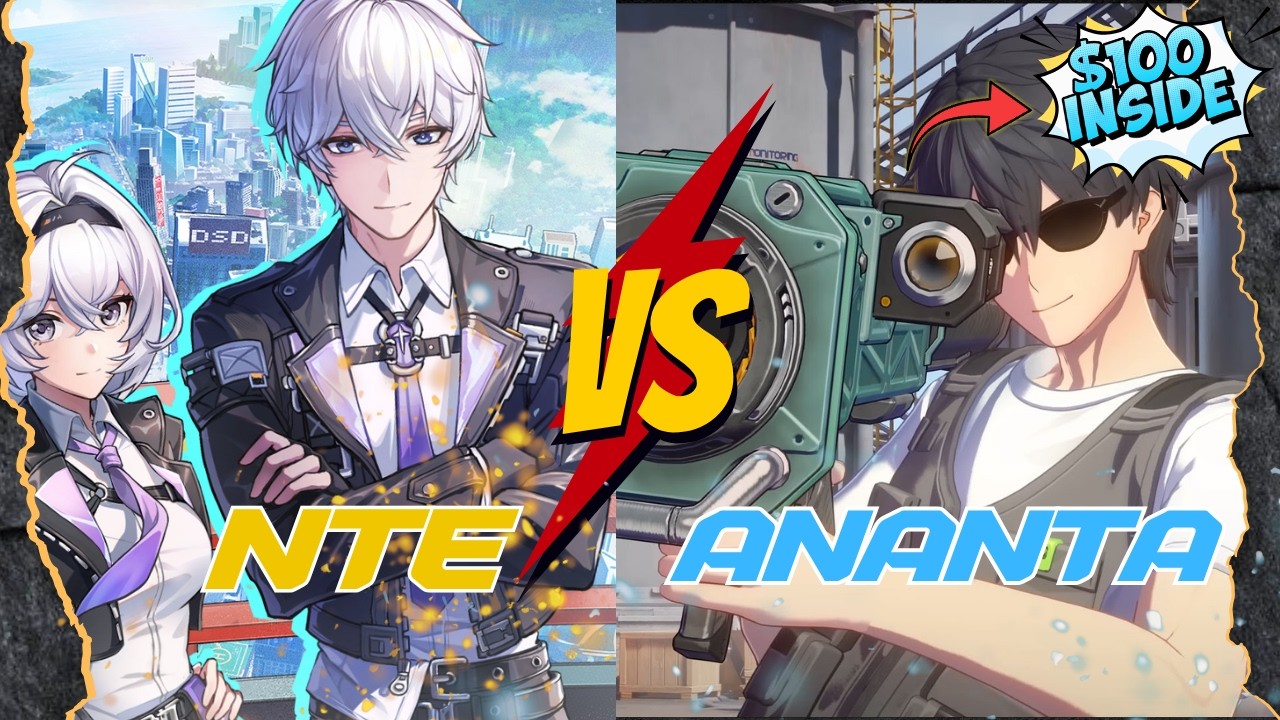

Choosing between Neverness to Everness (NTE) and Ananta requires balancing the immediate gratification of a live-service anime world against the long-term potential of a non-gacha urban RPG. While NTE offers a tangible experience with active updates like the Version 1.1 "Dreamwalk Corridor," Ananta appeals to players seeking a structural shift in monetization. This breakdown helps you decide where to commit your time and resources based on current developer performance and release trajectories.
Evaluating NTE’s Live Service Momentum
Neverness to Everness is currently the more viable choice for players who want a polished, active environment. With the recent launch of the Version 1.1 "Dreamwalk Corridor" update, the developers have demonstrated a clear commitment to consistent content delivery. This update introduced significant additions, including the Sunward Island location, a new story chapter, and the introduction of characters like Lacrimosa.
For players prioritizing a living world, NTE provides immediate value. The inclusion of real-world brand collaborations, such as the Porsche 918 Spyder event, signals a high-production-value approach to live-service management. If your primary goal is to engage with a game that already has a established rhythm of updates, bug fixes, and seasonal content, NTE currently holds the advantage in terms of proven infrastructure and developer output.
Assessing Ananta’s Non-Gacha Proposition
Ananta represents a specialized investment for players weary of traditional gacha systems. The core appeal of this title lies in its promise of an urban open-world experience that eschews character gacha in favor of cosmetic-only monetization. For many in the Western market, this is a significant departure from standard industry practices and serves as a major draw for those looking to avoid the "pay-to-win" or "pull-to-progress" cycles common in the genre.
However, because the title is still largely defined by its promises rather than live, playable content, your decision to support it should be viewed as a long-term play. While the traversal mechanics—often compared to an "anime GTA" mixed with Spider-Man-style mobility—sound compelling on paper, the lack of a current, playable build means you are essentially betting on the developer’s ability to deliver on these high-concept features without the safety net of gacha revenue to fund ongoing development.
Comparing Monetization and Developer Trust
The divergence in monetization models is the most critical factor for your wallet. NTE utilizes the industry-standard gacha model, which requires careful resource management and strategic pulling to maximize your roster. If you are comfortable with this system and enjoy the thrill of character collection, the established framework of NTE makes it easier to predict your long-term costs.
Conversely, Ananta’s cosmetic-only model is designed to foster player trust by separating gameplay power from financial expenditure. This is a high-risk, high-reward model. While it is more consumer-friendly, it places immense pressure on the developers to maintain a massive player base to fund the game's survival through skins and battle passes alone. Consider which model fits your personal budget and your tolerance for potential service instability.
Strategic Endgame and Long-Term Engagement
Your choice between these two titles should ultimately depend on what you seek from an "endgame." NTE is building its hook through a mix of anomaly hunting and urban exploration, creating a loop that rewards consistent daily engagement with new story segments and rotating event content. It is designed to keep you busy with recurring tasks that feel integrated into the game's setting.
Ananta’s endgame potential remains theoretical, relying on the quality of its world-building and the satisfaction of its movement mechanics. If you prioritize a game that feels like a complete, cohesive world where your investment is purely cosmetic, Ananta is the title to watch. However, if you prefer a game that challenges you to optimize teams and build characters over months of sustained play, the established path of NTE remains the more reliable, albeit more expensive, option.
Final Verdict for Players
If you are looking for a game to play today, NTE is the clear winner. Its active development cycle and established, albeit traditional, monetization allow you to dive into a feature-rich experience immediately. Use your time in NTE to enjoy the current "Dreamwalk Corridor" content while keeping a close watch on Ananta’s development updates. Only commit to Ananta once the developers demonstrate that their ambitious non-gacha model can support the high-fidelity, open-world experience they have promised.

Sarah Williams
Sarah specializes in RPG and collection games, explaining team building, character growth, and beginner-friendly ways to avoid expensive early mistakes.
COMMUNITY
Player Comments
100 players commented on this guide.
This saved me time in the early game.
Can you add more details about strategy in a future update?
I wish I had read this before upgrading the wrong thing.
I tried this today and it worked better than my old setup.