
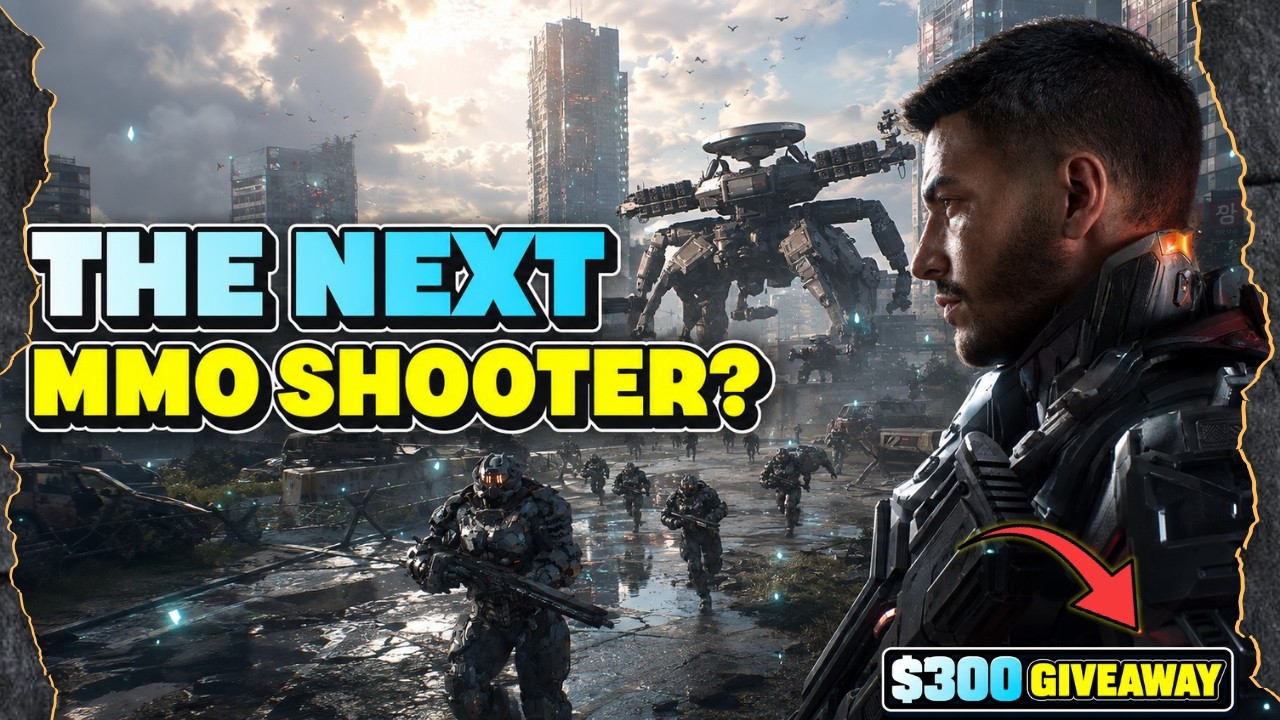

Cinder City represents a significant leap in scale for tactical shooters, requiring players to prepare their hardware for its high-fidelity, open-world MMO structure. Because the game is currently in pre-alpha, current hardware benchmarks—specifically the 32GB RAM requirement—are the most critical barrier for prospective players. Before diving into the tactical combat of this alternate-history Seoul, you must evaluate whether your current PC build can handle the memory-intensive load of the game’s complex, shared-world assets.
The 32GB RAM Requirement Explained
The most striking technical detail from the current pre-alpha build is the recommendation of 32GB of RAM. In most modern shooters, 16GB is the standard threshold for stable performance, but Cinder City’s design suggests it aims to push memory limits significantly further. This requirement is likely driven by the game’s massive, persistent open world, which must handle a high density of player entities, sophisticated tactical equipment, and dynamic environments simultaneously.
If you are running a system with only 16GB of RAM, you may face severe performance degradation. This manifests as stuttering during intense combat sequences or long loading times when transitioning between the game’s shared-world zones and specialized mission areas. While future optimization phases prior to the official release could lower this ceiling, players looking to guarantee a smooth experience should treat 32GB as a necessary target for their hardware budget.
Tactical Combat and Equipment Mechanics
Cinder City distinguishes itself through a third-person, cover-based tactical system that emphasizes survival and resource management over twitch-reflex aiming. Players engage in a variety of combat scenarios ranging from solo hero campaigns—which focus on narrative progression—to shared-world PvE sessions. Your success in these modes depends heavily on how you utilize tactical gear, as the game’s difficulty is balanced around the effective deployment of equipment in a persistent, potentially hazardous environment.
Because the game features a gear-driven progression loop, your choice of weaponry and defensive tools will dictate how you tackle high-level content. Loot plays a pivotal role, and the ability to scavenge and maintain your loadout is essential for surviving the game’s more difficult raids and world boss encounters. Managing your inventory effectively is not just a side activity; it is a core survival mechanic that requires constant attention during your exploration of the devastated Seoul.
Navigating the Shared MMO World
The game functions as a hybrid experience, blending individual progression with a massive, shared-world MMO environment. This structure allows players to form groups for challenging PvE content, including complex dungeons and raid-style encounters. The world is built to host many players at once, which contributes to the high hardware overhead; the engine must synchronize the positions, gear, and combat actions of multiple users in real-time, placing a massive strain on system memory and CPU processing.
When playing in the shared world, you should prioritize upgrading your gear to match the difficulty of the specific zone you are traversing. The game encourages co-op play, and the presence of vehicles—including helicopters and heavy-duty power-loader mechs—suggests that the game expects players to engage in large-scale travel and combat. These vehicles likely load massive chunks of data into memory, reinforcing why the 32GB RAM requirement is so strictly suggested by the developers for a stable experience.
Monetization and Future-Proofing
While Cinder City is still in development, the monetization model remains a critical point of uncertainty for potential players. As of the current pre-alpha phase, developers have not fully disclosed how they will handle microtransactions or battle passes. For players, this implies that you should be cautious about investing heavily in the game’s early access cycles until the final business model is confirmed. A fair, transparent model is essential for a game that aims for long-term retention.
Beyond the hardware hurdles, the game's success will likely hinge on the polish of its combat systems and the depth of its long-term content roadmap. Whether you are a fan of solo campaign narratives or large-scale, co-op raid boss hunting, your best approach is to wait for further performance optimization updates. While the 32GB RAM requirement is daunting today, official optimizations closer to the final release date may eventually provide a more accessible entry point for players on mid-range hardware.

James Brown
James focuses on Android gaming on PC, emulator setup, controls, performance tuning, and practical troubleshooting for longer play sessions.
COMMUNITY
Player Comments
70 players commented on this guide.
This helped me understand strategy much better.
The explanation is clear, especially for beginners.
Nice guide. I am checking the other HOT articles next.
Can you add more details about strategy in a future update?