
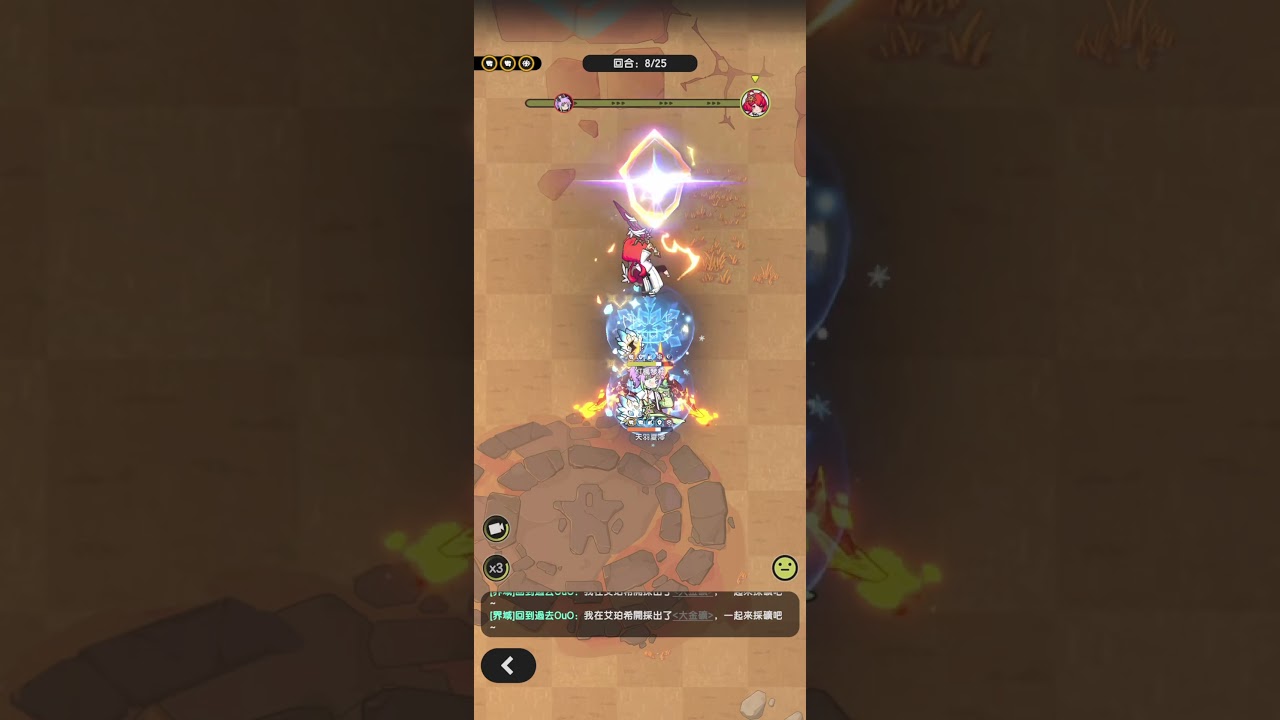

To win a Knight versus Knight mirror duel in Sword x Staff, prioritize active barrier cycling over passive armor stacking. Mirror duels are battles of attrition decided by defensive uptime and counter-attack timing rather than raw burst damage.
Stagger Defensive Barriers
Passive armor and flat damage mitigation lose effectiveness against defense-shredding skills and damage-over-time effects. Active shields provide temporary health pools that absorb damage without depleting your actual health bar.
Do not activate all defensive skills at once. Stagger your barriers using these rules:
- Wait for shield breakage: Deploy your secondary barrier only after your initial shield expires or absorbs its limit. Overlapping defensive buffs wastes valuable cooldown uptime.
- Buffer telegraphed attacks: Save secondary protection skills to absorb visible enemy skill animations rather than spending them during neutral basic attacks.
- Conserve offensive bursts: If the opponent activates a major defensive shield, cease skill-based offensive combos. Use basic attacks until their protection expires, then deploy your primary damage abilities directly against their unshielded health.
| Match Phase | Immediate Action | Tactical Goal |
|---|---|---|
| Opening Exchange | Deploy low-cost debuff and first shield | Absorb initial burst and observe the rival's skill cadence |
| Mid-Fight Attrition | Stagger secondary barrier skills | Maintain continuous barrier coverage without skill overlap |
| Counter-Window | Unload primary damage combos | Deal unmitigated damage the moment the enemy barrier drops |
| Late Arena Phase | Deploy crowd control and percentage effects | Bypass arena healing decay and disrupt skill activations |
Managing Sustained Bleed and Arena Fatigue
Extended Knight duels routinely push past the two-minute mark. At this stage, arena fatigue mechanics begin reducing incoming healing effectiveness while accelerating overall match damage.
Relying heavily on pure healing abilities creates a disadvantage in the late phase, as healing returns degrade much faster than barrier capacity. To sustain through bleed stacks and defense-ignoring damage:
- Use skills that cleanse negative status effects before bleed stacks multiply.
- If your build lacks cleanses, increase attack speed to cycle through defensive barrier cooldowns faster than passive damage ticks can deplete your health.
- Apply continuous offensive pressure to force the opponent into reactive shielding rather than stacking lingering debuffs.
Companion and Relic Priorities
Companions providing flat attack stats offer minimal return against high-defense Knight opponents. Mirror matches favor utility effects and percentage-based scaling:
- Pet Utility: Select companions that trigger automatic shields or cleanses at low health thresholds. Dispel effects help strip opposing buffs at critical moments.
- Relic Scaling: Equip relics that apply vulnerability debuffs or percentage-based damage over time to cut through massive health pools. Relics that trigger passively allow you to focus entirely on watching your opponent's cooldown cycle.
- Sub-Stat Allocation: Maintain adequate hit rate and crowd control resistance. Missing a key shield breaker or crowd-control interrupt allows the opposing Knight an uncontested window to reset their rotation.

Sarah Williams
Sarah specializes in RPG and collection games, explaining team building, character growth, and beginner-friendly ways to avoid expensive early mistakes.
COMMUNITY
Player Comments
62 players commented on this guide.
This helped me understand strategy much better.
I tried this today and it worked better than my old setup.
Can you add more details about strategy in a future update?
I wish I had read this before upgrading the wrong thing.