
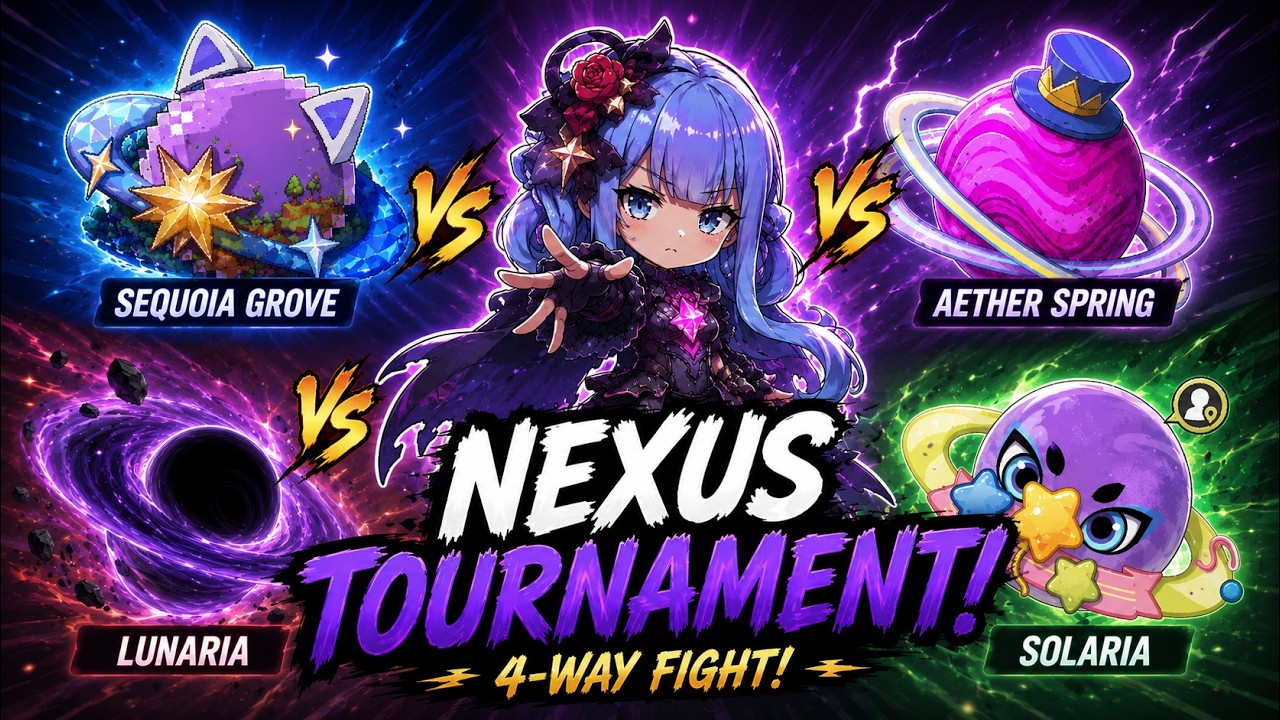
To succeed in the competitive landscape of the Sword x Staff Nexus Tournament, players must look beyond basic stats and focus on tactical combat awareness. This guide outlines how to utilize the cross-server tournament format to refine your build, the importance of scouting opposition divisions, and how to effectively integrate auto-heal systems to sustain your character during prolonged high-stakes player-versus-player engagements.
Understanding the Nexus Tournament Structure
The Nexus Tournament represents the pinnacle of competitive play in Sword x Staff, serving as a cross-server battleground where the strongest players congregate. Unlike standard dungeon content, this mode highlights the necessity of adaptability against diverse, human-controlled builds. Understanding the tournament flow—from preliminary rounds to the grand finals—is essential for players looking to analyze the current meta and observe how top-tier builds perform under pressure.
Participation in these events is not just about the final ranking; it serves as a massive learning opportunity. By observing the preliminary fights and rewatching high-level matchups, you can identify which character synergies are currently dominating the leaderboards. Pay close attention to how finalists manage their spacing and skill cooldowns, as these maneuvers are often what distinguish the top competitors from the rest of the pack in a cross-server environment.
Scouting Opponents and Division Analysis
Scouting is a critical component of tournament preparation that many players overlook. Before committing to a match or placing bets on outcome-based rewards, you should inspect the division rosters. By evaluating the gear sets and class compositions within your bracket, you can better predict the flow of combat and identify potential weaknesses in your own strategy before you ever step into the arena.
When scouting, look for patterns in how other players distribute their offensive and defensive stats. If you notice a trend toward a specific build archetype within your division, you can pivot your own gear or skill loadout to counter those specific threats. This proactive approach to tournament management ensures that you aren't walking into a fight blind, giving you a distinct psychological and tactical advantage when the match begins.
Utilizing Auto-Heal Mechanics in PvP
One of the most vital technical takeaways from the Nexus tournament is the effectiveness of the auto-heal system during intense combat sequences. Many players mistakenly believe that manual control is always superior, but the game's auto-heal logic is highly efficient at sustaining HP thresholds during rapid-fire exchanges. When your character’s health drops during a high-pressure skirmish, relying on these built-in mechanics can prevent unnecessary deaths while you focus on positioning and skill execution.
Integrating auto-heal effectively requires testing your character’s survivability in controlled scenarios before entering the tournament. You must ensure your stats are optimized for the auto-heal to trigger at the correct intervals without sacrificing your overall damage output. By trusting the automated systems to handle your recovery, you free up your mental bandwidth to focus on timing your own crowd-control abilities and offensive rotations, which is often the difference-maker in 3rd-place playoffs and grand final matchups.
Analyzing High-Level Matchups for Meta Shifts
The rewatch function is your best tool for long-term progression. The footage from semi-final and final matches provides a masterclass in how specific class archetypes interact in a competitive setting. By watching how "Block" or "Immortal" class builds trade blows, you can discern which skills are being prioritized for burst damage versus those used for mitigation. This observation allows you to iterate on your own character build to match the evolving requirements of the season.
Use the following checklist when reviewing tournament footage to improve your future performance:
- Cooldown Management: How often do top players hold their ultimate skills versus dumping them immediately?
- Positional Discipline: Do they prioritize keeping distance from melee attackers, or do they aggressively close the gap?
- Skill Synergy: Which secondary skills are being used to peel for the main damage dealer?
- Resource Expenditure: Are winners focusing on sustained damage or high-cooldown burst windows?
Preparing for Future Tournament Cycles
To excel in subsequent Nexus events, you must treat every tournament as a data-gathering exercise. If you are not yet ready to compete for the top spots, use the betting systems provided in the tournament interface to earn rewards while you observe. Participating in the betting process forces you to learn the strengths and weaknesses of top-tier players, which is a low-risk way to gain high-level insights.
Once you have gathered enough intel on your opponents and the current meta, begin adjusting your build in the "off-season." Whether it is farming specific gear for better survivability or switching your class specialization to counter common tournament builds, the tournament acts as a roadmap for your progression. Your goal should be to bridge the gap between your current power level and the elite competitors you observe in the finals by consistently applying these tactical refinements.

James Brown
James focuses on Android gaming on PC, emulator setup, controls, performance tuning, and practical troubleshooting for longer play sessions.
COMMUNITY
Player Comments
27 players commented on this guide.
Good guide for HOT players. The strategy part was useful.
The explanation is clear, especially for beginners.
This helped me understand strategy much better.
Nice guide. I am checking the other HOT articles next.