
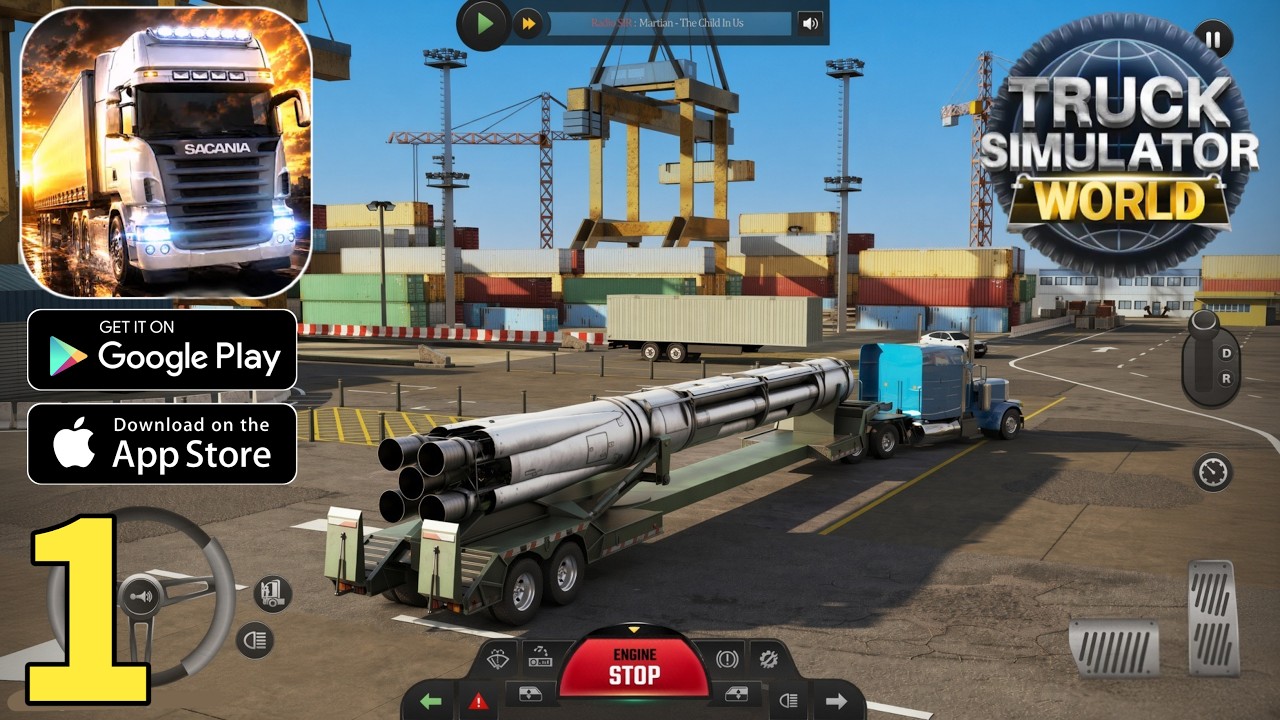

To build a profitable transport company in Truck Simulator: World, start by completing low-risk, short-distance delivery contracts from your headquarters to establish initial capital. Reinvest your profits through the dealership menu to acquire European or American trucks suited to your primary delivery routes, and prioritize technical engine and handling upgrades in the garage over cosmetic modifications.
Securing Capital with Early Cargo Contracts
Your initial progression relies on accumulating steady payout from the contract board at headquarters. Selecting the right jobs minimizes operational expenses and speeds up early fleet growth.
- Select High Payout-to-Distance Ratio Jobs: Compare contract earnings against total destination distance. Pick jobs that yield the highest return per kilometer to maximize income over fixed play sessions.
- Prioritize Local Deliveries Early: Short routes reduce exposure to traffic hazards, vehicle wear, and unexpected fuel depletion. Finishing these lower-risk jobs reliably builds your reserve funds without costly repairs.
- Protect Delivery Profit Margins: Avoid vehicle damage and traffic penalties during transit, as post-delivery repair bills directly reduce the capital needed for your next investment.
Purchasing European vs. American Rigs
Once you save enough income from local runs, check the dealership menu to buy your next vehicle. Match your truck selection to the route types you take most often.
| Vehicle Type | Key Handling Trait | Recommended Route Focus |
|---|---|---|
| American Trucks | Superior long-haul highway stability | High-speed, long-distance interstate routes |
| European Trucks | Enhanced maneuverability in tight spaces | Dense city centers and narrow industrial zones |
Review performance statistics in the dealership before purchasing. Acquiring specialized trucks for specific contract types ensures your vehicles deliver a solid return on investment.
Garage Upgrades and Rig Maintenance
Vehicle customization takes place in the garage menu and is split between technical performance parts and visual accessories. Prioritize functional parts that directly increase haul capacity and efficiency.
Technical Performance (High Priority)
- Engine Power: Increases towing strength, allowing your rig to haul heavier loads up steep roads without speed loss.
- Transmission Systems: Improves gear shifts, helping maintain control and optimizing fuel usage over long distances.
- Braking Efficiency: Reduces stopping distance, protecting heavy cargo during sudden traffic stops or unexpected obstacles.
Visual Upgrades (Optional)
- Paint jobs, exterior lights, and cabin accessories add cosmetic customization but offer no mechanical performance gains. Save currency for these items only after securing your performance upgrades.
Perform a status check on your truck in the garage menu after major hauls. Keeping up with regular maintenance ensures mechanical wear does not negate the efficiency gains of your installed upgrades.
Managing Open-World Route Planning
Navigating open-world logistics efficiently requires pre-trip preparation before leaving headquarters.
- Review the Route Map: Open your map before departing to check distance, road topography, and potential traffic bottlenecks.
- Identify Fuel Stations: Plan refuel stops along long-distance highways to avoid stalling mid-delivery, which incurs heavy recovery fees.
- Adjust for Conditions: Drive cautiously through dense urban traffic and industrial zones to protect cargo condition, saving higher speeds for open highway stretches.

Sarah Williams
Sarah specializes in RPG and collection games, explaining team building, character growth, and beginner-friendly ways to avoid expensive early mistakes.
COMMUNITY
Player Comments
148 players commented on this guide.
Nice guide. I am checking the other HOT articles next.
Good guide for HOT players. The strategy part was useful.
This helped me understand strategy much better.
The explanation is clear, especially for beginners.