
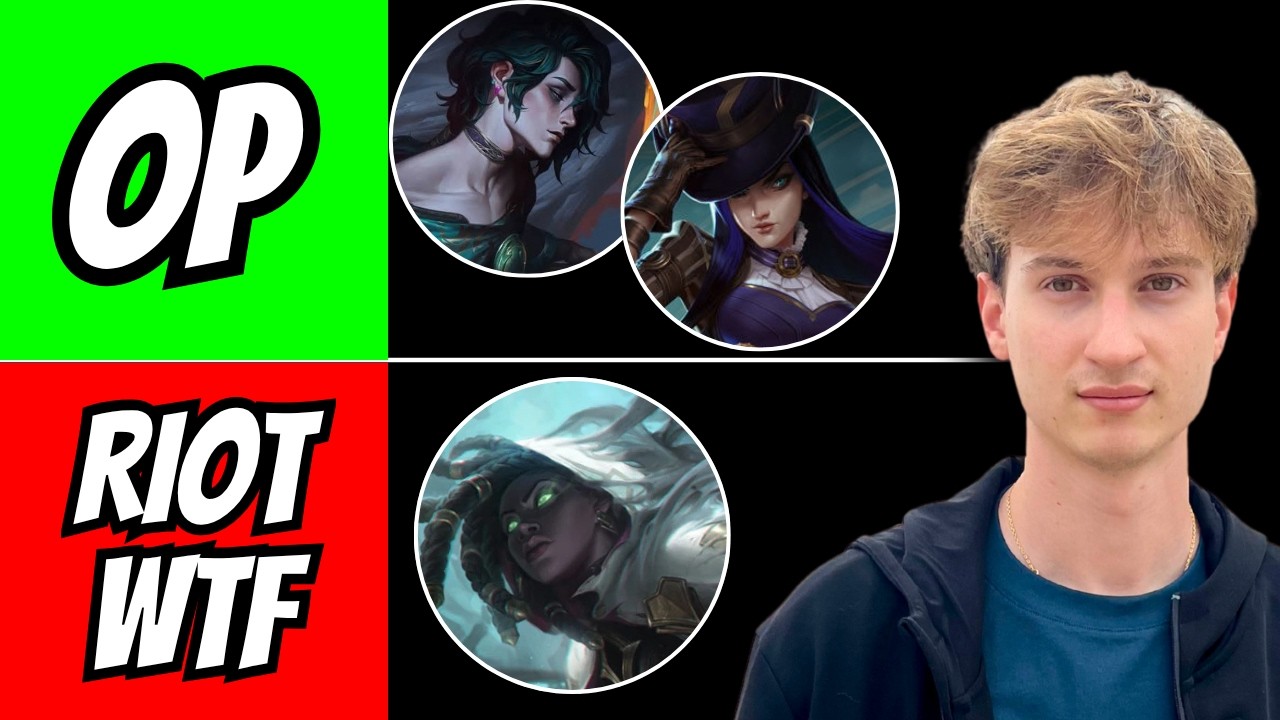
To climb ranked queues in Patch 7.3 of League of Legends: Wild Rift, draft high-mobility champions with reliable crowd control—such as Ahri and Yone—that can control early trades and scale into late-game fights. If top-tier picks are banned or picked by the opponent, transition immediately to a secondary roster of 2–3 versatile champions that fulfill your team's tactical needs.
Top-Tier Champion Selection
The Patch 7.3 meta heavily favors champions capable of dictating map pace through high mobility and direct initiation. Top-tier selections excel because they combine burst damage with defensive survival tools, allowing them to punish minor laning mistakes without sacrificing late-game threat potential.
- Ahri: Provides high burst damage, strong mobility during skirmishes, and reliable pick potential through crowd control.
- Yone: Offers high mobility, strong wave control, and team-fight disruption that scales effectively into late-game engagements.
When drafting as a solo player, prioritize champions that create map pressure independently rather than relying on team-wide coordination. Selecting a self-sufficient carry ensures you can secure trades and force objective opportunities even if your team falls behind in early gold.
Handling Draft Placement and Bans
S-tier picks are frequently banned or first-picked in ranked drafts. Preparing for pick phase limitations prevents draft failures:
- Establish a Secondary Pool: Master 2–3 alternative champions that cover similar roles so you are never forced onto an unfamiliar kit.
- Draft Early Flexibility: If forced to pick early in the draft phase, select balanced mid-tier picks or resilient tank/utility options to avoid being hard-countered by the enemy composition.
- Fill Team Utility: Select mid-tier tank or support champions when your team composition already has sufficient damage but lacks front-line protection or crowd control peel.
- Prioritize Comfort over Rank: A mastered B-tier champion with familiar mechanics generates better performance than an S-tier pick executed poorly.
Patch 7.3 Itemization Strategy
Adapting shop purchases to match draft match-ups is required to preserve power spikes in Patch 7.3. Adjust core item paths based on enemy defensive traits and damage threats:
| Item Category | Strategic Focus | Benefit |
|---|---|---|
| Core Damage | Armor Penetration | Neutralizes tanky front-liners faster |
| Utility | Ability Haste | Increases uptime of crucial crowd control |
| Defensive | Anti-Burst | Essential for squishy carries against assassins |
Inspect enemy items and composition during loading and match breaks. Build tenacity options when facing heavy crowd control, or add anti-burst items early when opposing assassins gain a gold lead.
Objective Control and Rotation Priorities
Securing victory in Patch 7.3 requires translating champion power into major map objectives:
- Prioritize Early Objectives: Focus map movements around the initial Dragon and Rift Herald spawns. Champions with fast solo speeds or quick rotation paths give your team immediate objective priority.
- Establish Vision Before Fights: Never contest major monster spawns without prior vision setup. Forcing blind engagements around objective pits risks clean wipeouts and loss of outer turrets.
- Trade Objectives When Behind: If your team lacks the positioning or item strength to fight for a Dragon, trade by taking turrets or counter-jungle resources on the opposite side of the map.

Free League of Legends: Wild Rift Codes
Current active codes and how to redeem them.

Emily Johnson
Emily writes practical mobile strategy guides with a focus on resource planning, base progression, and the early decisions that shape a long-term account.
COMMUNITY
Player Comments
102 players commented on this guide.
I wish I had read this before upgrading the wrong thing.
This helped me understand strategy much better.
I tried this today and it worked better than my old setup.
This saved me time in the early game.