
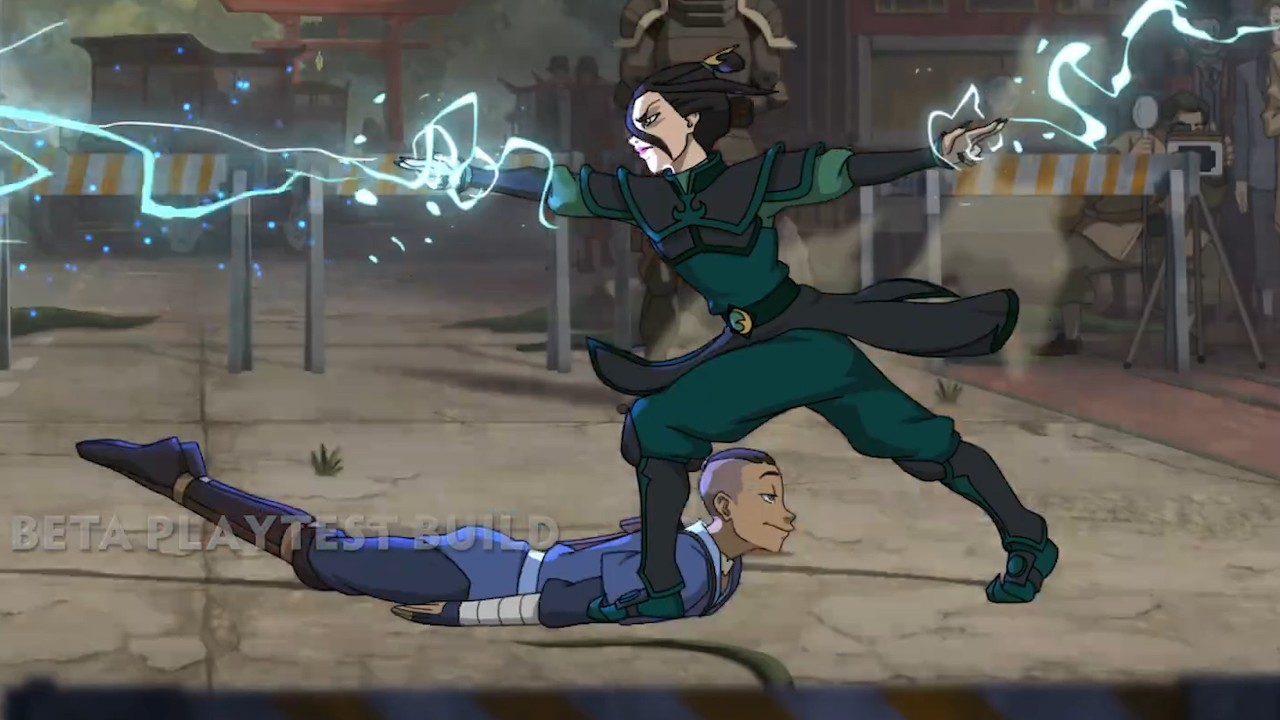
To excel as Sokka in Legend of Avatar, players must shift their focus from elemental bending to weapon-based melee pressure and tactical mobility. While Sokka lacks traditional elemental powers, he compensates through high-speed strikes and specific animation-canceling techniques known as "gamebending." Mastering these inputs allows you to maintain aggressive momentum, forcing opponents into defensive postures while you chain together sequences that keep them locked down, ultimately maximizing your damage output during competitive encounters.
Understanding Sokka’s Weapon-Based Melee Advantage
Sokka operates differently than the elemental benders in Legend of Avatar because his kit relies entirely on physical weaponry, specifically his signature boomerang and club. Unlike benders who may need to manage energy or elemental distance, Sokka thrives in mid-to-close range combat. His animations are designed for rapid, consecutive hits that can interrupt slower, heavier bending attacks. Players should prioritize closing the gap early, as his reach with the boomerang creates a dangerous zoning threat that benders often struggle to punish.
When playing Sokka, focus on his basic attack strings rather than trying to mimic the heavy area-of-effect damage of other characters. Because his attacks lack the long startup frames associated with elemental bending, he is an ideal choice for players who prefer a fast-paced, reactionary playstyle. Use the boomerang not just as a projectile, but as a setup tool to stagger opponents, allowing you to close the distance for a follow-up melee combo.
Executing Gamebending for Animation Canceling
The most critical mechanic for Sokka players is "gamebending," which allows you to cancel specific move animations. In practice, this means you can shorten the recovery period of an attack by triggering a follow-up move or a defensive input almost immediately after the hit connects. This effectively removes the "end lag" that usually leaves a character vulnerable, enabling you to maintain a relentless offensive cycle that is difficult for opponents to interrupt.
To perform this effectively, monitor the hit-stun duration of your target. As soon as your boomerang strikes, you should be inputting the next command in your sequence. By timing these cancels correctly, you can string together multiple strikes that would normally be impossible to chain. This technique is essential for higher-level play where opponents will attempt to counter-attack as soon as your primary animation ends; "gamebending" ensures they never get that window of opportunity.
Managing Combat Flow and Defensive Gaps
Despite his offensive capabilities, Sokka remains a glass cannon compared to more durable bending characters. Since he lacks elemental shields or defensive barriers, your defense must be movement-based. Utilize his high mobility to strafe around attacks rather than standing your ground. If you find yourself pinned, use the "gamebending" technique to cancel a recovery animation into a dash, allowing you to reset your positioning instantly.
Because Sokka relies on close-quarters pressure, he is susceptible to being caught by long-range elemental projectiles. When facing characters with heavy projectiles, prioritize a "weave and strike" approach. Wait for the opponent to exhaust their bending animation, then use your enhanced mobility to close the distance. Your goal is to keep the pressure high enough that the opponent is forced to spend their resources on defensive maneuvering rather than offensive setups.
Optimizing Sokka’s Skill Rotation
To maximize your efficiency with Sokka, you should memorize a reliable bread-and-butter rotation that utilizes his weapon kit. Start with a boomerang throw to initiate the stagger, followed by a quick dash-in to apply melee pressure. If the opponent attempts to escape, use a secondary quick-strike move to punish their movement. By consistently practicing these inputs, you can create a seamless flow of damage that keeps the target continuously off-balance.
Key Tactical Priorities for Sokka
- Prioritize Staggers: Always start your engagement with the boomerang to gain a frame advantage.
- Cancel Recoveries: Use the "gamebending" cancel after every heavy melee hit to remain safe from counter-attacks.
- Minimize Static Play: Never remain stationary for more than one attack sequence; use Sokka’s speed to reposition constantly.
- Monitor Stamina/Resource Bars: While Sokka doesn't use bending energy, keep an eye on your dash resource to ensure you always have an exit strategy if a combo fails.
Advanced Strategy: The "Boomerang Return" Tech
A secret to high-level Sokka play involves understanding the boomerang’s return trajectory. Many players throw the boomerang and forget it; however, experienced players know that the projectile has a hitbox on its return path. By positioning yourself so that the returning boomerang passes through the opponent, you can trigger a "double-stagger" effect. This is the perfect window to initiate a full gamebending combo. If you fail to utilize the return path, you lose roughly 30% of your potential burst damage in any given engagement.
Comparing Sokka to Elemental Archetypes
In Legend of Avatar, character roles are generally divided between benders (AOE and zoning) and non-benders (single-target pressure). Sokka acts as the premier "disruptor." While a Firebender might focus on overwhelming the screen with flame, Sokka wins by picking one target and refusing to let them breathe.
| Feature | Sokka (Melee/Weapon) | Typical Bender (Elemental) |
|---|---|---|
| Primary Goal | Single-target lockdown | Area denial / AOE |
| Defensive Style | Evasive / Dash-canceling | Barriers / Shielding |
| Skill Ceiling | High (Requires frame-perfect inputs) | Medium (Requires resource management) |
| Best Range | Mid-to-Close | Long-to-Mid |
Common Mistakes to Avoid
- Overcommitting to the Club: Many players default to the club for damage, but it has significant recovery frames. Use the club only when the opponent is already in a long state of hit-stun.
- Ignoring the Dash Reset: Failing to use the gamebending cancel on a missed boomerang throw is the fastest way to lose a match. Always have a "Plan B" dash mapped out.
- Static Zoning: Standing still while throwing the boomerang makes you a target for heavy benders. Always strafe while throwing to maintain a dynamic profile.
By focusing on these mechanical nuances, Sokka players can transform a character who lacks elemental power into one of the most unpredictable and dangerous fighters on the roster. The key is consistency in your inputs and a firm understanding of when to push the offense and when to reset your position using the gamebending cancel. As you master these rhythms, you will find that Sokka’s lack of bending is actually his greatest strength, as it forces the player to engage with the core mechanics of Legend of Avatar at a deeper, more rewarding level.

Free Legend of Avatar Codes
Current active codes and how to redeem them.

Emily Johnson
Emily writes practical mobile strategy guides with a focus on resource planning, base progression, and the early decisions that shape a long-term account.
COMMUNITY
Player Comments
150 players commented on this guide.
This guide answered the exact question I had.
The tips are practical and easy to follow.
Nice guide. I am checking the other Legend of Avatar articles next.
Good guide for Legend of Avatar players. The base building part was useful.