
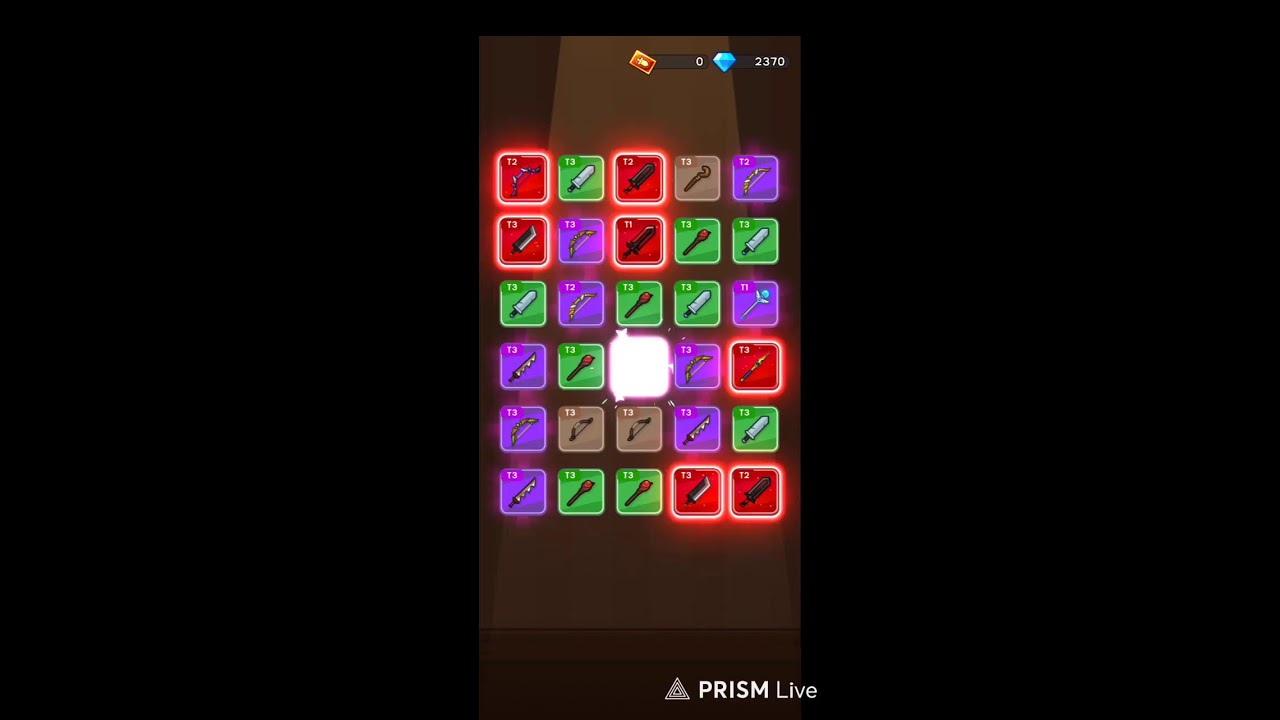
To succeed in Let's Go Legends!, you must prioritize team synergy and tactical timing over raw individual hero power. While it is tempting to focus solely on high-rarity characters, true mastery of this idle adventure RPG comes from understanding how your squad’s roles interact and when to deploy your most powerful abilities during the heat of combat. By aligning hero traits and managing rotations effectively, you can consistently defeat enemy squads that possess higher combat ratings than your own.
Understanding Hero Synergy and Role Balance
The foundation of a high-performing squad in Let's Go Legends! is the "Trinity" balance: a sturdy frontline to soak up damage, consistent backline damage dealers, and at least one support or utility hero to provide healing or crowd control.
Why Synergy Outperforms Raw Stats
Newer players often fall into the trap of over-investing in a single high-rarity hero. In Let's Go Legends!, however, a balanced team of complementary lower-tier heroes will almost always outperform a disjointed team of high-tier units.
- Trait Alignment: Always inspect the passive abilities of your heroes. Look for "Combo" triggers—for example, if Hero A applies a "Burn" or "Poison" debuff, Hero B should possess an active skill that deals bonus damage to enemies suffering from that specific status effect.
- The Utility Slot: Never underestimate the power of a hero who offers a shield or a cleanse. In later stages, enemies start applying persistent debuffs that can melt your frontline health bars in seconds. A support hero who can mitigate this damage is often more valuable than a third damage dealer.
Mastering Active Ability Timing
In Let's Go Legends!, the difference between a victory and a defeat during a manual encounter often comes down to your ability rotation. Spamming skills as soon as they come off cooldown is a common mistake that leaves your team vulnerable when it matters most.
The "Burst Window" Strategy
Save your primary damage-dealing AoE (Area of Effect) abilities for moments when the enemy is clustered together or during boss phases where they become stunned or vulnerable.
- Trash Mob Management: Use your AoE skills early to clear out "trash" mobs before they can reach your backline. This ensures your primary damage dealers stay at full health for the boss.
- Telegraphing Cues: Watch the enemy animation closely. When an enemy boss begins to glow or starts a long wind-up animation, hold your healing or damage-mitigation abilities. By waiting just two seconds to time your defensive skill with their heavy attack, you can effectively negate a massive chunk of incoming damage.
Managing Resource Allocation for Sustained Growth
Resource management is the backbone of your long-term progression in Let's Go Legends!. Spreading your gold and upgrade materials across your entire roster is a recipe for stagnation.
The "Core Five" Rule
Focus your progression strictly on a core group of five heroes. This ensures you have a reliable "A-Team" capable of clearing current content, which generates the idle rewards necessary to eventually raise secondary heroes for niche situations (like guild raids or elemental-specific dungeons).
- Avoid Minor Upgrades: Do not waste resources on marginal gear upgrades for secondary heroes. Save your gold and experience items to break through the level caps of your primary damage dealers and your main tank.
- The Power Spike Principle: A single hero pushed to a higher tier is significantly more impactful than five heroes stuck at a lower level. Higher tiers unlock new passive ability levels that can fundamentally change how a hero functions in combat.
Adapting to Boss Mechanics
Boss encounters in Let's Go Legends! require a shift from your standard campaign strategy. If you hit a wall, do not just throw your team at the boss repeatedly—take a moment to study the encounter.
The Observation Run
Spend one full attempt observing the boss without using any of your active skills. Identify:
- The Trigger Point: At what percentage of health does the boss summon reinforcements or cast their ultimate ability?
- The Pattern: Does the boss have a rhythm, such as every three basic attacks followed by a heavy slam?
- Counter-Play: If the boss summons reinforcements, hold your AoE skills specifically to burst down those adds the moment they appear.
If your team is consistently failing to survive, swap a DPS-heavy hero for a secondary tank or a utility hero with a "Shield" ability. While your total damage output per second (DPS) will drop, the increased survivability allows your team to outlast the boss’s enrage timer.
Strategic Limitations and When to Farm
It is vital to recognize that team synergy has its limits. If your squad is perfectly coordinated but still failing, you have likely reached a "gear-check" wall.
- The Gear-Check Threshold: When your team’s combat power is significantly lower than the recommended level for a stage, no amount of manual ability timing will secure a win. In these cases, stop pushing the campaign.
- Idle Farming: Return to previous stages that you can clear quickly to farm equipment upgrades. Let's Go Legends! is designed as an idle game; sometimes the most effective strategic move is to wait for your offline rewards to accumulate, providing the necessary materials for the next major power spike.
Expert Summary for Progression
To maximize your efficiency in Let's Go Legends!, remember these three pillars:
- Synergy > Rarity: Build teams around status effect combos and role balance.
- Patience > Spamming: Save your abilities for boss telegraphs and enemy clusters.
- Focus > Spread: Invest all your resources into a core five heroes to maintain the highest possible combat power for your stage level.
By applying these strategies, you will navigate the hardest levels of Let's Go Legends! with ease, ensuring your squad remains at the top of the leaderboards while effectively managing your long-term growth.

Free Let's Go Legends! Codes
Current active codes and how to redeem them.

Sarah Williams
Sarah specializes in RPG and collection games, explaining team building, character growth, and beginner-friendly ways to avoid expensive early mistakes.
COMMUNITY
Player Comments
155 players commented on this guide.
I wish I had read this before upgrading the wrong thing.
The tips are practical and easy to follow.
The explanation is clear, especially for beginners.
This guide answered the exact question I had.