
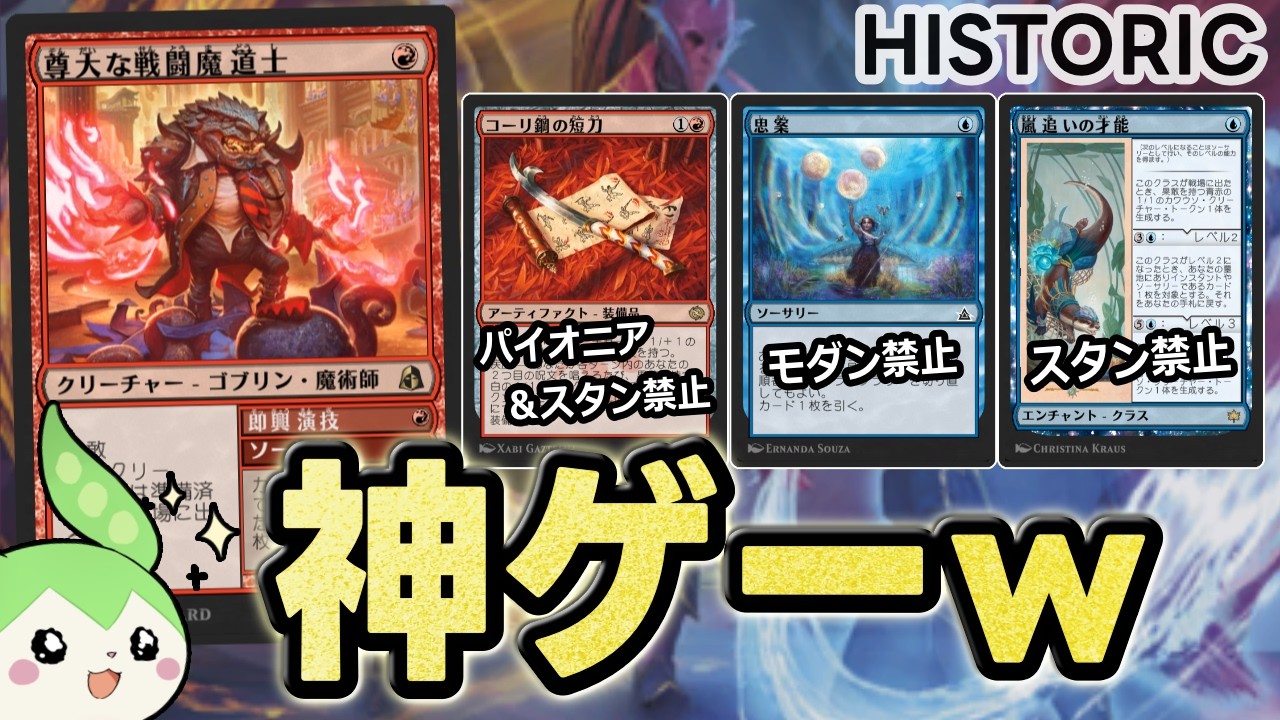
To pilot Izzet Prowess successfully in Historic, cast your low-cost cantrips during your precombat main phase to pump your attackers, use early burn spells to clear opposing blockers, and preserve open mana to protect key threats. The deck aims to close games before turn five by chaining one-mana noncreature spells into massive combat damage.
Turn-by-Turn Sequencing Plan
Izzet Prowess relies on spell velocity—casting multiple low-mana spells in a single turn—rather than holding resources for the opponent's end step. Sequence your opening turns to maximize damage before the opponent can set up a defense:
- Turn 1 (Deploy Threat): Play an untapped land and cast Monastery Swiftspear or Soul-Scar Mage. Attack immediately if the creature has haste.
- Turn 2 (Develop Board or Plot): Plot Slickshot Show-Off for future explosive value, or play a second one-drop creature while holding up mana for a one-mana cantrip or defensive response.
- Turn 3 (Burst Velocity): Cast your cheap cantrips, such as Sleight of Hand, Opt, or Consider, before moving to combat. Each spell triggers prowess across your active creatures, converting card draw into immediate power before blockers are declared.
- Postcombat: Refrain from spending excess mana on cantrips after combat. Keep untapped lands open to disguise your interaction and bluff defensive spells during the opponent's turn.
Creature Engine Priorities
Running a creature suite of 12 to 14 threats ensures you draw an early attacker without diluting the spell density needed to trigger prowess repeatedly.
- Monastery Swiftspear: Punishes opponents immediately with haste and baseline prowess.
- Soul-Scar Mage: Turns noncombat damage into -1/-1 counters, allowing low-damage burn spells to permanently weaken or destroy oversized blockers.
- Slickshot Show-Off: Offers an evasive flying threat with haste that gains +2/+0 per noncreature spell. Plotting it on turn two enables double-digit damage on turn three when paired with multiple cantrips.
- Symmetry Sage: Resets a creature's base power to three whenever an instant or sorcery resolves, providing significant burst potential out of low-power creatures.
Interactive Spells and Mana Protection
Burn spells should primarily function as tempo-positive removal rather than direct player damage. Casting Play with Fire, Lightning Bolt, or Unholy Heat to remove an early blocker clears a path for your creatures while simultaneously granting prowess triggers for unblocked damage. Only target the opponent directly with burn if you have calculated lethal damage across the current and upcoming turn.
Protection spells require disciplined mana management:
- Spell Pierce: Shields your board from fatal removal spells like Fatal Push and Lightning Helix, or three-mana sweepers.
- Floating Interaction: In interactive matchups, leave one blue mana open instead of casting an extra cantrip. Giving up one or two points of prowess damage is worthwhile if it prevents your opponent from removing your primary threat.
- Card Advantage: Use Expressive Iteration when your initial assault stalls. It finds land drops, puts an interactive card into your hand, and exiles a spell to cast immediately for an extra prowess trigger.
Matchup Approaches
Adjust your aggression and resource commitment depending on the opposing deck's primary speed and interaction level.
| Opposing Archetype | Primary Game Plan | Critical Interaction | Key Trade-Off |
|---|---|---|---|
| Aggro Mirrors | Clear opposing threats with burn before racing. | Unholy Heat, Play with Fire | Preserving your life total versus pushing turn-three race damage. |
| Control & Midrange | Limit board presence to two threats to respect sweepers like Divine Purge or Supreme Verdict. | Spell Pierce, Expressive Iteration | Committing enough pressure to maintain a clock without overextending. |
| Linear Combo | Maximize damage velocity to finish the game by turn four. | Spell Pierce, Soul-Scar Mage | Tapping out for maximum prowess damage versus holding disruption. |
Arena Piloting Tips
Executing rapid spell chains in the digital client requires precise input handling to avoid missed triggers or wasted mana:
- Enable Full Control or Manual Stops: When chaining multiple cantrips and magecraft triggers, use Full Control (or set stops on your precombat main phase and combat step) to ensure triggers resolve in the exact order you need before advancing phases.
- Manage Shockland Damage: Preserve your life total against aggro decks by playing Spirebluff Canal across your first three turns before it enters tapped. Use Riverglide Pathway and Steam Vents carefully, opting to fetch basic lands when facing aggressive damage races.

Free Magic: The Gathering Arena Codes
Current active codes and how to redeem them.

Sarah Williams
Sarah specializes in RPG and collection games, explaining team building, character growth, and beginner-friendly ways to avoid expensive early mistakes.
COMMUNITY
Player Comments
117 players commented on this guide.
The explanation is clear, especially for beginners.
This saved me time in the early game.
This guide answered the exact question I had.
I tried this today and it worked better than my old setup.