
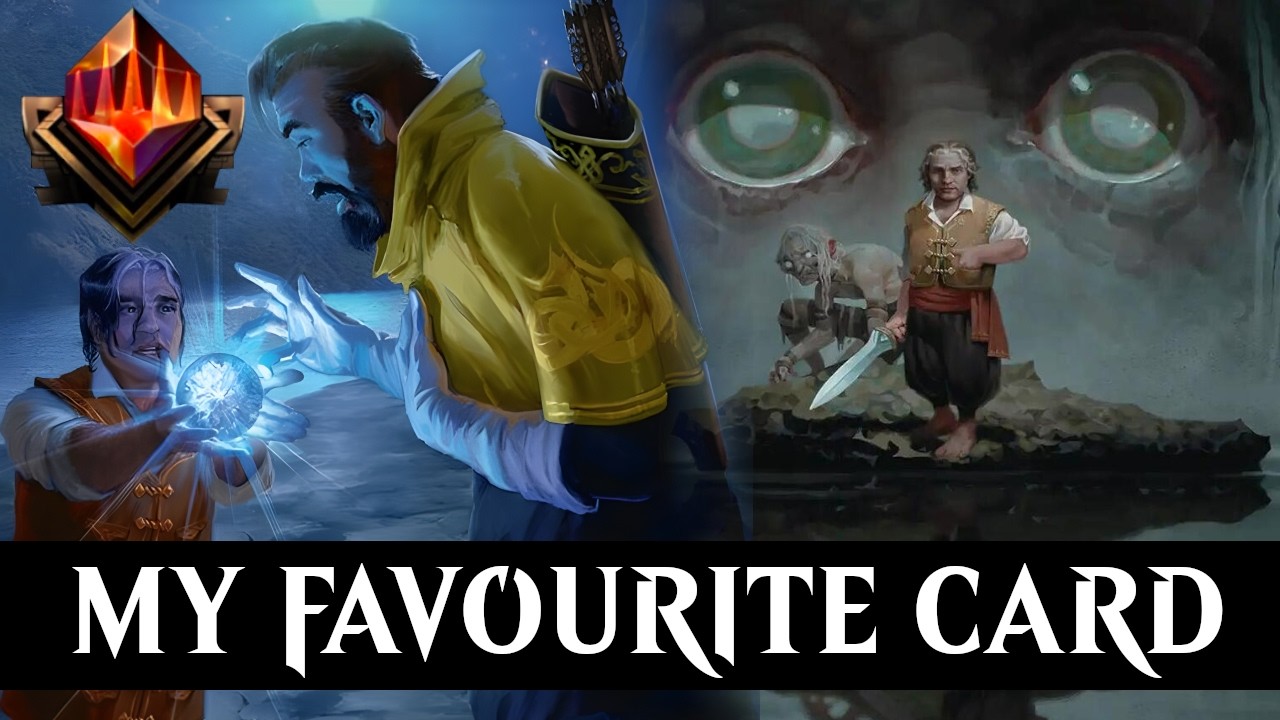
In the evolving Standard meta of Magic: The Gathering Arena, the Hobbit Riddle Control archetype has emerged as a sophisticated, high-skill-ceiling strategy. Unlike traditional "draw-go" control decks that rely solely on counterspells, this build utilizes "forced choice" or "riddle" mechanics—cards that present the opponent with two undesirable options. By mathematically forcing your opponent into suboptimal decisions, you strip them of their agency, turning their own turns into resources for your control engine.
This guide explores how to leverage these mechanics, manage board states, and optimize your decision-making to dismantle even the most aggressive opponents in Magic: The Gathering Arena.
---
Understanding the "Riddle" Mechanic
At the heart of the Hobbit Riddle deck are cards that create binary dilemmas. In Magic: The Gathering Arena, when an opponent is presented with a choice, they will almost always select the option they perceive as the "lesser evil." The goal of this deck is to ensure that both options are catastrophic for their long-term board state.
The Psychology of Choice
To master this deck, you must transition from thinking about your cards in a vacuum to thinking about them in the context of the opponent's current resources:
- The Resource Trap: Present choices when the opponent is mana-screwed or low on cards. A choice that forces them to discard a land or take damage is devastating when they need that land to develop their board.
- The Tempo Tax: Use riddles to delay critical threats. If an opponent has one large creature, forcing a choice between sacrificing a permanent or paying life creates a "tempo tax" that prevents them from developing further threats.
- The Information Advantage: By watching how your opponent chooses, you learn about their hand composition. If they repeatedly choose to sacrifice tokens over discarding cards, you know they are holding high-value spells they are desperate to keep.
---
Building the Engine: Essential Synergy
A successful Hobbit Riddle build isn’t just about the "riddle" cards; it’s about the supporting infrastructure that makes those choices punishing.
Forced Sacrifice Engines
These are your primary tools against "Go-Wide" aggro decks. When an opponent has multiple small creatures, cards that force a sacrifice become "soft" board wipes. By clearing the board of low-impact creatures early, you prevent the opponent from reaching a critical mass where they can overwhelm your life total.
Resource Denial and Discard
The power of this archetype peaks when the opponent is forced to sacrifice card advantage. If your opponent has a full hand, a forced discard can strip away their win condition. Always prioritize casting your discard-based riddles before your board-control riddles to ensure the opponent doesn't have the luxury of discarding "dead" cards.
The Stall Tactics
Your late-game is secured by board resets and high-toughness blockers. These cards allow you to stabilize when the pressure becomes too high, forcing the opponent to commit more resources to the board than they are comfortable with, effectively walking them into your next set of riddles.
---
Managing the Board State in Competitive Play
Magic: The Gathering Arena rewards proactive resource management. As a control player, your objective is not to win the race, but to survive until the opponent runs out of steam.
- Early Game (Turns 1–3): Focus entirely on survival. Use low-cost removal to pick off key engine pieces. Do not worry about life total; worry about board presence.
- Mid-Game (Turns 4–6): Begin deploying your riddle cards. Wait for the opponent to tap out. If you cast a riddle while they have open mana for a counterspell, you lose your tempo advantage.
- Late Game (Turns 7+): At this stage, your opponent should be top-decking. Use your remaining removal to clear any final threats while you deploy your win conditions.
---
Strategic Mulligan Tips
Your opening hand determines your viability against the current fast-paced Standard meta. Never keep a hand that relies on drawing into an answer.
- The "Must-Have" Checklist: A perfect opening hand contains at least one piece of cheap removal (1–2 mana), one card-draw or selection spell, and three lands.
- When to Mulligan: If your hand is full of high-cost finishers but lacks early interaction, you must mulligan. A control deck that dies by turn four cannot reach its late-game potential.
- The Aggro Check: If you are on the draw against an unknown opponent, prioritize hands that can interact immediately. The "Riddle" cards are often too slow for the first two turns of a match.
---
Limitations and Counters
No archetype is invincible. Understanding where the Hobbit Riddle deck falters is key to improving your win rate.
- Go-Wide Aggro: Decks that create tokens or cheap creatures can often provide enough fodder to "feed" your sacrifice riddles without losing their key threats. In these matchups, save your board wipes for when they have committed two or more creatures to the board.
- High-Skill Opponents: Experienced players will anticipate the "riddles." They may play around your forced choices by holding back creatures or sacrificing low-value permanents. In these scenarios, stop playing for the "riddle" and start playing for value. Use your cards as standard removal rather than waiting for the "perfect" choice.
- Counterspell Heavy Decks: Control decks with better counter-magic can shut down your engines before they start. Against these decks, you must wait to resolve your riddles until you have the mana to protect them or until you have forced the opponent to tap out on their own turns.
---
Conclusion
The Hobbit Riddle Control deck in Magic: The Gathering Arena is a masterclass in psychological pressure. By forcing your opponent to make binary choices, you dictate the pace of the match and exhaust their resources until they have no choice but to concede.
Focus on the math: calculate the board state, identify the threat, and present the choice that minimizes your opponent’s ability to recover. With practice, you will find that the most powerful card in your deck isn't a creature or a spell—it's the frustration of your opponent as they realize every decision they make only brings them closer to defeat.

Free Magic: The Gathering Arena Codes
Current active codes and how to redeem them.

Sarah Williams
Sarah specializes in RPG and collection games, explaining team building, character growth, and beginner-friendly ways to avoid expensive early mistakes.
COMMUNITY
Player Comments
108 players commented on this guide.
The tips are practical and easy to follow.
This guide answered the exact question I had.
I tried this today and it worked better than my old setup.
The explanation is clear, especially for beginners.