
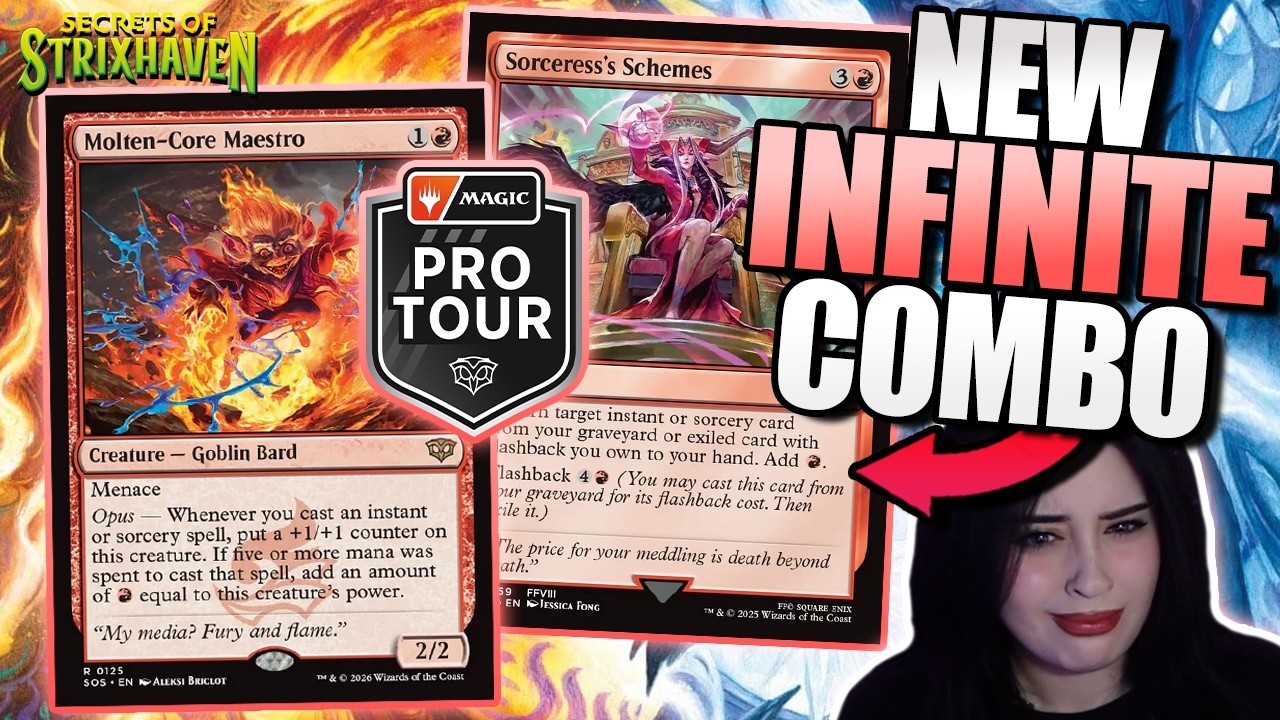
In the high-stakes world of Magic: The Gathering Arena, few strategies have commanded as much respect as the Izzet Tempo-Combo deck popularized by Team Sanctum during the Strixhaven era. This deck is a masterclass in "cheating" the mana system, using the legendary dragon Velomachus Lorehold to cast game-ending spells for free.
To pilot this deck successfully, you must stop thinking of it as a traditional control or aggro list. Instead, view it as a high-velocity engine that uses early-game interaction to buy time for a singular, explosive turn that dictates the rest of the game.
The Core Mechanic: Understanding Velomachus Lorehold
The engine of this deck is Velomachus Lorehold. Its triggered ability—"Whenever Velomachus Lorehold attacks, look at the top seven cards of your library. You may cast an instant or sorcery spell with mana value less than or equal to Velomachus’s power from among them without paying its mana cost"—is your primary win condition.
Because Velomachus has 5 power, you have a massive window to cast high-impact spells for zero mana. The secret to piloting this effectively is density. If your deck contains too many creatures or artifacts, your "hit" rate on the top seven cards drops significantly. You are essentially playing a deck where your combat phase functions as a card advantage engine, replacing the need to draw into your finishers manually.
Mastering Early-Game Sequencing
You cannot simply rush to cast your dragon; if you don't survive the first four turns, the combo becomes irrelevant. The Izzet color identity provides the best tools in Magic: The Gathering Arena for early-game stabilization:
- Cantrips: Use spells like Opt or Consider to cycle through your deck. Your goal is to find your lands and your payoff cards simultaneously.
- Efficient Removal: Spells like Frost Bite or Abrade are vital. Use them to pick off early threats from Aggro decks so that your life total remains high enough to survive one or two swings from an opponent’s board.
- Mana Ramp/Fixing: If you are splashing colors for the combo, ensure your mana base is consistent. Missing a land drop on turn three is often a death sentence for this archetype.
The Strategy of Free Casting
When you attack with Velomachus, the "best" card isn't always the one that deals the most damage. You must make split-second decisions based on the board state:
- When Behind: Look for board wipes or mass removal spells. Even if you don't have the mana to cast them, hitting them off the top of your deck can stabilize a losing position instantly.
- When Ahead: Look for extra turn spells or card draw. By casting an extra turn spell for free, you effectively grant yourself a second combat step with Velomachus, allowing you to trigger the ability again and compound your advantage.
- The "Miss" Factor: Always keep in mind that you are looking at seven cards. Statistically, you should hit a target, but if you don't, you must have a secondary plan—usually in the form of direct burn spells—to finish the opponent off.
Deck-Building Considerations: Quality Over Quantity
The most common mistake players make when building this deck in Magic: The Gathering Arena is "cluttering" the list. Because you want to maximize the effectiveness of the Velomachus trigger, your deck should lean heavily into instants and sorceries.
| Category | Role | Example Targets |
|---|---|---|
| Enablers | Card draw/Filtering | Opt, Solve the Equation |
| Interaction | Removal/Countermagic | Expressive Iteration, Negate |
| Payoffs | High-mana finishers | Extra turn spells, large burn |
Avoid over-committing to permanents. If your board is full of creatures, you are likely diluting the power of your dragon’s attack. Every non-instant/sorcery card you add must provide extreme value, such as a Planeswalker that generates card advantage or a utility land that helps you filter your draws.
Handling Meta-Game Variance
The Magic: The Gathering Arena meta is reactive. If your opponents realize you are playing a Velomachus deck, they will save their removal spells specifically for the dragon. To counter this, you must:
- Play Around Counterspells: Do not tap out for Velomachus if you suspect your opponent is holding a counterspell. Wait until you have enough mana to hold up a protective spell of your own, or force them to tap out by playing a secondary threat.
- Diversify Win Conditions: If Velomachus is exiled, you need a backup. Ensure your list includes a few "burn out" spells—direct damage spells that can be cast from your hand to take the last few points of life if the dragon engine fails.
- Sideboarding: In Best-of-Three matches, prioritize cards that protect your dragon (like hexproof or indestructible effects) or cards that punish opponents for holding back (like mass discard or tax effects).
Expert Tips for Competitive Success
- Don't Rush the Dragon: Many players lose because they play Velomachus on turn five into an open board with enemy mana up. Unless you have a way to protect it or force it through, waiting until turn six or seven to play it with backup is often the safer, winning play.
- Track Your Library: Use the information gained from your scry effects and "look at the top X cards" effects to predict what you might hit with Velomachus. If you know a massive spell is in the top five, you know it is safe to attack.
- Manage Your Hand: This deck can suffer from "dead draws" where you have a hand full of high-mana spells you can't cast. Use your cantrips aggressively in the early game to filter these out of your hand and back into your deck, where they become targets for the Velomachus trigger.
Mastering this deck requires a deep understanding of probability and resource management. By treating every turn as a setup phase for your inevitable dragon-fueled swing, you force your opponents to play on your terms. Stick to the core interaction, protect your threats, and you will find that few decks in Magic: The Gathering Arena can withstand the tempo generated by this elite Izzet build.

Free Magic: The Gathering Arena Codes
Current active codes and how to redeem them.

Sarah Williams
Sarah specializes in RPG and collection games, explaining team building, character growth, and beginner-friendly ways to avoid expensive early mistakes.
COMMUNITY
Player Comments
26 players commented on this guide.
The explanation is clear, especially for beginners.
This helped me understand strategy much better.
The tips are practical and easy to follow.
Nice guide. I am checking the other Magic: The Gathering Arena articles next.