
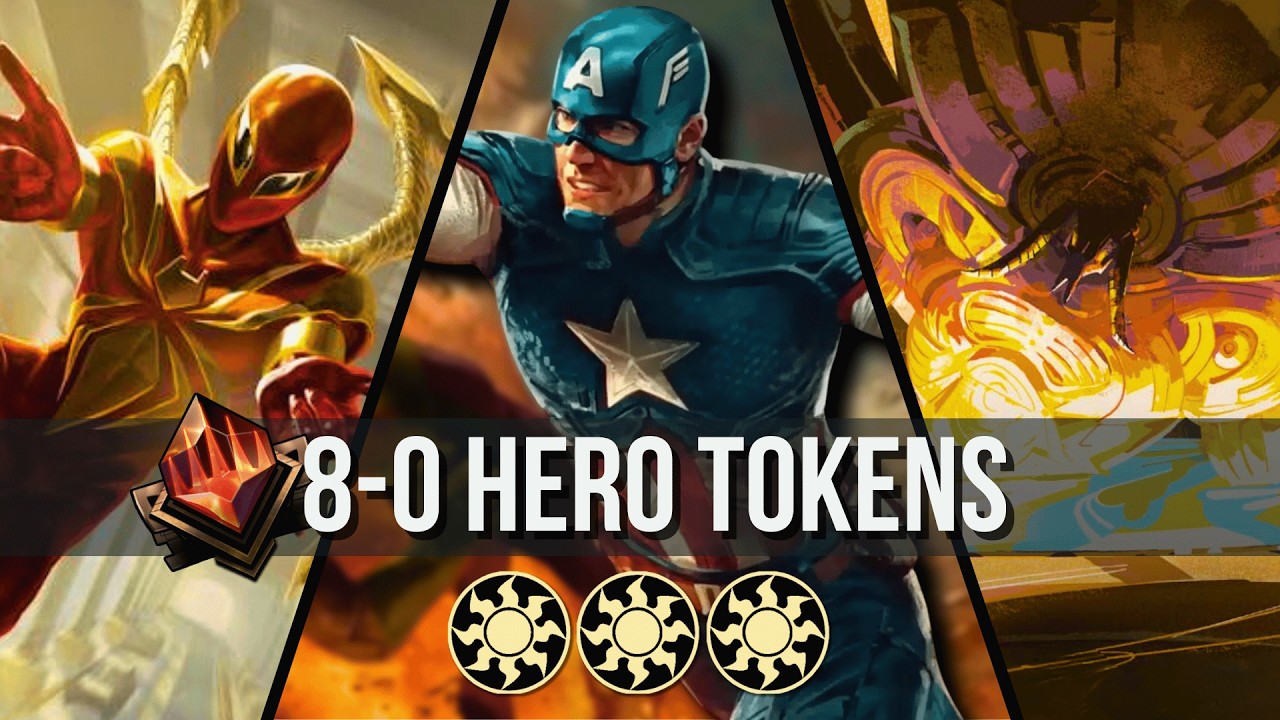
To reach Mythic rank with Mono-White Heroes in Magic: The Gathering Arena, you must prioritize aggressive board development followed by the calculated protection of your key threats. This deck relies on the "Hero" mechanic—creatures that gain power, toughness, or additional benefits when you cast non-creature spells. By maintaining a low mana curve and keeping specific reactive spells in hand, you can consistently bypass removal-heavy control decks and outpace slower midrange strategies in the current Standard meta.
The Core Mechanic: Scaling and Tempo
The Mono-White Heroes archetype thrives on the "Heroic" style of play: casting cheap, efficient spells that serve two purposes—buffing your board and hindering the opponent. Because your creatures scale with every non-creature spell, the goal is to cast as many spells as possible per turn.
Every card in your deck should contribute to your "clock." A clock is the number of turns it takes for your current board state to reduce the opponent's life total to zero. When you cast a pump spell or a protective instant, you aren't just saving a creature; you are increasing your clock, forcing the opponent to find an immediate answer or lose the game.
Maximizing Board Presence
The biggest mistake new players make with this deck is "flooding the board." In Magic: The Gathering Arena, it is tempting to cast every creature in your hand, but this leaves you vulnerable to board wipes like Sunfall or Temporary Lockdown.
- The Two-Threat Rule: Against control-heavy decks, aim to have exactly two high-value threats on the board. This is enough pressure to force the opponent to act, but leaves you with resources in your hand to rebuild if they sweep the board.
- Sequencing: Always play your non-Hero creatures first. Force the opponent to expend their removal on your utility creatures before you commit your core "Hero" threats to the board.
- The End-Step Play: If you are not under immediate pressure, hold your non-creature spells for your opponent's end step. This keeps your mana open for protection spells during their turn and allows you to capitalize on information gained from their moves.
Protecting Your Threats: The Art of the Interaction
Your deck’s success depends entirely on your ability to keep your primary threats alive. Protection spells like Surge of Salvation or Skrelv, Defector Mite are the backbone of your strategy.
When to protect:
- Spot Removal: If the opponent targets your primary threat with a destroy effect, use your protection spell immediately.
- Combat Tricks: Use protection spells during combat to save a creature and win a trade. This creates a "tempo swing"—you keep your creature, their creature dies, and they have wasted their mana for the turn.
- Board Wipes: Save your hexproof or indestructible effects for the exact moment the opponent casts a sweeper.
Expert Insight: Do not be afraid to let a secondary creature die if it means saving your primary win condition. Prioritize the creature that is currently scaling or providing the most value to the board.
Navigating the Mid-Game against Control
Control decks are the natural enemy of aggressive decks. To beat them, you must shift your mindset from "playing creatures" to "playing spells."
Control players win by making the game last long enough to play their high-mana finishers. Your objective is to make the game end by turn five or six. Focus on:
- Mana Efficiency: Never pass a turn with unspent mana if you can use it to buff a creature or add to your board.
- Forcing the Action: If you have a creature that can be buffed to a state where it survives most damage-based removal (e.g., 4+ toughness), do it as soon as possible. This forces the control player to use their more expensive, inefficient "exile" spells.
- Patience: If you know the opponent has a sweeper, hold back your creatures. Use the "Hero" triggers on the creatures you already have to push damage, rather than overcommitting to the board.
Optimizing Your Mana Curve
In Magic: The Gathering Arena, your mana curve is your engine. This deck functions best when you can play a threat on turn one, a follow-up on turn two, and hold a protection spell on turn three.
| Card Type | Role | Strategy |
|---|---|---|
| 1-Drop Creatures | Early Pressure | Mulligan if you don't have these. |
| Protection Spells | Resource Denial | Hold for the opponent's "big" turns. |
| 2/3-Drop Heroes | Scaling Threats | The primary win conditions. |
| Utility Spells | Tempo/Draw | Used to keep the hand full or clear blockers. |
If you find yourself flooding on lands, prioritize using your utility spells to dig through your library. A Mono-White Heroes deck that runs out of cards is a deck that has lost its way. Every card in your hand is a potential trigger for your heroes, so keeping your hand count healthy is just as important as keeping your life total high.
Common Mistakes to Avoid
- Over-committing: Playing your entire hand into a potential board wipe is the fastest way to lose.
- Panic Protection: Using a protection spell too early because you are afraid of a potential removal spell. Wait until the opponent casts the spell or attacks.
- Ignoring the Clock: Forgetting that your creatures grow. Always calculate the potential damage of your creatures after your spells resolve; you may have lethal damage on board that you didn't see.
Conclusion: Consistency is Key
Reaching Mythic with Mono-White Heroes in Magic: The Gathering Arena requires a balance between aggression and defensive awareness. By treating your protective spells as offensive tools that enable your "Hero" creatures to grow, you create an environment where the opponent is constantly struggling to keep up with your tempo. Master your sequencing, respect the board wipe, and keep your mana curve tight, and you will find your way to the top of the ladder.

Free Magic: The Gathering Arena Codes
Current active codes and how to redeem them.

Emily Johnson
Emily writes practical mobile strategy guides with a focus on resource planning, base progression, and the early decisions that shape a long-term account.
COMMUNITY
Player Comments
99 players commented on this guide.
This saved me time in the early game.
Nice guide. I am checking the other Magic: The Gathering Arena articles next.
I wish I had read this before upgrading the wrong thing.
The tips are practical and easy to follow.