
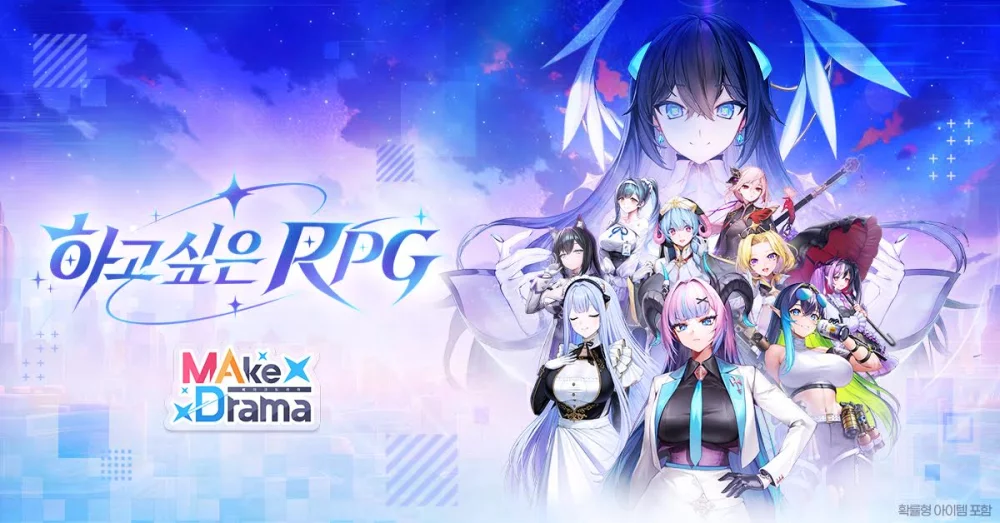
In MAke Drama : MAD, the sudden "vanishing" of core characters is rarely a spontaneous event. Instead, these narrative departures are the culmination of long-term misalignment between individual creative trajectories and the collective identity of your roster. Players who fail to monitor their team’s internal dynamics often find their production momentum derailed by the loss of key talent. By understanding the mechanical warning signs of burnout and implementing a strategy for team rotation, you can ensure that your production remains resilient, even when your most iconic heroes decide to move on.
Identifying the Signs of Narrative Burnout
The most significant indicator of an impending roster shift in MAke Drama : MAD is a measurable decline in collaborative synergy, often masked by high production volume. When your crew pivots from authentic creative exploration to repetitive content cycles, the internal "creative pressure" gauge rises.
Watch for these specific behavioral markers:
- Tone Shifts: A sudden departure from established character archetypes or a noticeable decrease in ensemble-based scene frequency.
- Engagement Decay: When high-affinity characters begin pursuing solo side-quests or narrative arcs that exclude the rest of the core unit.
- Communication Stagnation: A lack of dialogue-based interaction in group settings, signaling that the characters have reached the limit of their established relationship dynamics.
When you notice these shifts, you are witnessing the professional fatigue that precedes a departure. Addressing these early through "re-alignment" sessions—or by intentionally diversifying your roster to avoid over-reliance on a single, aging core—is essential for long-term narrative survival.
The Impact of Rapid Success on Roster Longevity
In MAke Drama : MAD, rapid success often acts as a catalyst for internal conflict. As your team hits significant milestones and gains popularity, the pressure to maintain a specific "brand" can become suffocating for individual heroines. Characters who were once perfectly aligned with the original vision may find that the rigid requirements of your current production style clash with their evolving narrative goals.
When the group identity becomes too static, individual members often prioritize their personal autonomy over the team's collective objective. This creates a strategic trade-off: you either sacrifice the brand's consistency to accommodate individual growth or face the inevitable exodus of members who feel trapped by the group's narrative constraints. Recognizing this tension is vital for players who wish to navigate the transition without a total loss of public rapport or production efficiency.
Managing the Vacuum After a Departure
When a core member exits, the immediate priority is stabilizing the narrative flow and communicating the transition to your audience. The "vanishing" of a member creates an information void that, if left unfilled, invites speculation and damages the reputation of the remaining crew.
To effectively navigate this, follow these three steps:
- Immediate Narrative Pivot: Quickly shift the focus toward remaining members to demonstrate continuity. Do not leave "empty" scenes; fill them immediately with secondary character development.
- Transparent Communication: Acknowledge the change in the game’s meta-narrative without over-disclosing sensitive internal "drama." Over-explanation often leads to unnecessary friction.
- Resource Redistribution: Reallocate the time and production resources previously dedicated to the departed member to boost the visibility of underutilized secondary characters, turning the exit into a growth opportunity for your bench players.
Assessing the Risks of "OG" Roster Dependency
A major strategic error in MAke Drama : MAD is relying solely on the "OG" (original) crew to sustain long-term engagement. While these characters provide foundational emotional investment, they also represent a singular point of failure. If the entire team structure is built upon the chemistry of specific, long-standing members, a single departure can trigger a chain reaction, causing the entire project to lose its core appeal.
Why Roster Diversification Matters:
- Resilience: A deep roster ensures that no single character's departure can halt your progression.
- Adaptability: Having secondary characters ready to step into lead roles allows the narrative to evolve naturally rather than forcing a "replacement" character into a role they aren't suited for.
- Audience Engagement: Rotating guest characters keeps the "vibe" fresh and prevents the narrative from becoming stale or predictable.
To mitigate risk, invest in secondary storylines that operate independently of your main unit. By building depth across your entire roster, you ensure that the narrative remains resilient even when a primary member decides to exit.
Strategic Pivot: Sustaining Momentum Post-Departure
The final phase of managing a departure is integrating new talent while maintaining the core values that drew your audience in the first place. When the original crew vanishes, your narrative must evolve to fill the gap. This is not just a recovery phase; it is an opportunity to revitalize the tone of your production.
Use this transition to introduce fresh dynamics that were previously impossible with the established, static cast. Remember that audience loyalty is often tied to the "vibe" of the production rather than the specific individuals involved. By prioritizing the evolution of your content style over the preservation of an outdated team structure, you can survive the loss of your original stars and continue to thrive in the competitive landscape of MAke Drama : MAD. Keep your focus on the quality of the narrative output to ensure the longevity of your project and the sustained interest of your players.
Free MAke Drama : MAD Codes
Current active codes and how to redeem them.

Emily Johnson
Emily writes practical mobile strategy guides with a focus on resource planning, base progression, and the early decisions that shape a long-term account.
COMMUNITY
Player Comments
69 players commented on this guide.
Can you add more details about heroes in a future update?
I wish I had read this before upgrading the wrong thing.
Good guide for MAke Drama : MAD players. The heroes part was useful.
I tried this today and it worked better than my old setup.